


Thalamus Biomarker: Herbal Calm Paths
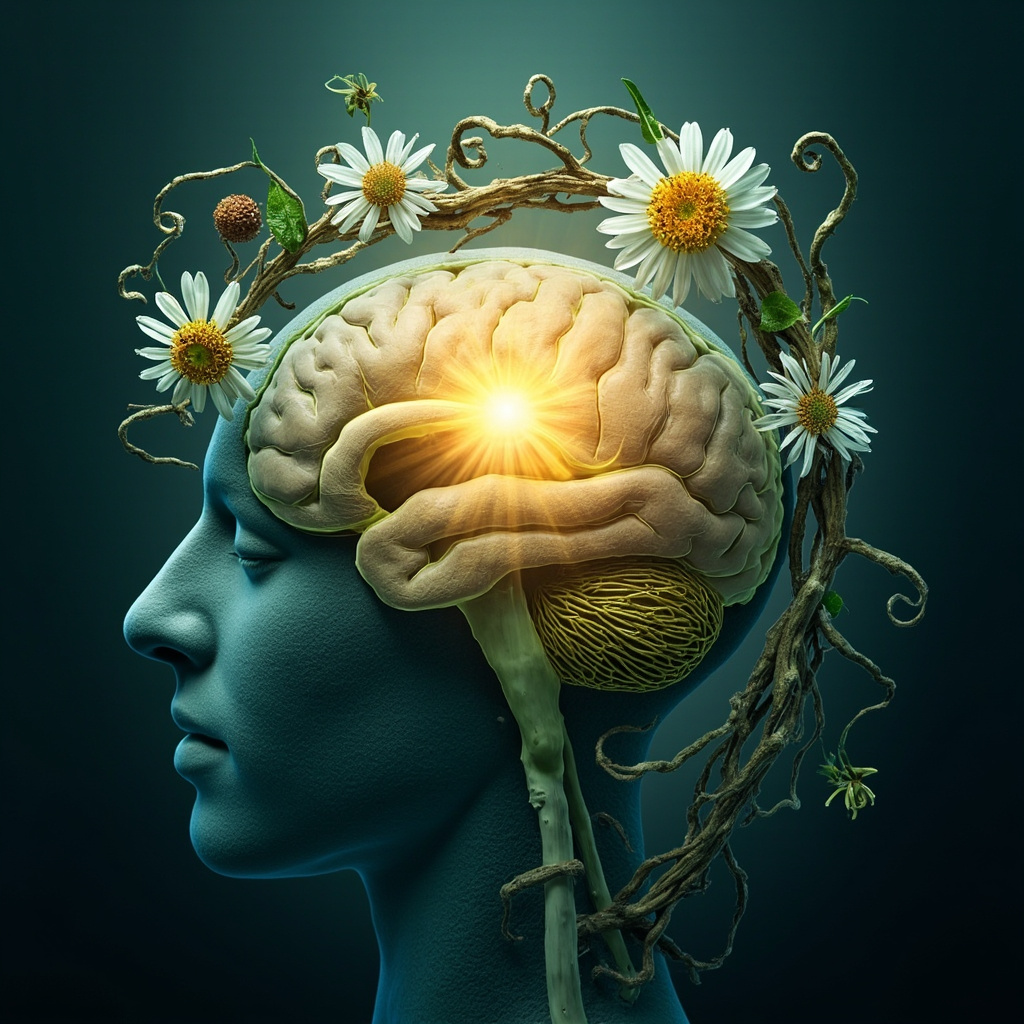
The Thalamus: Your Brain's Sensory Gateway
Nestled deep in the brain, right above the brainstem, the thalamus works like a central hub. It receives signals from your senses-touch, sight, sound, taste, and smell-and directs them to the areas that make sense of them. This relay keeps you alert, helps you sleep, and coordinates smooth movements. When balanced, it ensures clear awareness and steady responses to the world around you.
In BioCoherence assessments, the thalamus biomarker highlights its energy levels, activity, and connections. This gives insight into how well it's handling daily inputs. For more details, see the thalamus glossary.
Signs of Thalamus Imbalance
If the thalamus struggles, everyday life can feel off-kilter. Common issues include:
- Sensory overload: Feeling bombarded by lights, noises, or textures.
- Sleep troubles: Difficulty falling asleep or staying rested.
- Movement glitches: Tremors or poor coordination.
- Chronic pain: Known as thalamic pain syndrome, where pain persists without clear cause.
These signs often tie to broader strain, like ongoing stress or unresolved past events.
Emotions and the Thalamus
The thalamus doesn't just pass along physical sensations; it filters emotions too. It helps process feelings tied to experiences, keeping your inner world steady. When disrupted:
- You might feel overwhelmed by emotions or senses.
- Experiences feel hard to sort through, leading to confusion.
- A sense of disconnection from people or surroundings sets in.
Emotional stress, trauma, or intense life events can throw it off. Recent studies show the thalamus links chronic stress to heightened pain sensitivity, affecting both body and mind. Supporting it here promotes emotional flow and resilience.
Thalamus as a Resource
A strong thalamus shines as a helper. It:
- Prioritizes key signals for focused action.
- Boosts alertness without overload.
- Links brain areas for emotional balance.
- Aids quick, fitting replies to life's changes.
Calling on it builds calm awareness and grounded responses.
Herbal Paths to Thalamus Harmony
As a herbalist, I draw from biomarkers like the thalamus to suggest plant allies. These gentle remedies ease stress, soothe nerves, and foster balance. Here's how key herbs help:
For Stress and Overload
- Ashwagandha: An adaptogen that lowers cortisol, the stress hormone. It calms the nervous system, helping the thalamus filter inputs better. Take as tea or capsules daily.
- Holy Basil (Tulsi): Balances emotions and boosts clarity. Its antioxidants protect brain cells, easing overwhelm.
For Sleep and Alertness
- Valerian root: Relaxes the mind for deeper rest. It supports GABA, a calming brain chemical, aiding thalamus-regulated sleep.
- Passionflower: Quiets racing thoughts, promoting alert yet peaceful days.
For Pain and Inflammation
- Turmeric: With curcumin, it fights inflammation that strains the thalamus. Pair with black pepper for better uptake.
- Ginger: Warms and soothes, reducing pain signals at the source.
For Emotional Flow
- Chamomile: A soft nerve tonic, perfect for disconnection feelings. Its flavonoids calm emotional relays.
- Lemon Balm: Uplifts mood and sharpens focus, bridging senses and heart.
Start with one or two herbs, brewed as teas. For example, blend ashwagandha and chamomile for evening calm. Monitor how you feel-less tension, better rest-and adjust. Always check with a practitioner for personal fit, especially with meds.
Building a Routine
Combine herbs with simple habits:
- Breathe deeply: Slow breaths reset sensory gates.
- Limit stimuli: Quiet spaces recharge the hub.
- Move gently: Walks sync body signals.
- Reflect: Journal to process emotions.
Over time, these nurture the thalamus, enhancing vitality and peace. Biomarkers guide precise choices, turning insights into real relief.
Recent research underscores the thalamus's role in stress-pain links, validating these natural approaches for holistic care.
- 1. verywellmind.com
- 2. frontiersin.org
- 3. pmc.ncbi.nlm.nih.gov
- 4. rosebehavioralhealth.com
- 5. amenclinics.com
- 6. my.clevelandclinic.org
- 7. sciencealert.com
- 8. ask-ayurveda.com
- 9. sciencedirect.com
- 10. ask-ayurveda.com
- 11. amenclinics.com
- 12. herbalreality.com
- 13. plantsjournal.com
- 14. aayursaukhyaa.com
- 15. nimh.org.uk
- 16. facebook.com
- 17. theintegrativepractice.com
- 18. pmc.ncbi.nlm.nih.gov
- 19. mdpi.com
- 20. news.mit.edu
- 21. pmc.ncbi.nlm.nih.gov
- 22. pmc.ncbi.nlm.nih.gov
- 23. pmc.ncbi.nlm.nih.gov
- 24. mdpi.com
- 25. frontiersin.org
- 26. mountsinai.org
- 27. facebook.com
- 28. sciencedaily.com
- 29. facebook.com
- 30. news.yale.edu
- 31. nature.com
- 32. instagram.com
- 33. enews.wvu.edu
- 34. news.stonybrookmedicine.edu
- 35. ndtv.com
- 36. anr.fr
- 37. news.vumc.org
- 38. mdpi.com
- 39. sciencefocus.com
- 40. med.stanford.edu
Related posts
Glossary
- Energy and mind Structures > Focused Coherence; Focus
- Energy and mind Structures > Peace
- Body zones > nerves
- Body zones > senses
- Body zones > thalamus
- TCM Recipes > Heart Health: Remedies for Anxiety and Palpitations
- TCM Recipes > Brain Boost: Clear Fog, Improve Focus & Memory
- Energy and mind Structures > sleep
- Energy and mind Structures > vitality
- Energy and mind Structures > Bodhaka; Taste
- Energy and mind Structures > Stress
- Stimuli > Cortisol
- Stimuli > GABA
- Stimuli > Chamomile
- Stimuli > Basil
- Stimuli > AIDS
- Stimuli > Pain
- Binaural beats > Inflammation Relief: Heal Faster with Binaural Beats
- Binaural beats > Trauma Healing: Binaural Beats for Emotional Balance
- Binaural beats > Nervous System: A Program for Emotional Balance and Relaxation
see also...
- Energy and mind Structures > HRV
- Energy and mind Structures > Body zones > thalamus
- Energy and mind Structures > TCM Recipes > Boost Energy: A Simple Remedy for Low Energy and Fatigue
- Testimonials > 61% Drop in Nausea and 58% in Headaches from Sound Therapy
- Binaural beats > Stimuli > Chakra 2 Solar Plexus
- Binaural beats > Transmutation: A Sound Journey for Personal Change