


Para-Sympathetic System: Path to Restful Calm
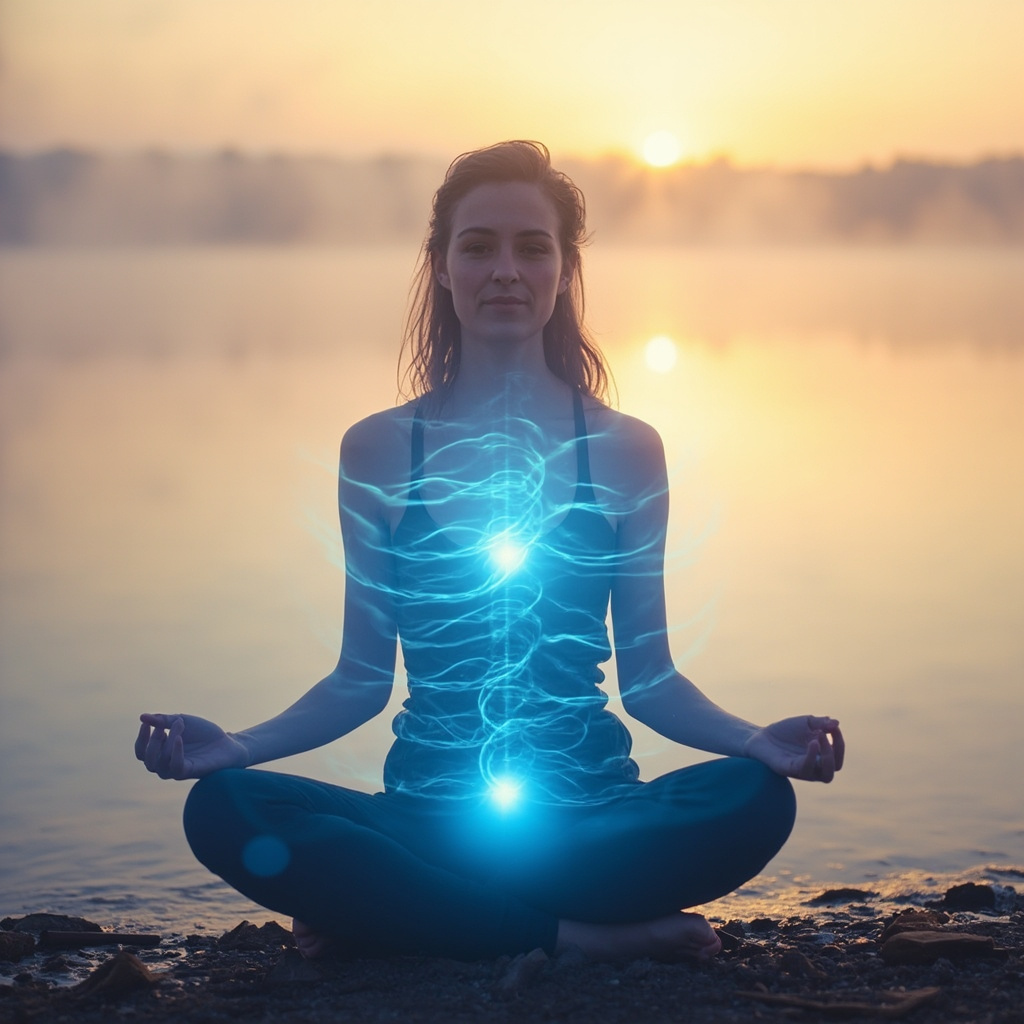
Discovering the Para-Sympathetic System
Your body has two main control systems for handling daily life: one for action and one for recovery. The para-sympathetic system is your built-in rest button. It kicks in during quiet moments, slowing your heart rate, easing digestion, and promoting repair. Think of it as the gentle counterbalance to stress responses. For more details, see the para-sympathetic system glossary.
This system runs along key nerves like the vagus nerve, spreading calm from your brain to your gut and beyond. When active, it signals safety, allowing your body to recharge.
Why It Matters for Health and Emotions
A strong para-sympathetic system brings real benefits:
- Reduces stress: Lowers tension hormones like cortisol, easing anxiety.
- Supports healing: Improves organ function, immunity, and recovery after illness or effort.
- Balances emotions: Helps regulate moods, fostering inner peace and resilience.
- Enhances sleep: Prepares your body for deep, restorative rest.
When used as a resource, it enhances relaxation and energy flow, quieting overactive stress signals. Low activity often links to fatigue, poor sleep, or emotional ups and downs. Tracking signs like heart rate variability (HRV) – the natural beat-to-beat changes in your heart – shows its strength. Higher HRV means better adaptability to stress.
How Meditation Awakens This System
Meditation is a direct path to activate the para-sympathetic system. Slow, deep breaths stimulate the vagus nerve, shifting you into rest mode. Mindfulness practices build awareness, reducing mental chatter that triggers stress.
As a meditation coach, I focus on these tools:
- Breathing patterns to sync rhythm and calm nerves.
- Contemplative focus to steady emotions.
- Gentle scans to release tension.
Regular practice refines these, using stress and agitation cues to tailor sessions for deeper calm.
Fresh Insights from Research
Recent studies confirm meditation's power. A March 2026 trial in Scientific Reports tested a 10-day digital mindfulness program on healthy adults. Participants saw rising HRV during sessions, marking para-sympathetic boost. Sleep improved too – more efficient rest, quicker onset, lasting weeks. This shows even short practices shift your nervous system toward balance.
Other work highlights breath-focused meditation raising vagal tone for faster stress recovery and lower inflammation. These findings align with my approach: consistent mindfulness builds resilience.
Practical Ways to Activate It Daily
Start small with these exercises:
- 4-7-8 Breathing: Inhale for 4 counts, hold 7, exhale 8. Do 4 rounds to slow your heart.
- Body Scan: Lie down, notice tension from toes to head, breathe into tight spots.
- Loving-Kindness: Silently wish well to yourself and others, opening emotional flow.
- Cyclic Sighing: Double inhale softly, long exhale. Quick calm in minutes.
Aim for 10 minutes daily. Notice how your body softens, mind clears. Over time, this strengthens para-sympathetic responses for everyday ease.
Embrace this system as your ally for vitality and peace. Simple shifts lead to profound change.
- 1. youtube.com
- 2. cedars-sinai.org
- 3. health.harvard.edu
- 4. donovanhealth.com
- 5. youtube.com
- 6. raowellness.com
- 7. frontiersin.org
- 8. webmd.com
- 9. youtube.com
- 10. pmc.ncbi.nlm.nih.gov
- 11. nytimes.com
- 12. pmc.ncbi.nlm.nih.gov
- 13. biorxiv.org
- 14. youtube.com
- 15. open.spotify.com
- 16. nmn.com
- 17. pmc.ncbi.nlm.nih.gov
- 18. youtube.com
- 19. clinicaltrials.gov
- 20. nature.com
- 21. fitmind.org
- 22. pmc.ncbi.nlm.nih.gov
- 23. pmc.ncbi.nlm.nih.gov
- 24. artofliving.org
- 25. pmc.ncbi.nlm.nih.gov
- 26. breatheeasytherapy.com
- 27. psychiatry.ucsf.edu
- 28. nature.com
- 29. verywellmind.com
- 30. sciencedirect.com
- 31. open.spotify.com
- 32. psychologytoday.com
- 33. healthrising.org
- 34. pmc.ncbi.nlm.nih.gov
- 35. healthcare-bulletin.co.uk
- 36. pmc.ncbi.nlm.nih.gov
- 37. link.springer.com
- 38. pmc.ncbi.nlm.nih.gov
- 39. nature.com
- 40. music.apple.com
- 41. tandfonline.com
- 42. pmc.ncbi.nlm.nih.gov
- 43. pmc.ncbi.nlm.nih.gov
- 44. youtube.com
- 45. theguardian.com
- 46. news.vumc.org
- 47. medium.com
- 48. my.clevelandclinic.org
- 49. pmc.ncbi.nlm.nih.gov
- 50. med.stanford.edu
Related posts
Glossary
- Energy and mind Structures > Focused Coherence; Focus
- Energy and mind Structures > Mental
- Energy and mind Structures > Peace
- Energy and mind Structures > Immunity
- Body zones > head
- Body zones > hormones
- Body zones > nerves
- TCM Recipes > Heart Health: Remedies for Anxiety and Palpitations
- TCM Recipes > Brain Boost: Clear Fog, Improve Focus & Memory
- TCM Recipes > Boost Your Energy: A TCM Recipe for Fatigue Relief
- Energy and mind Structures > sleep
- Energy and mind Structures > vitality
- Energy and mind Structures > Digestion
- Energy and mind Structures > Theta; 4.31-6.97 Hz. Light sleep, meditation.
- Energy and mind Structures > Stress
- Stimuli > Cortisol
- Stimuli > Moon - Nasal Passage, Breathing, Taste
- Binaural beats > Inflammation Relief: Heal Faster with Binaural Beats
- Binaural beats > Nervous System: A Program for Emotional Balance and Relaxation
- Stimuli > Stimulate
- Stimuli > Lead
see also...
- Energy and mind Structures > HRV
- Energy and mind Structures > Body zones > plasma
- Energy and mind Structures > TCM Recipes > Tension Headache Relief: A Natural Approach to Ease Stress
- Testimonials > 61% Drop in Nausea and 58% in Headaches from Sound Therapy
- Binaural beats > Stimuli > Sacral, Zinc Etc
- Binaural beats > Transmutation: A Sound Journey for Personal Change