


Global Activity: Balance Your Inner Rhythm
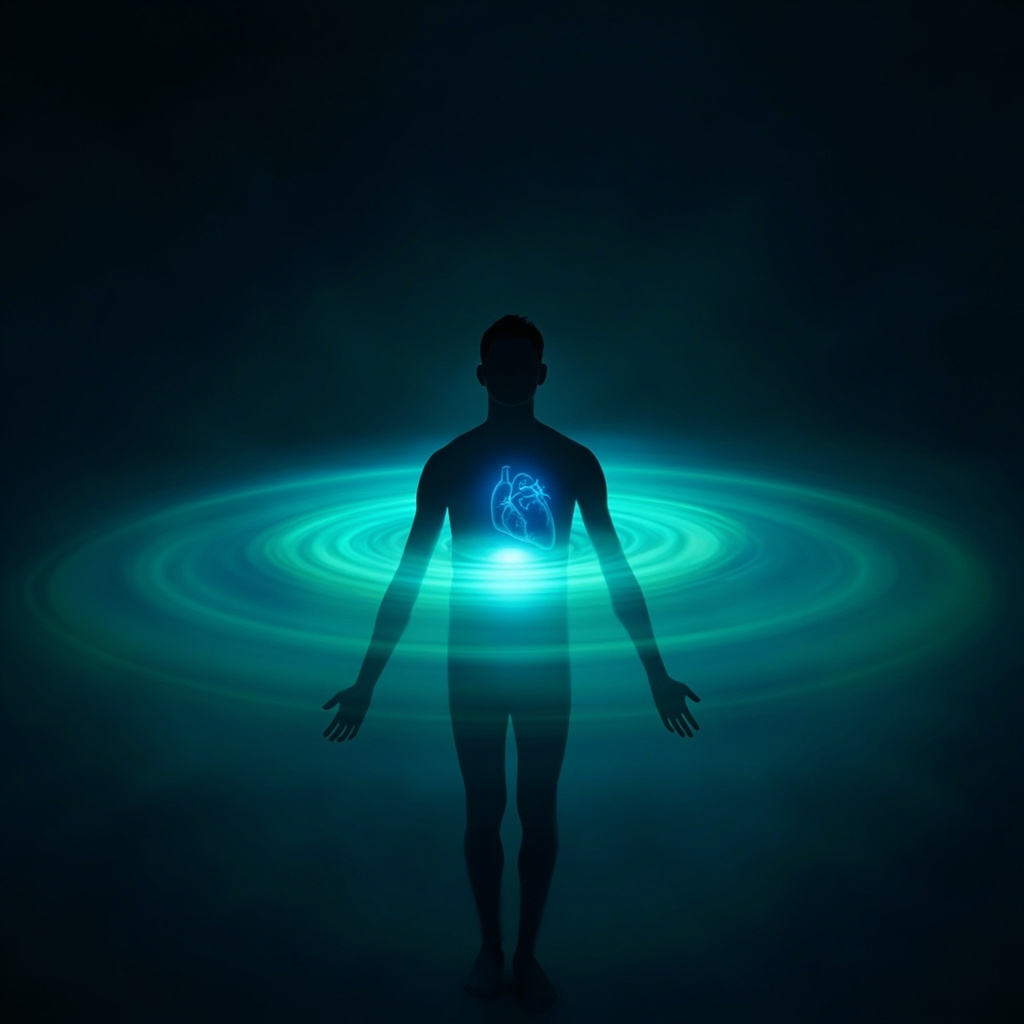
What Is Global Activity?
Global activity is a simple yet powerful measure of how well your autonomic nervous system coordinates your body's functions. This system works quietly in the background, regulating your heart rate, digestion, breathing, and stress responses. It shows up in the natural ups and downs of your pulse, captured through a quick electrical reading from your body.
Think of it as your body's orchestra conductor. When everything syncs, you feel energized and steady. When it's off, you might notice fatigue, anxiety, or poor sleep. In plain terms, it combines slow rhythms (very low frequencies) with fast ones (high frequencies) from your heart signals to reveal overall nervous system performance.
Why Does It Matter for Daily Life?
A healthy level of global activity supports every part of you:
- Organs like your heart, lungs, and gut work smoothly.
- Emotions stay even, reducing mood swings.
- Energy flows steadily, fighting burnout.
- Recovery speeds up after workouts or tough days.
When global activity dips, common signs include:
- Constant tiredness or low motivation.
- Racing thoughts or feeling overwhelmed.
- Trouble sleeping or digesting food.
- Heightened sensitivity to stress.
Studies show this marker links to better stress resilience and overall well-being. For example, balanced global activity helps your body adapt to challenges, much like a flexible tree in the wind.
How Stress Affects Global Activity
Modern life bombards us with stressors-work deadlines, poor sleep, or emotional strain. These tighten your sympathetic response (fight-or-flight mode), shrinking the natural pulse variations that signal global activity. Over time, this leads to rigid patterns, making relaxation harder.
High stress biomarkers like elevated cortisol or low heart rate variability often accompany low global activity. The good news? Your body can rebound with targeted practices.
Meditation: Your Path to Restoring Balance
As a meditation coach, I focus on practices that directly lift global activity by activating your parasympathetic system (rest-and-digest mode). Regular sessions increase these pulse rhythms, fostering deeper calm.
Here's how meditation helps:
- Boosts high-frequency signals: Slow breathing enhances parasympathetic tone, widening pulse variations.
- Eases very low frequencies: Releases deep-seated tension, smoothing overall rhythms.
- Regulates emotions: Guides awareness to balance agitation, improving nervous system harmony.
Recent research confirms mindfulness meditation raises heart rate variability markers like these, especially in novices and experts alike. Practitioners report less anxiety and more vitality after consistent practice.
Practical Meditation Tips for Global Balance
Start small to build momentum:
- Breath Focus (5 minutes daily): Sit comfortably. Inhale for 4 counts, exhale for 6. Feel your belly rise and fall. This directly calms sympathetic overdrive.
- Body Scan: Lie down. Slowly notice sensations from toes to head, softening tension. Targets agitation biomarkers.
- Heart-Centered Practice: Place a hand on your chest. Breathe into your heart space, inviting warmth and ease. Enhances emotional regulation.
- Track Progress: Notice how you feel post-session-more steady energy means global activity is improving.
Aim for 10-20 minutes daily. Over weeks, you'll sense shifts: better sleep, clearer mind, resilient mood.
Global Activity as a Resource
When strong, global activity becomes a trusted ally. It energizes organs, meridians, emotions, and subtle energy points. Use it in your inner work by visualizing a steady, glowing rhythm throughout your body. This amplifies healing, clarity, and joy.
For more on this biomarker, see the glossary.
Embrace these practices to tune your inner rhythm. Your body knows the way to calm-guide it with gentle awareness.
- 1. cdr.lib.unc.edu
- 2. link.springer.com
- 3. fitmind.org
- 4. sciencedirect.com
- 5. pmc.ncbi.nlm.nih.gov
- 6. escardio.org
- 7. ovid.com
- 8. biorxiv.org
- 9. onlinelibrary.wiley.com
- 10. biopac.com
- 11. pmc.ncbi.nlm.nih.gov
- 12. journals.lww.com
- 13. link.springer.com
- 14. pmc.ncbi.nlm.nih.gov
- 15. health.harvard.edu
- 16. researchgate.net
- 17. frontiersin.org
- 18. journals.lww.com
- 19. pmc.ncbi.nlm.nih.gov
- 20. mdpi.com
- 21. missionhealth.org
- 22. autonomicneuroscience.com
- 23. frontiersin.org
- 24. sciencedirect.com
- 25. dl.acm.org
- 26. pmc.ncbi.nlm.nih.gov
- 27. nature.com
- 28. mdpi.com
- 29. medtechdive.com
- 30. pubmed.ncbi.nlm.nih.gov
- 31. hfsa.org
- 32. researchgate.net
- 33. researchgate.net
- 34. mdpi.com
- 35. pmc.ncbi.nlm.nih.gov
- 36. heartify.io
- 37. nature.com
- 38. sciencedirect.com
- 39. sciencedirect.com
- 40. pmc.ncbi.nlm.nih.gov
- 41. physoc.onlinelibrary.wiley.com
- 42. psychologytoday.com
- 43. pluxbiosignals.com
- 44. europepmc.org
- 45. researchgate.net
- 46. web.fibion.com
- 47. doralhw.org
- 48. aliexpress.com
- 49. sciencedirect.com
Related posts
Glossary
- Energy and mind Structures > Focused Coherence; Focus
- Energy and mind Structures > Regulation
- Energy and mind Structures > Meridians
- Body zones > head
- Body zones > lungs
- Body zones > parasympathetic
- Body zones > chest
- Energy and mind Structures > Organs
- TCM Recipes > Heart Health: Remedies for Anxiety and Palpitations
- TCM Recipes > Boost Your Energy: A TCM Recipe for Fatigue Relief
- Energy and mind Structures > sleep
- Energy and mind Structures > vitality
- Energy and mind Structures > Momentum
- Energy and mind Structures > Digestion
- Energy and mind Structures > Theta; 4.31-6.97 Hz. Light sleep, meditation.
- Energy and mind Structures > Stress
- Energy and mind Structures > Global activity
- Stimuli > Cortisol
- Stimuli > Moon - Nasal Passage, Breathing, Taste
- Binaural beats > Nervous System: A Program for Emotional Balance and Relaxation
- Stimuli > Harmony
see also...
- Energy and mind Structures > Global activity
- Energy and mind Structures > Body zones > substantia nigra
- Energy and mind Structures > TCM Recipes > Tension Headache Relief: A Natural Approach to Ease Stress
- Testimonials > 61% Drop in Nausea and 58% in Headaches from Sound Therapy
- Binaural beats > Stimuli > Sacral, Zinc Etc
- Binaural beats > Transmutation: A Sound Journey for Personal Change