


Power: Vago-Sympathetic Balance
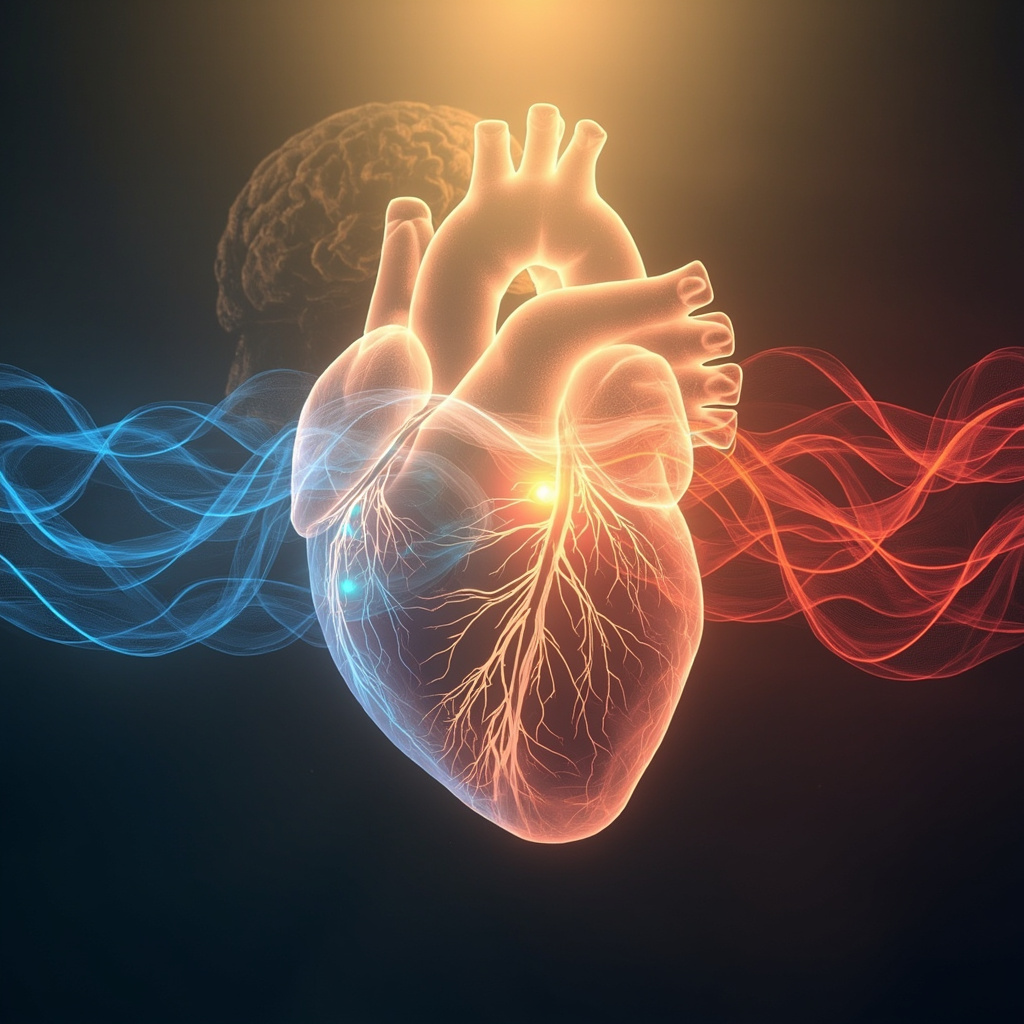
Your body has two main nervous system modes: one for action and stress, called sympathetic, and one for rest and recovery, called parasympathetic or vagal. Power (vago-sympathetic interaction) measures their interplay through the LF/HF ratio from heart rate variability, or HRV. This simple number from your pulse reveals if you are stuck in high gear or finding sweet harmony.
A high LF/HF ratio signals sympathetic dominance – think fight-or-flight on overdrive, leading to tension, anxiety, and poor recovery. A balanced or lower ratio points to vagal strength, fostering calm, better focus, and emotional steadiness. For more details, see the glossary entry.
Why It Matters for Daily Life
This balance affects everything:
- Emotional health: High ratios link to reactivity and mood swings; balance supports clear thinking.
- Physical recovery: Strong vagal tone speeds healing and fights fatigue.
- Stress resilience: Flexible shifts between modes help you handle life's demands without burnout.
When Power acts as a resource, it guides balance in organs, emotions, and energy flow, enhancing overall well-being.
Signs of Imbalance
You might notice:
- Constant worry or quick irritation.
- Trouble sleeping or slow wound healing.
- Digestive issues or low energy after activity.
These stem from sympathetic overload, common in busy lives.
How Meditation Restores Balance
Meditation excels at boosting parasympathetic activity, lowering the LF/HF ratio for harmony. Studies show practices like mindfulness reduce sympathetic drive, increase vagal tone, and improve HRV coherence.
Breathing for Power Balance
Slow, deep breaths at about 6 per minute resonate with your heart's natural rhythm:
- Sit comfortably, eyes closed.
- Inhale for 5 seconds, exhale for 5.
- Focus on your heart area.
- Practice 10 minutes daily.
This activates the vagus nerve, shifting Power toward calm.
Mindfulness for Emotional Regulation
Observe thoughts without judgment:
- Start with 5 minutes, building up.
- Notice breath at nostrils.
- Label stress as it arises: "This is tension."
Over time, this strengthens prefrontal control, lowering LF/HF and emotional reactivity.
Heart-Focused Coherence
From techniques like HeartMath:
- Breathe into your heart.
- Recall a positive feeling.
- Sustain smooth rhythm.
Results: Reduced LF/HF, better mood stability.
Long-Term Benefits
Regular practice yields:
Track progress with HRV apps or sensors. As a meditation coach, I see clients transform: agitation fades, clarity emerges.
Incorporate these into routines for lasting Power balance. Your nervous system thanks you.
- 1. researchgate.net
- 2. mindfulsuite.com
- 3. pmc.ncbi.nlm.nih.gov
- 4. pmc.ncbi.nlm.nih.gov
- 5. researchgate.net
- 6. pmc.ncbi.nlm.nih.gov
- 7. pubmed.ncbi.nlm.nih.gov
- 8. pubmed.ncbi.nlm.nih.gov
- 9. pubmed.ncbi.nlm.nih.gov
- 10. mdpi.com
- 11. revolutionhealth.org
- 12. sciencedirect.com
- 13. pmc.ncbi.nlm.nih.gov
- 14. pmc.ncbi.nlm.nih.gov
- 15. frontiersin.org
- 16. instagram.com
- 17. pubmed.ncbi.nlm.nih.gov
- 18. sciencedirect.com
- 19. nature.com
- 20. pmc.ncbi.nlm.nih.gov
- 21. livity-app.com
- 22. pubmed.ncbi.nlm.nih.gov
- 23. innsightful.com
- 24. researchgate.net
- 25. frontiersin.org
- 26. pubmed.ncbi.nlm.nih.gov
- 27. doralhw.org
- 28. pubmed.ncbi.nlm.nih.gov
- 29. apsychoserver.psychofizz.psych.arizona.edu
- 30. mdpi.com
- 31. sciencedirect.com
- 32. pubmed.ncbi.nlm.nih.gov
- 33. nature.com
- 34. pubmed.ncbi.nlm.nih.gov
- 35. fitmind.org
- 36. pubmed.ncbi.nlm.nih.gov
Related posts
Glossary
- Energy and mind Structures > Focused Coherence; Focus
- Energy and mind Structures > Drive
- Energy and mind Structures > Power (vago-sympathetic interaction)
- Body zones > parasympathetic
- Body zones > eyes
- Energy and mind Structures > Organs
- TCM Recipes > Digestive Relief: A Simple Guide to Ease Bloating & Indigestion
- TCM Recipes > Heart Health: Remedies for Anxiety and Palpitations
- TCM Recipes > Boost Your Energy: A TCM Recipe for Fatigue Relief
- Energy and mind Structures > sleep
- Energy and mind Structures > vitality
- Energy and mind Structures > Theta; 4.31-6.97 Hz. Light sleep, meditation.
- Energy and mind Structures > Stress
- Stimuli > Moon - Nasal Passage, Breathing, Taste
- Binaural beats > Nervous System: A Program for Emotional Balance and Relaxation
- Stimuli > Harmony
see also...
- Energy and mind Structures > HRV
- Energy and mind Structures > Body zones > eyes
- Energy and mind Structures > TCM Recipes > Tension Headache Relief: A Natural Approach to Ease Stress
- Testimonials > 61% Drop in Nausea and 58% in Headaches from Sound Therapy
- Binaural beats > Stimuli > Sacral, Zinc Etc
- Binaural beats > Transmutation: A Sound Journey for Personal Change