


C4 Vertebra: Breath, Mobility, Guilt Release
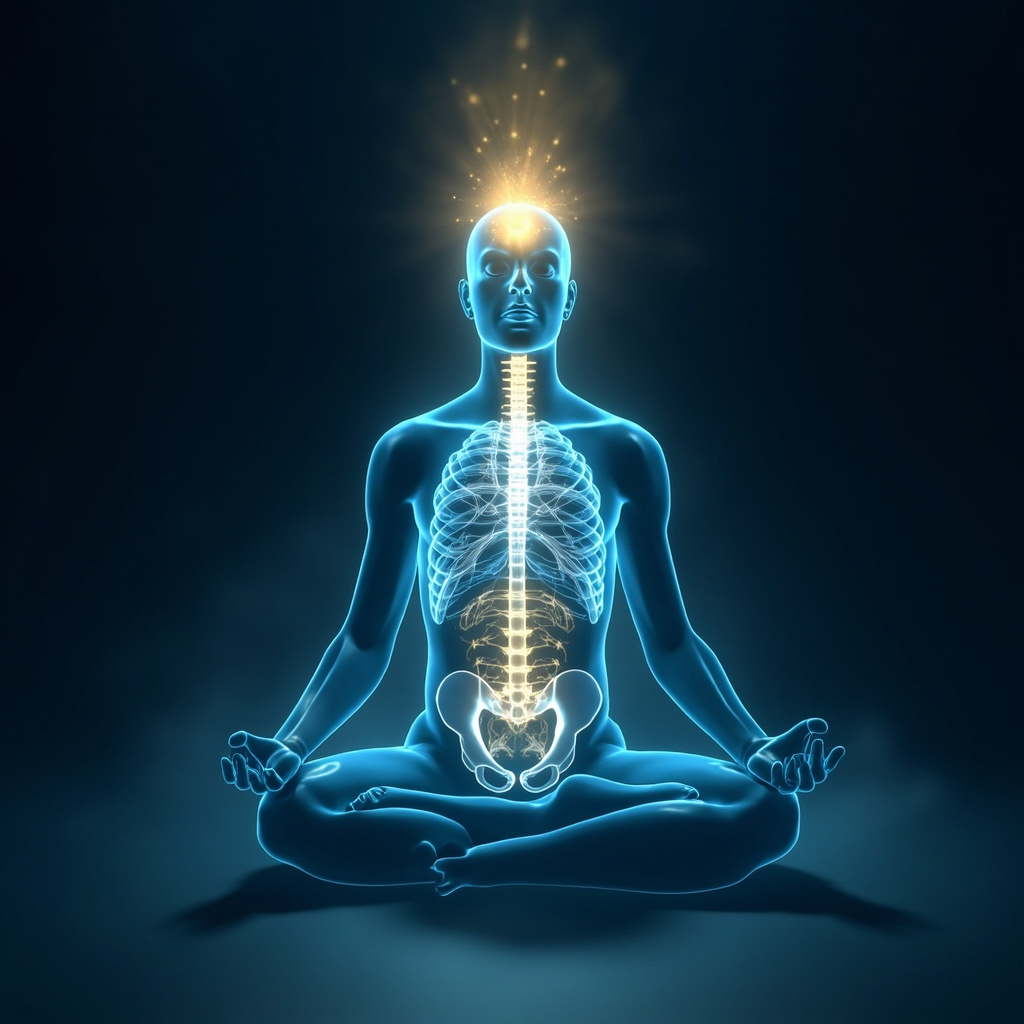
Understanding the C4 Vertebra
The C4 vertebra, the fourth bone in your neck's spine, sits right at the base of your neck. This small but vital structure supports key functions in your daily life. It helps control the diaphragm, the main muscle for breathing, and sends signals to your shoulders and upper arms for movement and sensation. When balanced, C4 ensures smooth breaths and strong upper body actions. Issues here can make breathing harder and limit arm use, affecting your freedom to move. Learn more about C4 in our glossary.
Physical Functions of C4
C4 plays a central role in:
- Breathing control: It links to nerves that drive the diaphragm. Deep, steady breaths rely on this connection for oxygen flow and relaxation.
- Shoulder and arm support: Provides feeling and power to lift, reach, and hold. This boosts daily tasks like dressing or carrying items.
- Neck stability: Anchors the spine, protecting nerves that run to the body.
Poor function might show as shallow breaths, weak shoulders, or neck stiffness. Regular check-ins reveal how well it supports your vitality.
Emotional Ties to C4
Beyond the body, C4 connects to deeper feelings:
- Guilt and self-blame: Often linked to carrying heavy emotional loads, like unmet duties or past regrets.
- Burden of responsibility: Struggles with self-worth or autonomy can show up here, creating inner tension.
- Sense of failure: Unresolved conflicts may tighten this area, mirroring mental weight on the physical frame.
These emotions can disrupt breath and movement. Releasing them fosters emotional freedom and physical ease.
Meditation for C4 Balance
As a meditation coach, I focus on practices that calm the nervous system and build emotional balance. For C4, gentle techniques target breath and feelings:
Diaphragmatic Breathing
Place one hand on your belly. Inhale slowly through the nose for 4 counts, letting the belly rise as the diaphragm moves. Exhale for 6 counts. This strengthens C4's role, eases stress, and boosts heart rate variability (HRV), a sign of resilience. Studies show it cuts negative emotions and cortisol, the stress hormone.
Neck Awareness Meditation
Sit tall. Close your eyes. Scan your neck softly. Notice any tightness at C4 level. Breathe into it, whispering inwardly: "I release guilt. I am worthy." Hold for 5 minutes. This invites calm, supports HRV, and clears self-blame.
Shoulder Release Flow
Roll shoulders back gently with each breath. Visualize burdens lifting off C4. Pair with mindfulness: Observe thoughts without judgment. This enhances mobility and emotional lightness.
Track progress with stress biomarkers and HRV. Better scores mean your practice works.
C4 as Your Inner Resource
When strong, C4 becomes a powerful ally:
- Enables full, restorative breaths for energy.
- Strengthens upper body for confident action.
- Clears guilt, boosting self-worth and peace.
Use it in daily routines. Morning breaths wake vitality. Evening release unwinds the day.
Why Focus on C4 Now?
Neck tension often signals stress overload. Meditation here regulates agitation, sharpens mental clarity, and balances energy. Recent research confirms diaphragmatic breathing improves attention, mood, and stress response. Pair it with contemplative sits for lasting calm.
Start small: 10 minutes daily. Feel the shift in breath, strength, and heart. Your C4 holds keys to breath of life and emotional release.
- 1. frontiersin.org
- 2. craighospital.org
- 3. neuroreadinglist.files.wordpress.com
- 4. mdpi.com
- 5. apa.org
- 6. othership.us
- 7. insighttimer.com
- 8. pmc.ncbi.nlm.nih.gov
- 9. facebook.com
- 10. spinalcord.com
- 11. healthline.com
- 12. clinicaltrials.gov
- 13. clinicaltrials.gov
- 14. physio-pedia.com
- 15. vidyamala-burch.com
- 16. facebook.com
- 17. psychologytoday.com
- 18. halebreathing.com
- 19. tscir.kglmeridian.com
- 20. researchgate.net
- 21. journals.sagepub.com
- 22. youtube.com
- 23. medrxiv.org
- 24. positivepsychology.com
- 25. pmc.ncbi.nlm.nih.gov
- 26. pmc.ncbi.nlm.nih.gov
- 27. facebook.com
- 28. ubiehealth.com
- 29. facebook.com
- 30. pubmed.ncbi.nlm.nih.gov
- 31. pmc.ncbi.nlm.nih.gov
- 32. facebook.com
- 33. youtube.com
- 34. mountsinai.org
- 35. fredspark.com
- 36. challenge.news
Related posts
Glossary
- Energy and mind Structures > oxygen
- Energy and mind Structures > Focused Coherence; Focus
- Energy and mind Structures > Structure
- Energy and mind Structures > Sensation
- Energy and mind Structures > Mental
- Energy and mind Structures > Peace
- Energy and mind Structures > Drive
- Body zones > nerves
- Body zones > nose
- Body zones > C4
- Body zones > eyes
- TCM Recipes > Heart Health: Remedies for Anxiety and Palpitations
- Energy and mind Structures > vitality
- Energy and mind Structures > movement
- Energy and mind Structures > Theta; 4.31-6.97 Hz. Light sleep, meditation.
- Energy and mind Structures > Stress
- Stimuli > Cortisol
- Stimuli > Moon - Nasal Passage, Breathing, Taste
- Stimuli > Bone