


Lens: Meditation for Vision Clarity
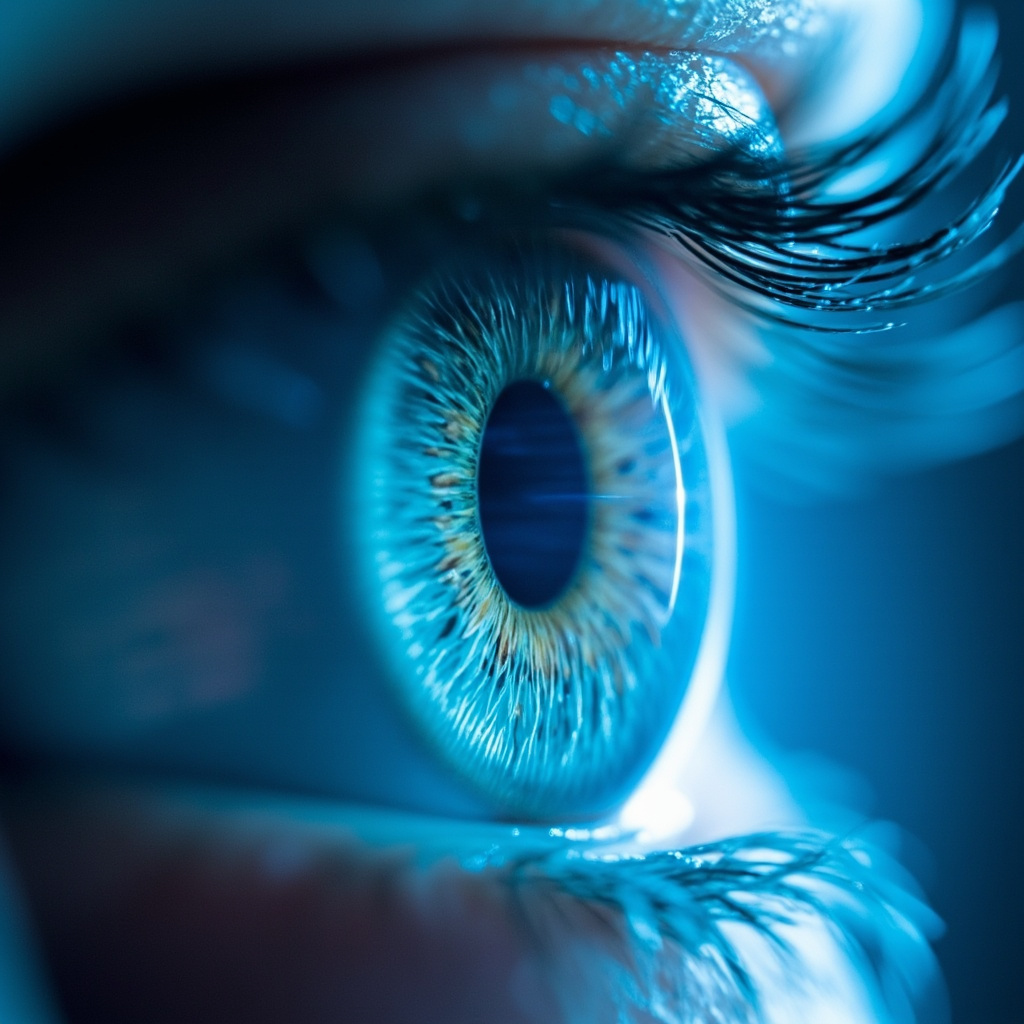
Your eyes are windows to the world, and at their heart lies the lens. This flexible structure, tucked behind the iris and pupil, bends light to create sharp images on the retina. It adjusts shape effortlessly to let you see near or far. For more details, see the lens glossary.
When working well, the lens delivers crisp clarity. But imbalances can lead to fuzzy vision or conditions like cataracts, where the lens grows cloudy. These physical shifts often mirror deeper patterns.
Signs of Lens Imbalance
Physically, you might notice:
- Blurred or hazy sight
- Trouble shifting focus between distances
- Glare sensitivity or clouded areas in vision
These can stem from age, strain, or unresolved tension. Emotionally, the lens ties to how we perceive reality. A clouded lens may signal fear of the future, reluctance to face truths, or overwhelm from what we see ahead. Stress builds, creating a cycle where worry strains the eyes, and poor vision heightens anxiety.
Research shows stress harms vision. Chronic tension raises cortisol, disrupts blood flow to the eyes, and imbalances the nervous system. This sympathetic overdrive-tracked via heart rate variability (HRV)-can worsen eye strain and contribute to vision decline. Low HRV signals poor resilience, while meditation boosts parasympathetic calm for recovery.
The Emotional Lens: Perception and Fear
Beyond optics, the lens shapes our inner view. Emotional blocks, like dread of change or denial, manifest as literal cloudiness. You avoid 'seeing' painful realities, and your sight dims. This links to agitation biomarkers, where mental fog parallels physical blur.
Balancing the lens clears both. It fosters clarity in thought, helping you face life with steady gaze. Reduced stress eases eye muscles, improves focus, and lifts emotional weight.
Meditation Practices for Lens Harmony
As a meditation coach, I guide you to regulate the nervous system for eye balance. Start with these simple steps:
-
Breath Awareness for Relaxation: Sit comfortably. Close eyes softly. Breathe in for 4 counts, out for 6. Feel tension melt from eye sockets. This activates parasympathetic rest, lifting HRV and easing lens strain. Practice 5 minutes daily.
-
Palming for Gentle Warmth: Rub palms together until warm. Cup over closed eyes, no pressure. Breathe deeply, visualizing soft light nourishing the lens. Releases muscle tightness, boosts circulation.
-
Clarity Visualization: Imagine a crystal-clear lens, light rays sharpening perfectly. Affirm: 'I see clearly, within and without.' Pair with slow blinks to hydrate eyes.
-
Mindful Gazing: Fix soft gaze on a distant point, then near object. Alternate slowly. Builds focus, strengthens lens flexibility without force.
Track progress via stress and HRV trends. Better HRV means resilient vision and calm perception.
Lens as Your Ally
A balanced lens supports the whole body. It sharpens focus for other areas-like steadying nerves or aiding brain clarity. Call on it in meditation: 'Lens, lend your precision to my path.' This resource dissolves fears, aligning sight with purpose.
Build Lasting Clarity
Daily practice rewires habits. Emotional regulation via mindfulness prevents clouding. Notice sharper details, easier decisions, lighter mood. Your lens thrives in calm.
Embrace this journey. Meditation not only tunes the lens but unveils life's vivid potential. Start today for enduring clarity.
- 1. instagram.com
- 2. pmc.ncbi.nlm.nih.gov
- 3. yogatribebrooklyn.com
- 4. assileye.com
- 5. clinicaltrials.gov
- 6. ophthalmicprofessional.com
- 7. ezcontacts.com
- 8. pubmed.ncbi.nlm.nih.gov
- 9. pmc.ncbi.nlm.nih.gov
- 10. sightsage.com
- 11. pubmed.ncbi.nlm.nih.gov
- 12. youtube.com
- 13. insighttimer.com
- 14. pubmed.ncbi.nlm.nih.gov
- 15. theyogainstitute.org
- 16. insighttimer.com
- 17. oxalife.com
- 18. ophthalmologyadvisor.com
- 19. pubmed.ncbi.nlm.nih.gov
- 20. pmc.ncbi.nlm.nih.gov
- 21. youtube.com
- 22. pubmed.ncbi.nlm.nih.gov
- 23. frontiersin.org
- 24. insighttimer.com
- 25. pubmed.ncbi.nlm.nih.gov
- 26. youtube.com
- 27. reddit.com
- 28. pmc.ncbi.nlm.nih.gov
- 29. facebook.com
- 30. eyesight.org
- 31. pmc.ncbi.nlm.nih.gov
- 32. youtube.com
- 33. andrewtemte.com
- 34. uoosd.com
- 35. pmc.ncbi.nlm.nih.gov
- 36. insighttimer.com
- 37. pubmed.ncbi.nlm.nih.gov
- 38. youtube.com
- 39. myclearsight.com
- 40. shadesoptical.com
- 41. oclvision.com
- 42. nature.com
- 43. researchgate.net
- 44. youtube.com
- 45. pubmed.ncbi.nlm.nih.gov
- 46. naturallyclearvision.com
- 47. artoflivingretreatcenter.org
- 48. pubmed.ncbi.nlm.nih.gov
- 49. pubmed.ncbi.nlm.nih.gov
- 50. link.springer.com
Related posts
Glossary
- Energy and mind Structures > Focused Coherence; Focus
- Energy and mind Structures > Structure
- Energy and mind Structures > Mental
- Energy and mind Structures > Purpose
- Body zones > muscles
- Body zones > nerves
- Body zones > parasympathetic
- Body zones > eyes
- Body zones > lens
- Body zones > face
- TCM Recipes > Circulation: Boost Energy and Warm Your Extremities
- TCM Recipes > Heart Health: Remedies for Anxiety and Palpitations
- Energy and mind Structures > Head, perception
- Energy and mind Structures > Theta; 4.31-6.97 Hz. Light sleep, meditation.
- Stimuli > Cortisol
- Binaural beats > Nervous System: A Program for Emotional Balance and Relaxation
- Stimuli > Lead
- Stimuli > Blood
see also...
- Energy and mind Structures > Theta; 4.31-6.97 Hz. Light sleep, meditation.
- Energy and mind Structures > Body zones > thoracic
- Energy and mind Structures > TCM Recipes > Tension Headache Relief: A Natural Approach to Ease Stress
- Testimonials > 61% Drop in Nausea and 58% in Headaches from Sound Therapy
- Binaural beats > Stimuli > Variolinum
- Binaural beats > Transmutation: A Sound Journey for Personal Change