


Tryptophan: Key to Mood and Sleep Balance
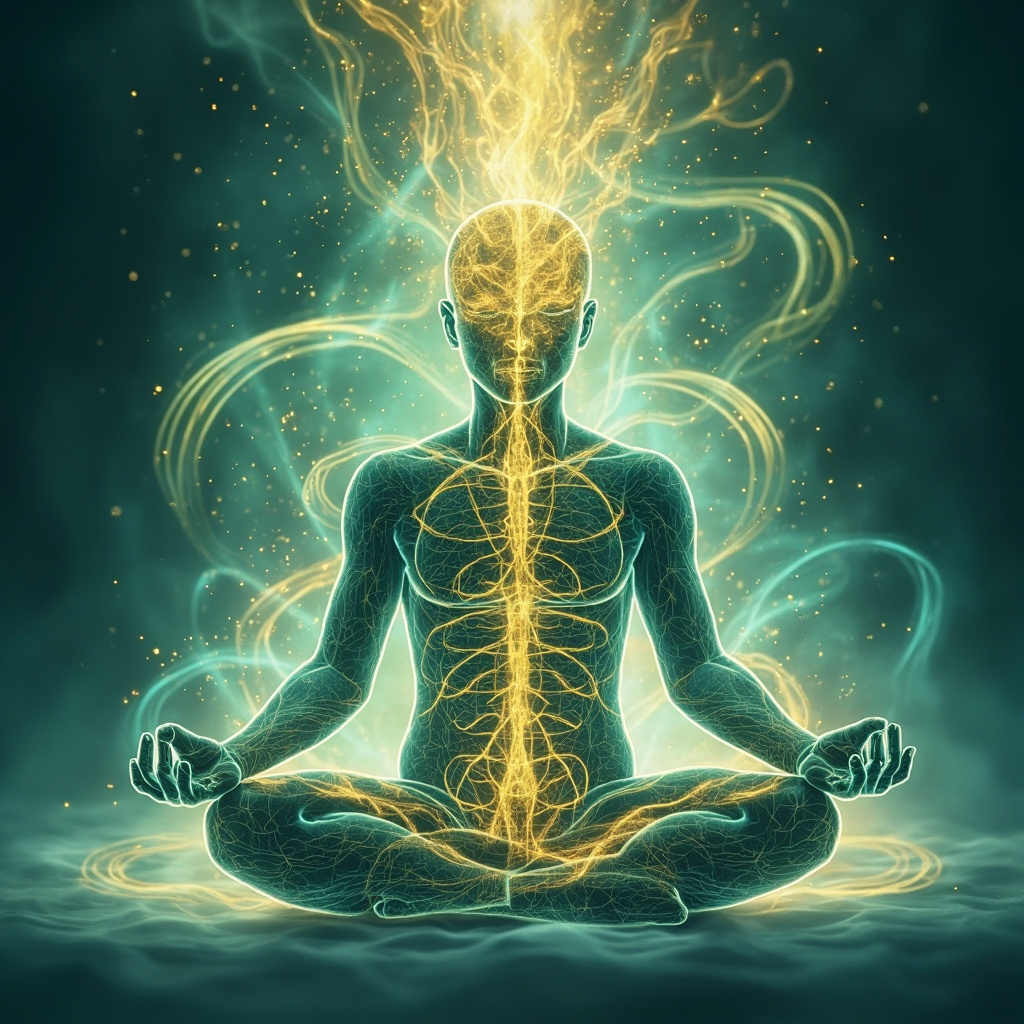
Tryptophan plays a vital role in keeping our minds and bodies in tune. This essential amino acid, which we get from food, serves as the building block for important brain chemicals. It turns into serotonin, helping regulate mood, appetite, and feelings of well-being, and melatonin, which guides our sleep cycles. Found mainly in the brain, blood, and gut, tryptophan supports clear thinking, stable emotions, and restorative rest. For more details, see the tryptophan glossary.
How Tryptophan Supports Daily Well-Being
When working well, tryptophan keeps our emotional world steady. Serotonin from tryptophan promotes a sense of calm and satisfaction, while melatonin ensures we fall asleep easily and wake refreshed. Studies show people with good tryptophan levels often report better focus, less irritability, and improved handling of daily pressures.
Low activity or shortages in tryptophan metabolism can show up as trouble sleeping, low energy, or shifting moods. These signs might point to broader needs for emotional care. Learn more about tryptophan.
Emotional Ties to Tryptophan
Feelings of sadness, unprocessed grief, or ongoing stress can disrupt tryptophan's flow. When stress rises, the body may shift tryptophan away from serotonin production toward other paths, leading to fatigue, anxiety, or a sense of emptiness. This creates a cycle: emotional strain affects tryptophan, and imbalance heightens those feelings.
As a meditation coach, I see these links in stress biomarkers like heart rate variability (HRV) and agitation levels. Poor HRV often pairs with tryptophan challenges, signaling the nervous system needs gentle support to restore balance.
Meditation to Nurture Tryptophan Balance
Mindfulness and breathing practices activate the rest-and-digest side of the nervous system, fostering an environment where tryptophan can thrive. Here's how:
-
Breath Awareness: Slow, deep breaths from the belly increase parasympathetic activity, boosting serotonin pathways. Try inhaling for 4 counts, holding for 4, exhaling for 6. This eases stress and supports tryptophan's mood-lifting role.
-
Body Scan for Emotional Release: Lie down and gently scan from toes to head, noting tension tied to sadness. Invite tryptophan as a resource for calm: "Let tryptophan flow freely, building steady joy and peace."
-
Gratitude Focus: Spend 5 minutes daily noting simple joys. This shifts focus from lack to fulfillment, aiding serotonin production.
These techniques improve HRV, reduce stress markers, and enhance emotional regulation. Over time, they help tryptophan function as a natural ally for inner harmony.
Insights from Recent Research
A January 2026 study from Ben-Gurion University highlights tryptophan's power in brain health. A protein called SIRT6 directs tryptophan toward helpful chemicals like serotonin and melatonin, or harmful ones if imbalanced. In aging or stressed brains, this can lead to mood dips, sleep issues, and foggy thinking. The good news: balancing factors, like reduced stress, can reverse this, protecting memory and emotions.
This aligns with my work tracking biomarkers. Meditation lowers inflammation that disrupts tryptophan, promoting healing paths.
Foods That Fuel Tryptophan
Support your levels with everyday foods:
- Poultry like turkey and chicken
- Eggs and dairy such as cheese
- Nuts, seeds, and oats
- Fish and beans
Pair them with gentle movement or meditation for best absorption.
Using Tryptophan as a Meditation Resource
In guided sessions, call on tryptophan directly: "Feel tryptophan nourishing your brain, sparking serotonin for joy, melatonin for deep rest." This directs attention to its strengths, building resilience.
Regular practice refines nervous system regulation, turning tryptophan into a daily foundation for calm. Start small, track your mood and sleep, and notice the shifts.
By honoring tryptophan's role, we open doors to lasting emotional balance and vitality.
- 1. researchgate.net
- 2. rthm.com
- 3. pubmed.ncbi.nlm.nih.gov
- 4. pmc.ncbi.nlm.nih.gov
- 5. nature.com
- 6. psychologytoday.com
- 7. drlewis.com
- 8. caringsunshine.com
- 9. pubs.acs.org
- 10. pubmed.ncbi.nlm.nih.gov
- 11. tandfonline.com
- 12. alkalineforlife.com
- 13. pmc.ncbi.nlm.nih.gov
- 14. youtube.com
- 15. sciencedaily.com
- 16. pubmed.ncbi.nlm.nih.gov
- 17. sciencedirect.com
- 18. pubmed.ncbi.nlm.nih.gov
- 19. scientect.org
- 20. pubmed.ncbi.nlm.nih.gov
- 21. sciencedirect.com
- 22. pmc.ncbi.nlm.nih.gov
- 23. researchgate.net
- 24. news.mcmaster.ca
- 25. frontiersin.org
- 26. pubmed.ncbi.nlm.nih.gov
- 27. health.com
- 28. pmc.ncbi.nlm.nih.gov
- 29. linkedin.com
- 30. link.springer.com
- 31. healthline.com
- 32. researchgate.net
- 33. pubmed.ncbi.nlm.nih.gov
- 34. dovepress.com
Related posts
Glossary
- Energy and mind Structures > Focused Coherence; Focus
- Energy and mind Structures > Regulation
- Energy and mind Structures > Sadness
- Energy and mind Structures > Peace
- Energy and mind Structures > Satisfaction
- Energy and mind Structures > Grief
- Energy and mind Structures > Memory
- Body zones > head
- Body zones > tryptophan
- Body zones > parasympathetic
- TCM Recipes > Emotional Balance: A TCM Guide to Calm Anxiety & Insomnia
- TCM Recipes > Heart Health: Remedies for Anxiety and Palpitations
- TCM Recipes > Brain Boost: Clear Fog, Improve Focus & Memory
- TCM Recipes > Boost Your Energy: A TCM Recipe for Fatigue Relief
- Energy and mind Structures > sleep
- Energy and mind Structures > vitality
- Energy and mind Structures > movement
- Energy and mind Structures > Theta; 4.31-6.97 Hz. Light sleep, meditation.
- Energy and mind Structures > Stress
- Stimuli > Serotonin
- Stimuli > Moon - Nasal Passage, Breathing, Taste
- Binaural beats > Inflammation Relief: Heal Faster with Binaural Beats
- Binaural beats > Nervous System: A Program for Emotional Balance and Relaxation
- Stimuli > Lead
- Stimuli > Harmony
- Stimuli > Blood
- Stimuli > Melatonin
- Stimuli > GAPDH, Metabolism
see also...
- Energy and mind Structures > HRV
- Energy and mind Structures > Body zones > plasma
- Energy and mind Structures > TCM Recipes > Tension Headache Relief: A Natural Approach to Ease Stress
- Testimonials > 61% Drop in Nausea and 58% in Headaches from Sound Therapy
- Binaural beats > Stimuli > Chakra Throat
- Binaural beats > Transmutation: A Sound Journey for Personal Change