


Proteus vulgaris 3: TCM Urinary Harmony Ally
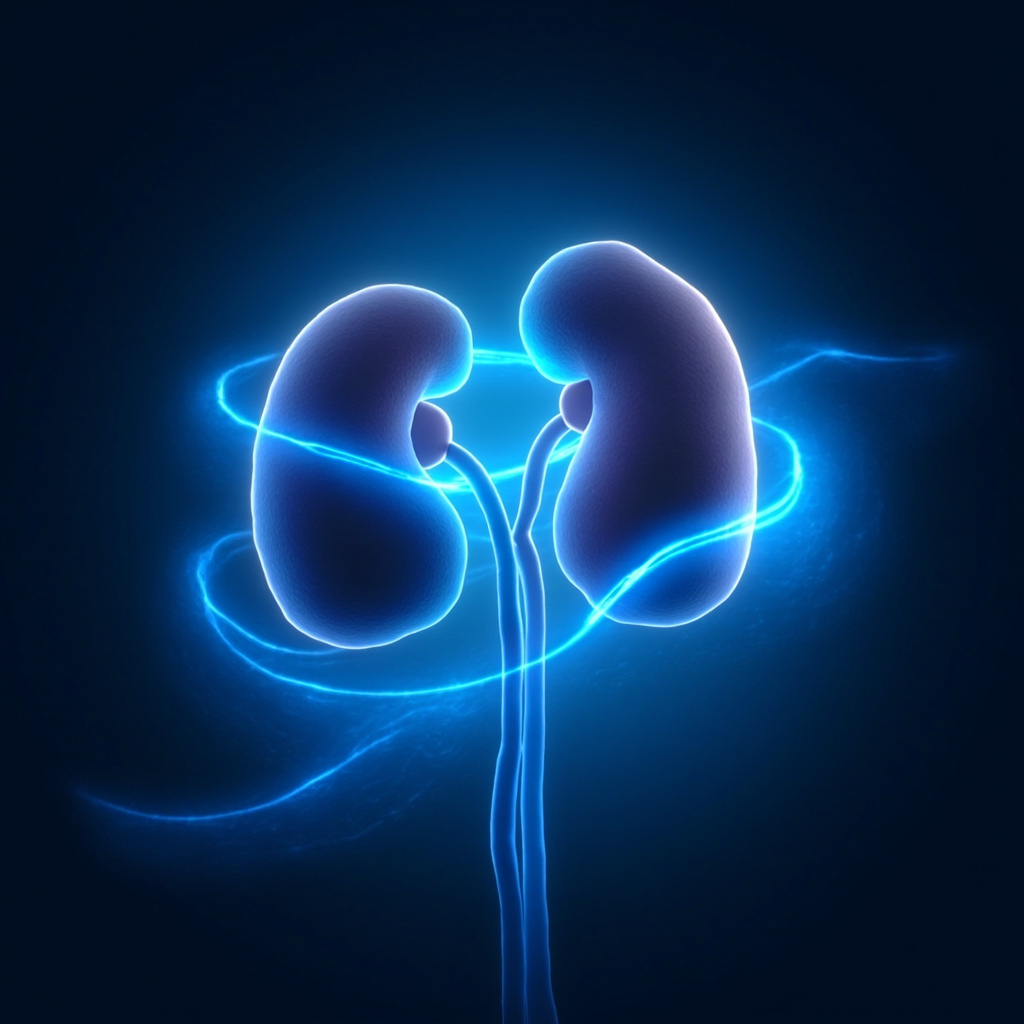
Proteus vulgaris 3 is a bacterium commonly linked to urinary tract infections. It thrives in the kidneys and bladder, producing an enzyme called urease. This enzyme raises the pH of urine, making it more alkaline. Over time, this can form kidney stones, causing pain, frequent urination, and burning sensations. These issues disrupt daily life and signal a deeper imbalance.
For more details, see the glossary: /energy_mind/1412-proteus-vulgaris-3.
Physical Effects in Simple Terms
When Proteus vulgaris 3 grows unchecked, it irritates the urinary system. Symptoms include:
- Abdominal discomfort
- Pain during urination
- Cloudy or strong-smelling urine
- Risk of stones blocking urine flow
These problems strain the kidneys, which filter waste, and the bladder, which stores urine. Left unaddressed, they can spread to higher areas or lead to chronic issues.
TCM Perspective: Water Element and Meridians
In Traditional Chinese Medicine (TCM), the urinary system connects to the Water element. This element rules the kidneys and bladder meridians. Kidneys store essence (vital energy) and govern bones, ears, and fear. The bladder meridian supports fluid balance and decision-making.
An imbalance here often shows as damp-heat accumulation. Dampness feels heavy and sticky, like unprocessed emotions or poor diet. Heat adds inflammation and urgency. Proteus vulgaris 3 fits this pattern, creating internal heat and stagnation.
To assess, TCM practitioners look at qi flow along these meridians. Blockages reduce energy circulation, weakening organ function. Biomarkers reveal these shifts, like low vitality or high agitation in urinary areas.
Emotional Links to Urinary Imbalance
TCM teaches that emotions affect organs. The kidneys tie to fear and willpower. Infections like those from Proteus vulgaris 3 bring:
- Anxiety about health and vulnerability
- Frustration from ongoing pain
- Worry over boundaries, like holding onto or releasing too much
These feelings create a cycle: stress weakens kidney qi, making infections more likely. Relief comes from addressing both body and mind.
When It's a Priority: Signs of Imbalance
If Proteus vulgaris 3 shows as a priority in your assessment, it means the body needs focused support. Common signs:
- Persistent urinary symptoms
- Fatigue from poor filtration
- Emotional unease, like unexplained fear
In TCM terms, this is kidney yin deficiency with damp-heat. Yin cools and moistens; its lack allows heat to rise.
Turning It into a Resource
Interestingly, when in harmony, Proteus vulgaris 3 can support healing. It provides energy to:
- Clear discomfort in kidneys and bladder
- Break down stones naturally
- Ease emotional distress like anxiety
TCM views microbes as part of the ecosystem. Balanced, they aid detoxification and resilience.
Practical TCM Strategies for Harmony
Restore balance with these approaches:
Dietary Adjustments
- Favor cooling foods: cucumber, watermelon, mung beans
- Avoid spicy, greasy items that fuel heat
- Drink barley water to drain dampness
Herbal Support
Tailored formulas like Ba Zheng San clear damp-heat from the urinary tract. It includes herbs like plantago seed for urination and gardenia for cooling.
Meridian Work
- Acupressure on Kidney 3 (inner ankle) boosts essence
- Bladder 23 (lower back) strengthens kidneys
- Gentle massage promotes qi flow
Lifestyle Tips
- Stay hydrated but sip warm water
- Practice deep breathing to calm fear
- Walk in nature to ground water energy
Five Elements Connection
Water nourishes Wood (liver) but controls Fire (heart). Urinary harmony prevents liver stagnation or heart agitation.
Integrating with Modern Insights
Biomarkers offer a window into qi, yin-yang, and organ links. For Proteus vulgaris 3, they show energy levels and emotional ties. This bridges ancient wisdom with precise data.
By nurturing the Water element, you build resilience. Kidneys thrive, emotions stabilize, and infections fade.
Harmony starts with awareness. Listen to your body, flow with its rhythms, and let TCM guide you back to balance.
Related posts
Glossary
- Energy and mind Structures > Water
- Energy and mind Structures > Stagnation
- Energy and mind Structures > Meridians
- Energy and mind Structures > Proteus vulgaris 3.
- Body zones > kidneys
- Energy and mind Structures > Organs
- TCM Recipes > Urinary Health: Remedies for Frequent Urination & Weak Kidneys
- TCM Recipes > Circulation: Boost Energy and Warm Your Extremities
- TCM Recipes > Liver Health: A TCM Recipe for Balance and Calm
- TCM Recipes > Heart Health: Remedies for Anxiety and Palpitations
- TCM Recipes > Boost Your Energy: A TCM Recipe for Fatigue Relief
- Energy and mind Structures > vitality
- Energy and mind Structures > ground water
- Energy and mind Structures > Stress
- Stimuli > Proteus
- Stimuli > Proteus vulgaris
- Stimuli > Moon - Nasal Passage, Breathing, Taste
- Stimuli > Pain
- Binaural beats > Inflammation Relief: Heal Faster with Binaural Beats
- Stimuli > Bladder
- Stimuli > Lead
- Stimuli > Harmony
see also...
- Energy and mind Structures > HRV
- Energy and mind Structures > Body zones > kidneys
- Energy and mind Structures > TCM Recipes > Tension Headache Relief: A Natural Approach to Ease Stress
- Testimonials > 61% Drop in Nausea and 58% in Headaches from Sound Therapy
- Binaural beats > Stimuli > Sacral, Zinc Etc
- Binaural beats > Desensitizer: Boost Your Energy and Focus Effectively