


Pericardium: TCM Heart Shield Ally
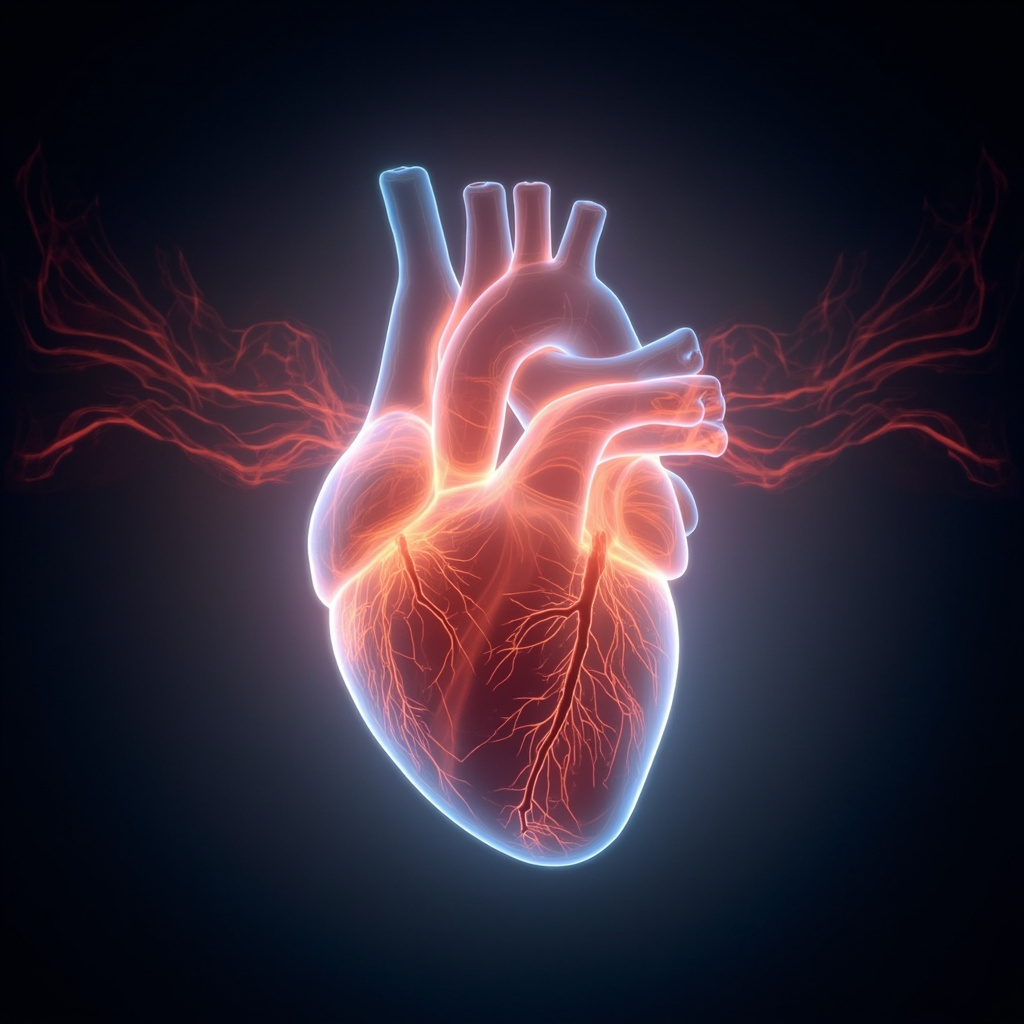
Protecting the Heart's Sanctuary
The pericardium is a simple yet vital sac around the heart. Picture it as a double-layered pouch that cradles the heart like a gentle hammock. It keeps the heart safe from rubbing against nearby tissues during every beat. It also holds the heart steady in the chest, preventing too much movement that could disrupt its rhythm.
In everyday terms, think of the pericardium as the heart's bodyguard. When healthy, it lets the heart pump blood smoothly, supporting your energy and vitality. For more details, see the pericardium glossary.
Pericardium in Traditional Chinese Medicine
In Traditional Chinese Medicine (TCM), the pericardium works closely with the heart. It belongs to the fire element and relates to the Heart meridian. Its main job is to protect the shen-your spirit and emotional center housed in the heart-from outside threats.
TCM views the body as a flow of qi, the life energy moving through meridians, invisible channels like rivers. The pericardium ensures qi circulates freely around the heart. It acts as a shield against pathogenic factors like heat, wind, or emotional shocks that could invade and cause imbalance.
- Physical protection: Limits heart motion, reduces friction.
- Energetic role: Guards qi flow to maintain yin-yang harmony.
- Five elements link: As fire, it nurtures joy and relationships while preventing excess heat.
Emotional Ties to the Pericardium
Emotions run deep in TCM. The pericardium safeguards the heart from pain, much like emotional armor. When out of balance, you might feel vulnerable, fearful of hurt, or weighed down by past trauma.
Common signs include:
- Chest discomfort or tightness.
- Shortness of breath.
- A sense of emotional exposure, like your heart is unguarded.
These feelings can create a cycle: stress tightens the pericardium, restricting qi and worsening physical symptoms. Conversely, physical issues like inflammation (pericarditis) or fluid buildup (effusion) can stir emotional unrest.
Signs of Imbalance and Support
Imbalance might show as:
- Chest pain or pressure, especially with deep breaths.
- Difficulty breathing or fatigue from poor heart efficiency.
- Emotional patterns: fear of intimacy, holding grudges, or sudden anxiety.
In severe cases, it leads to conditions where fluid presses on the heart (tamponade), dropping energy output. TCM sees this as blocked qi or invaded meridians.
To restore harmony:
- Gentle movements like qigong to open the chest.
- Breathing exercises to soothe fire element.
- Foods that cool heat: mung beans, cucumber, or mint tea.
Pericardium as a Resource for Balance
A strong pericardium supports the whole body. It provides emotional stability, letting organs like the liver (emotions) and lungs (grief) work without interference.
When called upon:
- It stabilizes the heart's rhythm, aiding circulation.
- Facilitates qi and information flow for overall health.
- Shields during stress, preserving jing (essence) and vitality.
In practice, TCM practitioners assess related biomarkers for energy levels, agitation, and meridian links. This guides ways to resonate with the pericardium's natural frequencies, promoting protection and flow.
Bringing Harmony to Your Core
Nurturing the pericardium fosters a protected heart-physically robust and emotionally resilient. It invites joy, boundaries in relationships, and steady qi. By honoring this shield, you align body, mind, and spirit in true TCM wisdom.
Feel the pericardium's gentle embrace. Let it remind you: protection is key to vibrant living.
Related posts
Glossary
- Energy and mind Structures > Fire
- Energy and mind Structures > Meridians
- Body zones > lungs
- Body zones > pericardium
- Body zones > tissues
- Body zones > chest
- Energy and mind Structures > Organs
- TCM Recipes > Circulation: Boost Energy and Warm Your Extremities
- TCM Recipes > Liver Health: A TCM Recipe for Balance and Calm
- TCM Recipes > Heart Health: Remedies for Anxiety and Palpitations
- TCM Recipes > Boost Your Energy: A TCM Recipe for Fatigue Relief
- Energy and mind Structures > vitality
- Energy and mind Structures > movement
- Energy and mind Structures > Stress
- Stimuli > Moon - Nasal Passage, Breathing, Taste
- Stimuli > Pain
- Binaural beats > Inflammation Relief: Heal Faster with Binaural Beats
- Binaural beats > Trauma Healing: Binaural Beats for Emotional Balance
- Stimuli > Harmony
- Stimuli > Blood
see also...
- Energy and mind Structures > HRV
- Energy and mind Structures > Body zones > substantia nigra
- Energy and mind Structures > TCM Recipes > Tension Headache Relief: A Natural Approach to Ease Stress
- Testimonials > 61% Drop in Nausea and 58% in Headaches from Sound Therapy
- Binaural beats > Stimuli > Variolinum
- Binaural beats > Trauma Healing: Binaural Beats for Emotional Balance