


Duodenum Muscles: TCM Digestion Control Path
Vital Role in Digestion
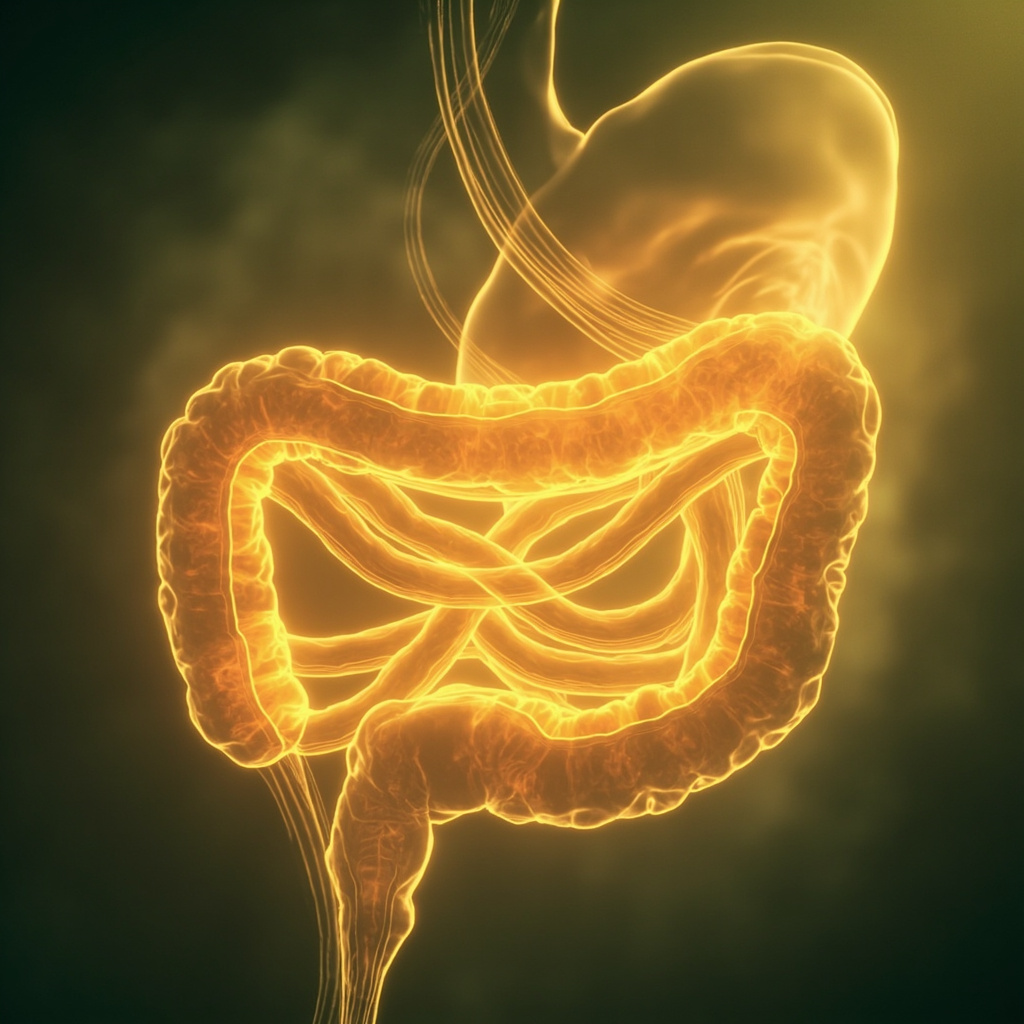
The duodenum muscles, found in the first part of the small intestine just below the stomach, play a key role in healthy digestion. These smooth muscles contract in a rhythmic pattern to mix partially digested food from the stomach with enzymes and bile. This action propels the mixture forward, allowing the body to absorb vital nutrients. When working well, they ensure steady energy supply to all organs. For more on these muscles, see the glossary.
In Traditional Chinese Medicine (TCM), the small intestine, including the duodenum, separates the pure from the impure. It refines nutrients while discarding waste, much like the muscles churn and advance contents smoothly.
Signs of Imbalance
If duodenum muscles falter, digestion slows. This leads to duodenal dysmotility or related issues like gastroparesis. Common symptoms include nausea, vomiting, bloating, and poor nutrient uptake. You might feel full after small meals or experience ongoing discomfort.
From a TCM view, these problems often stem from qi stagnation in the Spleen and Stomach channels. The Spleen governs transformation and transport of food essence, while the Stomach receives and ripens food. Weak muscle action disrupts this flow, creating dampness or heat that blocks smooth movement.
Emotional Connections
Emotions deeply influence digestion in TCM. Duodenum muscles issues can reflect feelings of powerlessness, lack of control, or trouble accepting life events. Stress and anxiety tighten the gut, much as unresolved conflicts hinder emotional processing.
The small intestine meridian links to mental clarity. It discerns clear thoughts from confusion, paired with the Heart in the fire element. When imbalanced, you may struggle to separate useful insights from emotional clutter, mirroring physical digestion blocks. Joy flows freely in harmony, but excess worry or fear stiffens muscles.
Qi Flow and Five Elements
TCM sees the duodenum within the earth element domain of Spleen and Stomach. Smooth qi circulation here supports overall vitality. Blockages create dampness, leading to bloating, or heat, causing inflammation.
The Small Intestine meridian runs along the arm, influencing gut motility indirectly through autonomic balance. Yin-yang harmony keeps muscles relaxed yet strong-yin for nourishment, yang for propulsion.
Using Duodenum Muscles as a Resource
When balanced, these muscles aid the whole body. They enhance nutrient delivery, boosting organ function and easing stress on the system. In TCM practice, calling on them as a resource strengthens digestion, providing steady energy and calming related tension.
For example, if liver qi overacts on the Spleen, causing stagnation, harmonizing duodenum muscles restores flow. This supports emotional resilience, turning vulnerability into grounded strength.
Paths to Harmony
TCM offers gentle ways to support duodenum muscles:
- Acupuncture: Points like ST36 (Leg Three Mile) and SP6 boost motility and reduce inflammation. Recent studies show electroacupuncture eases low-grade duodenal issues in functional dyspepsia by calming inflammatory pathways.
- Herbs: Formulas like Bao He Wan aid digestion, clearing dampness and tonifying Spleen qi.
- Diet: Warm, easy-to-digest foods like congee nurture the Stomach. Avoid cold, greasy items that burden muscles.
- Qigong: Gentle abdominal breathing enhances qi movement, relaxing muscles.
By addressing root causes-qi flow, emotions, organ links-you reclaim digestive ease and inner control. Balanced duodenum muscles foster not just physical comfort but emotional flow, aligning body and mind in harmony.
- 1. westendwellness.ca
- 2. journals.lww.com
- 3. albanacupuncture.com
- 4. orientalremediesgroup.com
- 5. medcraveonline.com
- 6. journals.sagepub.com
- 7. researchgate.net
- 8. advancedholisticcenter.com
- 9. iwholehealth.com
- 10. calandraacupuncture.com
- 11. frontiersin.org
- 12. pmc.ncbi.nlm.nih.gov
- 13. youtube.com
- 14. meridianhealthcare.net
- 15. sciencedirect.com
- 16. pubmed.ncbi.nlm.nih.gov
- 17. pmc.ncbi.nlm.nih.gov
- 18. verywellmind.com
- 19. artofchinesehealing.com
- 20. pmc.ncbi.nlm.nih.gov
- 21. medsci.org
- 22. miraclesworldwide.com
- 23. anandadhwani.com
- 24. acupuncturema.com
- 25. hopkinscim.org
- 26. meandqi.com
- 27. frontiersin.org
- 28. sciencedirect.com
- 29. pmc.ncbi.nlm.nih.gov
- 30. acupuncturekelowna.com
- 31. drdanwool.com
- 32. emw.sg
- 33. aimin.com.sg
- 34. naturalchoicemedicalclinic.com
- 35. pmc.ncbi.nlm.nih.gov
- 36. torbay-acupuncture-centre.co.uk
- 37. theromefoundation.org
- 38. functionalkinesiology.co.uk
- 39. anatomypubs.onlinelibrary.wiley.com
- 40. infinityflexibility.com
- 41. giovanni-maciocia.com
- 42. eacuwell.com
- 43. hendersonhealinghub.com
- 44. sciencedirect.com
Related posts
Glossary
- Energy and mind Structures > Mental
- Energy and mind Structures > Fire
- Energy and mind Structures > Stagnation
- Body zones > muscles
- Body zones > muscles
- Energy and mind Structures > Organs
- Energy and mind Structures > ST36
- TCM Recipes > Digestive Relief: A Simple Guide to Ease Bloating & Indigestion
- TCM Recipes > Circulation: Boost Energy and Warm Your Extremities
- TCM Recipes > Stomach Health: Natural Remedies for Digestive Issues
- TCM Recipes > Stress Relief: A Simple Guide to Calm and Sleep
- Energy and mind Structures > vitality
- Energy and mind Structures > movement
- Energy and mind Structures > Digestion
- Energy and mind Structures > Stress
- Stimuli > Moon - Nasal Passage, Breathing, Taste
- Binaural beats > Inflammation Relief: Heal Faster with Binaural Beats
- Stimuli > Harmony
see also...
- Energy and mind Structures > HRV
- Energy and mind Structures > Body zones > muscles
- Energy and mind Structures > TCM Recipes > Stress Relief: A Simple Guide to Calm and Sleep
- Testimonials > 61% Drop in Nausea and 58% in Headaches from Sound Therapy
- Binaural beats > Stimuli > Sacral, Zinc Etc
- Binaural beats > Desensitizer: Boost Your Energy and Focus Effectively