


Blood Pressure Sympathetic Control: Stress Balance Ally
What is Blood Pressure Sympathetic Control?
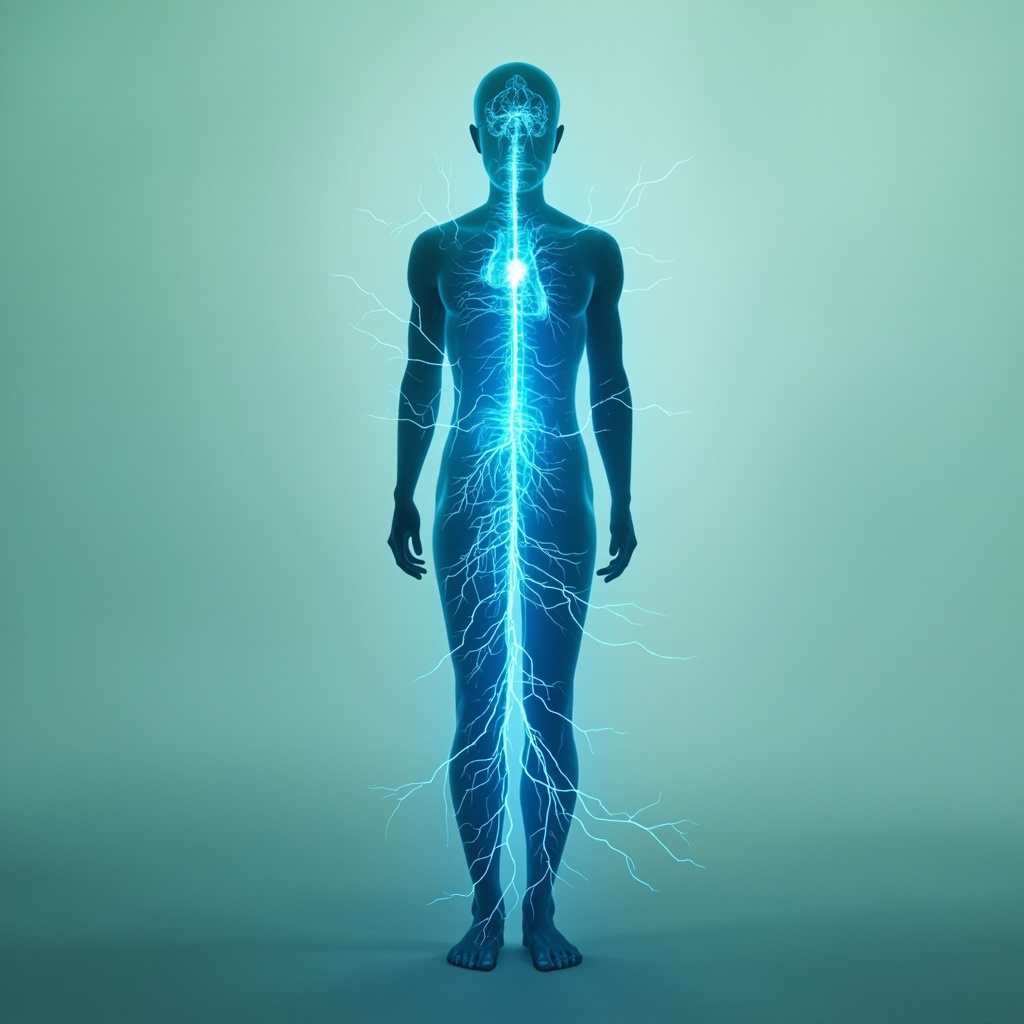
Your body has a built-in system to manage blood pressure, especially when facing stress or physical demands. This blood pressure sympathetic control is part of the autonomic nervous system, located mainly in the brainstem and spinal cord. It works by tightening blood vessels and adjusting heart rate to keep pressure stable. Think of it as your inner guardian that responds quickly to keep blood flowing right where it's needed.
In everyday life, this control ensures oxygen and nutrients reach your organs efficiently. During exercise or a tense moment, it ramps up to support you, then eases back for rest.
How It Maintains Balance
When everything functions well, this control prevents sudden drops or spikes in blood pressure. It coordinates with the heart and vessels to deliver steady flow. For example:
- During activity: It constricts vessels slightly to push blood faster.
- In stress: It supports alertness without overwhelming the system.
Healthy control links to overall vitality, helping organs like the heart and brain stay nourished.
Signs of Imbalance
If this control falters, problems arise. Common issues include:
- High blood pressure (hypertension): Vessels stay too tight, straining the heart.
- Low blood pressure (hypotension): Poor response leads to dizziness or fatigue.
- Fluctuations: Pressure swings that leave you feeling unsteady.
Recent studies, like one from MD Anderson in 2025, show overactive sympathetic nerves drive hypertension by keeping the system in high alert. Chronic issues can burden the cardiovascular system and contribute to fatigue or poor recovery.
The Emotional Connection
Emotions play a big role here. Feelings of fear, ongoing stress, or constant threat can overactivate this control. It's like your body staying in 'fight or flight' mode too long. Unresolved tensions signal danger, tightening vessels and raising pressure.
As a naturopath, I see this often in people with high-stress lives. The body interprets emotional pressure as physical, leading to imbalances in stress hormones and energy flow. Supporting emotional calm helps this system reset.
Blood Pressure Sympathetic Control as a Resource
When balanced, it becomes a powerful ally. It ensures optimal blood flow to other organs during challenges, boosting their function. For instance:
- It aids the brain for clear thinking under pressure.
- Supports immunity by delivering defenses efficiently.
- Enhances detoxification by maintaining circulation for liver and kidneys.
In natural healing, we view it as a supporter of whole-body harmony.
Natural Ways to Support It
Gentle, everyday practices can nurture this control, drawing from naturopathic wisdom:
- Stress reduction: Deep breathing or meditation activates rest responses, calming sympathetic overdrive. Even 10 minutes daily lowers pressure.
- Movement: Regular walks or yoga balance the nervous system without excess strain.
- Nourishing diet: Foods rich in potassium like bananas and greens ease vessel tension. Cut back on salt to reduce load.
- Herbs for calm: Adaptogens such as ashwagandha or hawthorn support stress resilience and heart health.
- Rest and recovery: Quality sleep allows reset, vital for autonomic balance.
Monitor how you feel-less tension, steadier energy signals progress. Lifestyle ties into biomarkers of stress and vitality, guiding personalized care.
Path to Vitality
Tuning into blood pressure sympathetic control fosters resilience. By addressing stress and emotions naturally, you empower your body's healing intelligence. This leads to smoother energy, better detox, and stronger immunity. Small steps build lasting balance for mind and body.
- 1. coursehero.com
- 2. heart.org
- 3. quizlet.com
- 4. health.harvard.edu
- 5. dulyhealthandcare.com
- 6. my.clevelandclinic.org
- 7. pnas.org
- 8. brocku.ca
- 9. pmc.ncbi.nlm.nih.gov
- 10. ahajournals.org
- 11. nature.com
- 12. journals.physiology.org
- 13. pcna.net
- 14. ahajournals.org
- 15. pmc.ncbi.nlm.nih.gov
- 16. shdc.com.au
- 17. pmc.ncbi.nlm.nih.gov
- 18. uoguelph.ca
- 19. hopkinsmedicine.org
- 20. bayfronthealth.com
- 21. mayoclinic.org
- 22. mdanderson.org
- 23. torrancememorial.org
- 24. samhealth.org
- 25. cedars-sinai.org
- 26. mayoclinic.org
- 27. academic.oup.com
- 28. sciencedirect.com
- 29. ahajournals.org
- 30. mun.ca
- 31. healthpartners.com
- 32. studocu.com
Related posts
Glossary
- Energy and mind Structures > oxygen
- Energy and mind Structures > potassium
- Energy and mind Structures > Drive
- Energy and mind Structures > Immunity
- Body zones > Blood pressure sympathetic control
- Body zones > hormones
- Body zones > kidneys
- Body zones > nerves
- Energy and mind Structures > Organs
- TCM Recipes > Circulation: Boost Energy and Warm Your Extremities
- TCM Recipes > Hypertension: Remedies for High Blood Pressure Relief
- TCM Recipes > Liver Health: A TCM Recipe for Balance and Calm
- TCM Recipes > Heart Health: Remedies for Anxiety and Palpitations
- TCM Recipes > Brain Boost: Clear Fog, Improve Focus & Memory
- TCM Recipes > Boost Your Energy: A TCM Recipe for Fatigue Relief
- Energy and mind Structures > sleep
- Energy and mind Structures > vitality
- Energy and mind Structures > blood pressure
- Energy and mind Structures > Theta; 4.31-6.97 Hz. Light sleep, meditation.
- Energy and mind Structures > Stress
- Stimuli > GSTM1, Detoxification
- Stimuli > Moon - Nasal Passage, Breathing, Taste
- Stimuli > AIDS
- Binaural beats > Spinal Cord Support: Enhance Wellness and Emotional Balance
- Binaural beats > Nervous System: A Program for Emotional Balance and Relaxation
- Binaural beats > Blood Vessels & Arteries: Boost Circulation & Well-Being
- Stimuli > Harmony
- Stimuli > Blood
see also...
- Energy and mind Structures > HRV
- Energy and mind Structures > Body zones > plasma
- Energy and mind Structures > TCM Recipes > Tension Headache Relief: A Natural Approach to Ease Stress
- Binaural beats > Stimuli > Variolinum
- Binaural beats > Blood Vessels & Arteries: Boost Circulation & Well-Being
- Testimonials > 61% Drop in Nausea and 58% in Headaches from Sound Therapy