


Japanese Allergy Relief 2: Nutrition for Relief
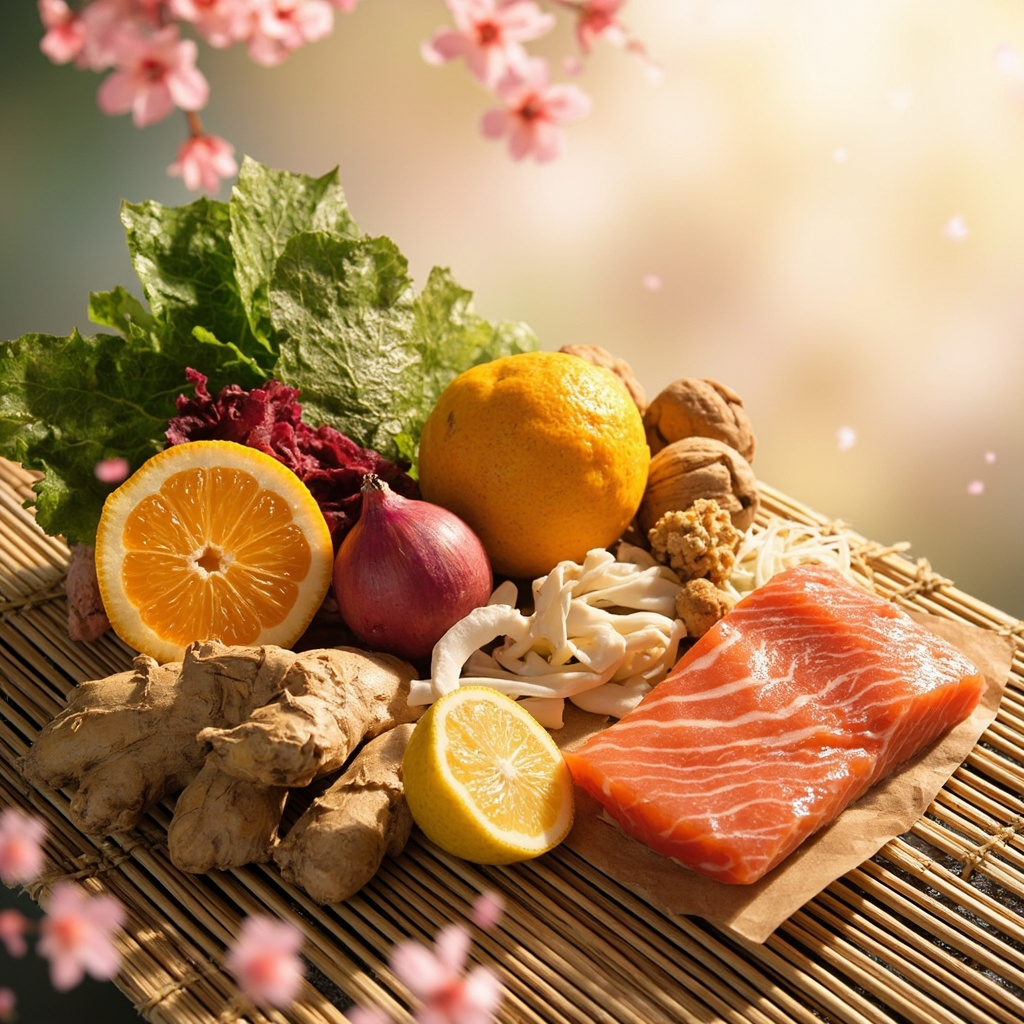
:Spring brings blooming flowers, but for many, it also means sneezing fits, itchy eyes, and constant discomfort from seasonal allergies. Japanese Allergy Relief 2 offers a gentle approach rooted in Japanese traditions. It focuses on harmony in the neck, kidneys, lower abdomen, stomach, and head to ease these symptoms. As a nutritionist, I translate body signals into food choices that calm inflammation, boost kidney strength, and support smooth digestion.
Key Body Areas and Their Needs
This pattern highlights specific zones:
- Neck (TH16 Tianyou): Eases tension and allergy responses in the upper body.
- Kidneys (KI24 Lingxu): Builds resilience against stress and fatigue.
- Lower Abdomen (BV2 Tianshu): Promotes gut flow and reduces bloating.
- Stomach (CV13 Shangwan): Regulates digestion for better nutrient absorption.
- Head (La5 Xuanlu): Clears irritation for sharper focus and less itching.
These areas often show imbalances during allergy season, linked to histamine release and weak defenses. Nutrition steps in to restore calm.
Foods to Strengthen Kidneys and Energy
Kidneys act like a reserve battery for the body. When strained by allergies, they need mineral-rich foods:
- Black sesame seeds and walnuts: Packed with healthy fats and zinc for immune support.
- Seaweed and black beans: Provide trace minerals to tonify kidneys.
- Onions, garlic, and leeks: Warm the system and fight inflammation.
Start your day with a smoothie blending walnuts, black beans, and a touch of seaweed. These choices help sustain energy and reduce fatigue from constant sneezing.
Gut and Digestion Boosters
A balanced gut microbiome curbs overactive immune responses. For stomach and abdomen harmony:
- Ginger and fennel teas: Soothe the stomach and cut nausea.
- Cooked grains like oats or quinoa porridge: Easy to digest, warm the middle.
- Probiotic foods such as kefir or sauerkraut: Foster good bacteria.
Avoid cold drinks, ice cream, and raw salads, which burden digestion. Warm, cooked meals keep things flowing smoothly, lessening sinus pressure and eye itch.
Anti-Inflammatory Powerhouses for Allergies
Target sneezing and itchy eyes with natural antihistamines and antioxidants:
- Vitamin C stars: Citrus fruits, bell peppers, strawberries, broccoli. They lower histamine and ease symptoms.
- Quercetin sources: Onions, apples, parsley. Act as natural blockers for allergy triggers.
- Omega-3 allies: Walnuts, flaxseeds, salmon. Dial down swelling.
- Turmeric with black pepper: Boosts curcumin absorption for nasal relief.
- Pineapple: Bromelain enzyme breaks down mucus.
Incorporate these daily. A lunch salad with onions, bell peppers, and salmon provides broad protection.
Meal Ideas for Allergy Season
Breakfast: Oat porridge with black sesame, strawberries, and ginger.
Lunch: Quinoa bowl with broccoli, onions, walnuts, and turmeric dressing.
Snack: Apple slices with kefir or pineapple chunks.
Dinner: Baked salmon, cooked carrots, enoki mushrooms, and warm fennel soup.
These meals support all focus areas, aligning nutrition with body needs.
Why Nutrition Matters for Allergy Balance
Allergies stem from inflammation and gut-kidney links. Stress weakens digestion, worsening symptoms. By choosing warming, anti-inflammatory foods, you build resilience. Track how you feel – less sneezing means better sleep and vitality. Biomarkers like mineral levels and gut markers guide personalization. Small changes yield big relief, fostering overall well-being.
- 1. en.wikipedia.org
- 2. liveoakacupuncture.com
- 3. thehouseofacupuncture.co.nz
- 4. flonase.com
- 5. adventhealth.com
- 6. webmd.com
- 7. novanthealth.org
- 8. entandallergy.com
- 9. southfloridasinusandallergy.com
- 10. acuboulder.com
- 11. cigna.com
- 12. pmc.ncbi.nlm.nih.gov
- 13. ubiehealth.com
- 14. sinusandallergywellnesscenter.com
- 15. acupuncture.com
- 16. sciencedirect.com
- 17. meandqi.com
- 18. drmatorin.com
- 19. woninstitute.edu
- 20. sciencedirect.com
- 21. vibrant-wellness.com
- 22. chinesehospital-sf.org
- 23. webmd.com
- 24. baltimoresinusspecialists.com
- 25. cherryblossomhealingarts.com
- 26. health.clevelandclinic.org
- 27. carb-tcmpa.org
- 28. taoofwellness.com
- 29. chiro.org
- 30. nccih.nih.gov
- 31. essenceacupuncturewellness.com
- 32. colorado.edu
- 33. memorialhermann.org
- 34. herbalgram.org
- 35. yasminhodgeacupuncture.co.uk
- 36. youtube.com
- 37. pubmed.ncbi.nlm.nih.gov
- 38. acaacupuncture.com
- 39. bswhealth.com
- 40. mindfullivingpittsburgh.com
- 41. orientalremediesgroup.com
- 42. mastertungacupuncture.org
- 43. tamietreatment.com
- 44. pubmed.ncbi.nlm.nih.gov
- 45. tsujimotomarket.com
- 46. sciencedirect.com
- 47. nricm.edu.tw
- 48. calandraacupuncture.com
- 49. youtube.com
- 50. mayoclinic.org
- 51. qfc.com
- 52. nature.com
- 53. pmc.ncbi.nlm.nih.gov
- 54. pmc.ncbi.nlm.nih.gov
- 55. facebook.com
- 56. emersonhealth.org
- 57. kampomedicine.com
- 58. ancientwatersacupuncture.com.au
- 59. acupuncturenw.com
- 60. annallergy.org
- 61. lakewoodacupuncture.org
- 62. goodrx.com
- 63. caageorgia.com
Related posts
Glossary
- Energy and mind Structures > Focused Coherence; Focus
- Body zones > head
- Body zones > kidneys
- Body zones > eyes
- TCM Recipes > Allergy Relief Tea: Soothing Brew for Seasonal Allergies
- TCM Recipes > Sinus Relief: Simple Remedies for Congestion & Pain
- TCM Recipes > Allergy Relief: Natural Solutions for Respiratory Comfort
- TCM Recipes > Japanese Allergy Relief: Natural Help for Seasonal Allergies
- TCM Recipes > Stomach Health: Natural Remedies for Digestive Issues
- TCM Recipes > Kidney Health: Boost Energy and Relieve Back Pain
- TCM Recipes > Boost Your Energy: A TCM Recipe for Fatigue Relief
- Energy and mind Structures > sleep
- Energy and mind Structures > vitality
- Energy and mind Structures > Digestion
- Energy and mind Structures > Stress
- Stimuli > Fennel
- Stimuli > Ginger
- Stimuli > Sneezing
- Binaural beats > Allergy Relief: Binaural Beats for Immune Balance
- Binaural beats > Inflammation Relief: Heal Faster with Binaural Beats
- Stimuli > Zinc
- Stimuli > Harmony
see also...
- Energy and mind Structures > HRV
- Energy and mind Structures > Body zones > eyes
- Energy and mind Structures > TCM Recipes > Tension Headache Relief: A Natural Approach to Ease Stress
- Binaural beats > Stimuli > Sacral, Zinc Etc
- Binaural beats > Desensitizer: Boost Your Energy and Focus Effectively
- Testimonials > 61% Drop in Nausea and 58% in Headaches from Sound Therapy