


Dust Mite Allergy: Fiber & Probiotic Relief
Understanding Dust Mite Allergy
Dust mite allergy affects millions, triggering sneezing, runny nose, itchy eyes, and cough from tiny creatures in household dust. These indoor allergens thrive in bedding, carpets, and upholstery, especially in humid environments. Symptoms often worsen at night, disrupting sleep and daily comfort. For many, it links to broader issues like eczema or asthma.
In body scans like those used in BioCoherence, dust mite allergy appears as a biomarker showing electrical imbalances in respiratory and immune responses. This highlights energy shifts in nasal passages, lungs, and skin barriers, guiding targeted support.
Why Nutrition Matters
Your gut health plays a big role in allergies. An imbalanced microbiome can heighten inflammation, making you more reactive to allergens. Recent studies show diet influences this directly. A 2024 cross-sequential study of over 13,000 young adults found high-fiber intake cut house dust mite allergy risk by about 10% (adjusted odds ratio 0.895) and atopic dermatitis by 17% (AOR 0.831). Frequent probiotics amplified these benefits, especially when paired with fiber.
Fiber feeds good gut bacteria, strengthens skin barriers, and lowers chronic inflammation. Probiotics restore microbial balance, calming overactive immune responses. Together, they reduce allergen penetration and histamine release.
High-Fiber Foods for Daily Defense
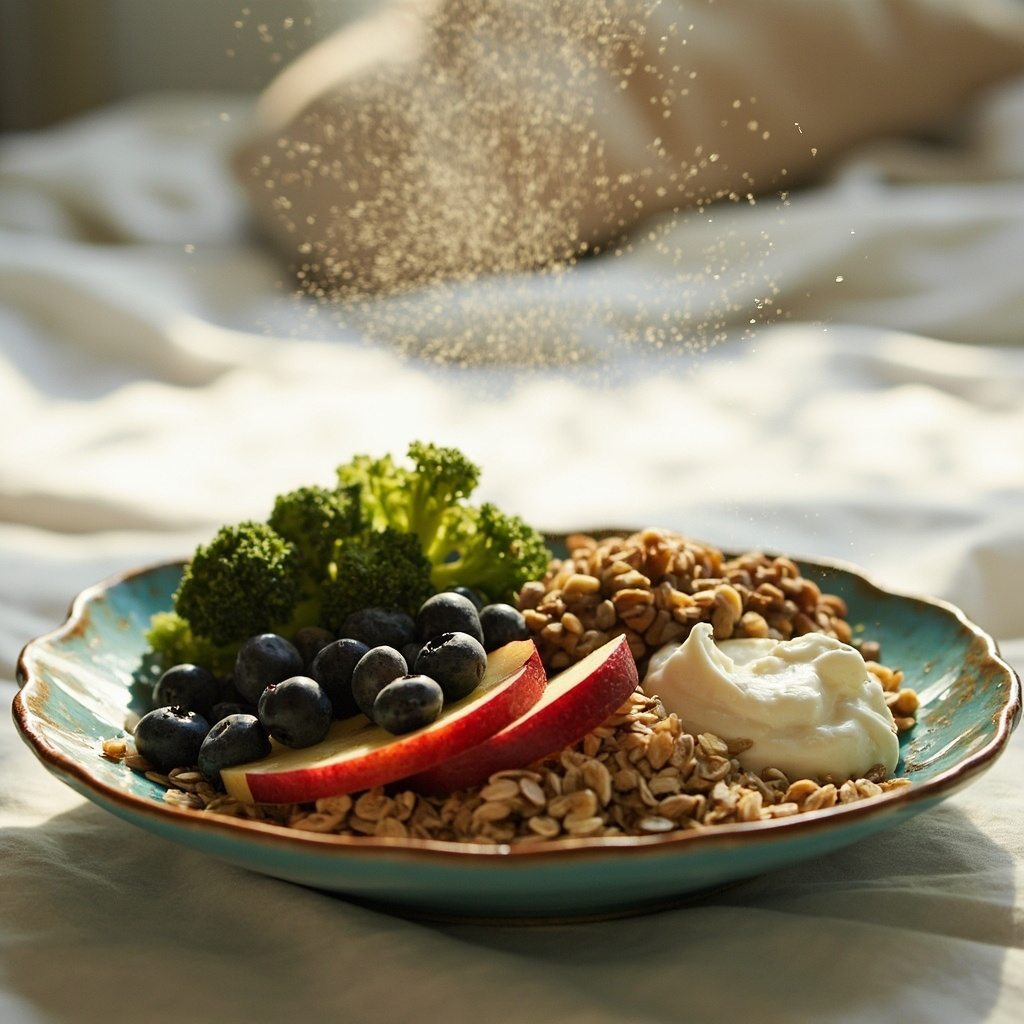
Aim for high fiber from varied sources: fruits, vegetables, whole grains, legumes, nuts, and cereals. The study defined high intake as around 98 grams per serving per week, roughly 14 grams daily for average diets.
- Fruits: Apples, pears, berries, bananas (with skin where possible).
- Vegetables: Broccoli, carrots, Brussels sprouts, leafy greens.
- Grains: Oats, quinoa, brown rice, whole wheat bread.
- Legumes: Lentils, chickpeas, beans, peas.
- Nuts and seeds: Almonds, chia seeds, flaxseeds.
Start with oatmeal breakfasts, bean salads, or fruit smoothies. Gradually increase to avoid bloating, and drink plenty of water.
Probiotic Powerhouses
Probiotics from yogurt drinks or fermented foods support gut allies. The study noted benefits from consuming them once or twice weekly or more, like Yakult or similar.
- Yogurt and kefir: Plain, live-culture versions.
- Fermented veggies: Sauerkraut, kimchi, pickles.
- Other: Miso, tempeh, kombucha.
Greek yogurt with berries combines probiotics and fiber perfectly.
Synergy: Fiber Meets Probiotics
The magic happens in combination. Moderate-to-high fiber with frequent probiotics slashed atopic dermatitis risk by 28% (AOR 0.717) and house dust mite allergy by 14% (AOR 0.865). Fiber also counters excesses from high-fat or high-protein diets, stabilizing metabolism and reducing inflammation markers like C-reactive protein.
Supporting Nutrients
Complement with anti-inflammatory allies:
- Vitamin C: Citrus, bell peppers, strawberries (natural antihistamine).
- Omega-3s: Salmon, walnuts, flaxseeds (reduce airway swelling).
- Quercetin: Onions, apples, capers (stabilizes immune cells).
These address nutrient gaps seen in allergy biomarkers, boosting energy and gut function.
Practical Steps to Start
- Track intake: Use a food diary to hit fiber goals.
- Meal ideas: Veggie stir-fry with quinoa; lentil soup; yogurt parfait.
- Lifestyle pair: Reduce home humidity below 50%, wash bedding hot weekly.
- Monitor: Note symptom changes over weeks.
Nutrition empowers your body to handle dust mites better. By focusing on gut-friendly foods, you build resilience from within. This approach aligns with biomarker insights for metabolism and inflammation balance.
(Word count: 612)
- 1. pmc.ncbi.nlm.nih.gov
- 2. clinicaltrials.gov
- 3. pmc.ncbi.nlm.nih.gov
- 4. sleepandsinuscenters.com
- 5. idustmite.com
- 6. journals.lww.com
- 7. eczemalife.com
- 8. medschool.pitt.edu
- 9. idustmite.com
- 10. entandallergy.com
- 11. pmc.ncbi.nlm.nih.gov
- 12. hartfordhealthcarerehabnetwork.org
- 13. pubmed.ncbi.nlm.nih.gov
- 14. chop.edu
- 15. metagenics.com.au
- 16. pmc.ncbi.nlm.nih.gov
- 17. pmc.ncbi.nlm.nih.gov
- 18. healthline.com
- 19. sciencedirect.com
- 20. allergyasthmanetwork.org
- 21. pmc.ncbi.nlm.nih.gov
- 22. healthlinkbc.ca
- 23. pmc.ncbi.nlm.nih.gov
- 24. pubmed.ncbi.nlm.nih.gov
- 25. allergychoices.com
- 26. mdpi.com
- 27. youtube.com
- 28. asthma.ca
- 29. mayoclinic.org
- 30. idustmite.com
- 31. mayoclinic.org
- 32. pubmed.ncbi.nlm.nih.gov
- 33. medicalnewstoday.com
- 34. stvincents.org
- 35. store.mayoclinic.com
- 36. kroger.com
- 37. goodrx.com
- 38. mayoclinic.org
- 39. idustmite.com
- 40. abinscience.com
- 41. frontierallergist.com
- 42. drmatorin.com
- 43. bswhealth.com
- 44. frontiersin.org
- 45. pmc.ncbi.nlm.nih.gov
- 46. my.clevelandclinic.org
- 47. bbcgoodfood.com
- 48. facebook.com
- 49. pmc.ncbi.nlm.nih.gov
- 50. finance.yahoo.com
- 51. newsnetwork.mayoclinic.org
- 52. mayoclinicproceedings.org
- 53. mayoclinic.org
- 54. experiencelife.lifetime.life
Related posts
Glossary
- Energy and mind Structures > Water
- Body zones > lungs
- Body zones > nose
- Body zones > respiratory
- Body zones > eyes
- TCM Recipes > Cough Relief: A Simple TCM Recipe for Chest Tightness
- TCM Recipes > Breathe Easy: Relief for Asthma Symptoms
- TCM Recipes > Dust Mite Allergy: Remedies for Relief from Symptoms
- TCM Recipes > Allergy Relief: Natural Solutions for Respiratory Comfort
- TCM Recipes > Skin Health: Remedies for Acne and Eczema
- Energy and mind Structures > sleep
- Stimuli > Sneezing
- Stimuli > Eczema
- Binaural beats > Chronic Inflammation: Healing Through Sound Frequencies
- Binaural beats > Allergy Relief: Binaural Beats for Immune Balance
- Binaural beats > Inflammation Relief: Heal Faster with Binaural Beats
- Stimuli > GAPDH, Metabolism