


Carbohydrate Metabolism: Nutrition for Blood Sugar Balance
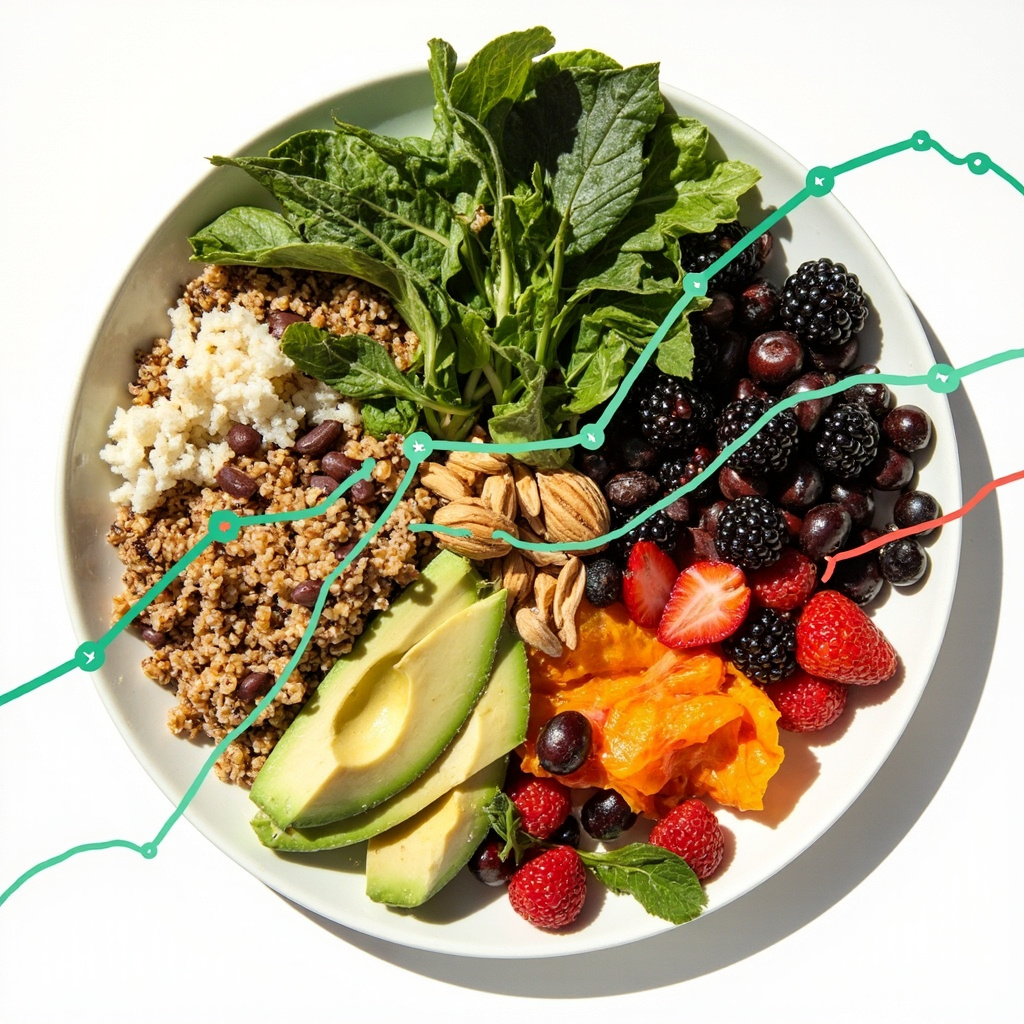
What Happens in Carbohydrate Metabolism Disorder?
Your body turns carbohydrates from food into glucose, the main fuel for your cells. Insulin helps move this glucose into cells for energy. When carbohydrate metabolism is out of balance, glucose builds up in the blood instead. This leads to energy dips, fatigue, and over time, issues like weight gain or insulin resistance.
Think of it as a traffic jam in your bloodstream. Carbs arrive too fast, but the system can't clear them efficiently. Common culprits include refined sugars and processed grains that spike blood sugar quickly.
Common Signs of Imbalance
Watch for these everyday clues:
- Sudden tiredness after eating
- Intense sugar cravings
- Trouble concentrating mid-afternoon
- Weight lingering around the middle
- Frequent hunger even after meals
These signals often point to how your body processes carbs. Spotting them early lets you make supportive changes through diet.
Fresh Insights from Stanford Research
A 2025 study from Stanford Medicine, published in Nature Medicine, tested blood sugar responses to various carbs in real time. Researchers found people fall into metabolic subtypes based on spikes:
- Insulin resistant folks saw big rises from pasta and potatoes.
- Those with beta cell issues reacted strongly to potatoes.
- Everyone spiked after grapes, but beans linked to other metabolic markers.
Key takeaway: Pairing carbs with fiber, protein, or fat first blunts spikes, especially if you're metabolically healthy. For others, focus on carb quality matters more. This highlights personalized nutrition over one-size-fits-all.
Nutrition Strategies for Steady Blood Sugar
Support your metabolism with these proven approaches:
- Pick low-glycemic foods: These release sugar slowly. Aim for a mix of whole grains, veggies, and legumes.
- Eat protein and fat first: Start meals with eggs, nuts, or salad to slow carb absorption.
- Boost fiber intake: It acts like a brake on sugar rushes.
- Portion mindfully: Even healthy carbs in balance prevent overload.
Harvard's Nutrition Source echoes this: Low-glycemic load diets cut risks for diabetes and heart issues while aiding weight control.
Foods to Fuel Balance
Whole grains (slow-release energy):
- Oats: Great for breakfast porridge.
- Barley: Add to soups for chewy texture.
- Quinoa: Protein-packed seed, perfect for salads.
Legumes (fiber and protein combo):
- Lentils: Quick-cook for stews.
- Black beans: Versatile in bowls.
- Chickpeas: Roast for snacks.
Fruits and veggies (natural sweetness with fiber):
- Berries: Low spike, high antioxidants.
- Apples: Eat with skin for extra fiber.
- Leafy greens: Base for every meal.
Supportive add-ons:
- Nuts and seeds: Handful for satiety.
- Avocado: Healthy fat to pair with carbs.
- Fermented foods like yogurt: Aid gut health linked to metabolism.
Foods to Limit or Swap
Ease off these high-spike options:
- White bread → Whole grain.
- Sugary drinks → Herbal tea.
- French fries → Baked sweet potato.
- Candy → Fresh fruit.
A Day of Balanced Eating
Breakfast: Oatmeal with berries, nuts, and a boiled egg. Lunch: Quinoa salad with chickpeas, greens, feta, and olive oil. Snack: Apple slices with almond butter. Dinner: Grilled chicken, barley pilaf, steamed broccoli, and beans.
This keeps blood sugar even, curbing cravings and boosting focus.
Long-Term Benefits
Consistent choices improve insulin sensitivity, sustain energy, and support gut health. Over time, they ease stress on your pancreas and liver. Track how you feel-steady mood and vitality follow.
Small shifts yield big rewards. Your body thrives on quality carbs in harmony.
- 1. pmc.ncbi.nlm.nih.gov
- 2. researchgate.net
- 3. heart.org
- 4. sciencedirect.com
- 5. bryanhousepub.com
- 6. dovepress.com
- 7. nutritionsource.hsph.harvard.edu
- 8. pmc.ncbi.nlm.nih.gov
- 9. pnoe.com
- 10. youtube.com
- 11. healthline.com
- 12. myfood24.org
- 13. webmd.com
- 14. ncbi.nlm.nih.gov
- 15. sciencedirect.com
- 16. uhhospitals.org
- 17. youtube.com
- 18. semanticscholar.org
- 19. facebook.com
- 20. journals.lww.com
- 21. heart.org
- 22. eatingwell.com
- 23. frontiersin.org
- 24. mdpi.com
- 25. nhs.uk
- 26. diabetes.org
- 27. int.livhospital.com
- 28. columbiadoctors.org
- 29. health.clevelandclinic.org
- 30. encyclopedia.nm.org
- 31. nutritionsource.hsph.harvard.edu
- 32. pmc.ncbi.nlm.nih.gov
- 33. mdpi.com
- 34. medlineplus.gov
- 35. cdc.gov
- 36. extension.okstate.edu
- 37. frontiersin.org
- 38. onlinelibrary.wiley.com
- 39. allcarehealth.com
- 40. pmc.ncbi.nlm.nih.gov
- 41. nutrition-network.org
- 42. npthyroid.com
- 43. webmd.com
- 44. montagehealth.org
- 45. unitypoint.org
- 46. med.stanford.edu
Related posts
Glossary
- Energy and mind Structures > Focused Coherence; Focus
- TCM Recipes > Pancreas Health: Improve Digestion and Blood Sugar Balance
- TCM Recipes > Skin Health: Remedies for Acne and Eczema
- TCM Recipes > Liver Health: A TCM Recipe for Balance and Calm
- TCM Recipes > Heart Health: Remedies for Anxiety and Palpitations
- TCM Recipes > Carbohydrate Harmony: Balancing Blood Sugar Naturally
- TCM Recipes > Boost Your Energy: A TCM Recipe for Fatigue Relief
- Energy and mind Structures > vitality
- Energy and mind Structures > Stress
- Stimuli > Insulin
- Stimuli > Harmony
- Stimuli > Blood
- Stimuli > GAPDH, Metabolism