


Bronchi Mucosae: Nutrition for Protection
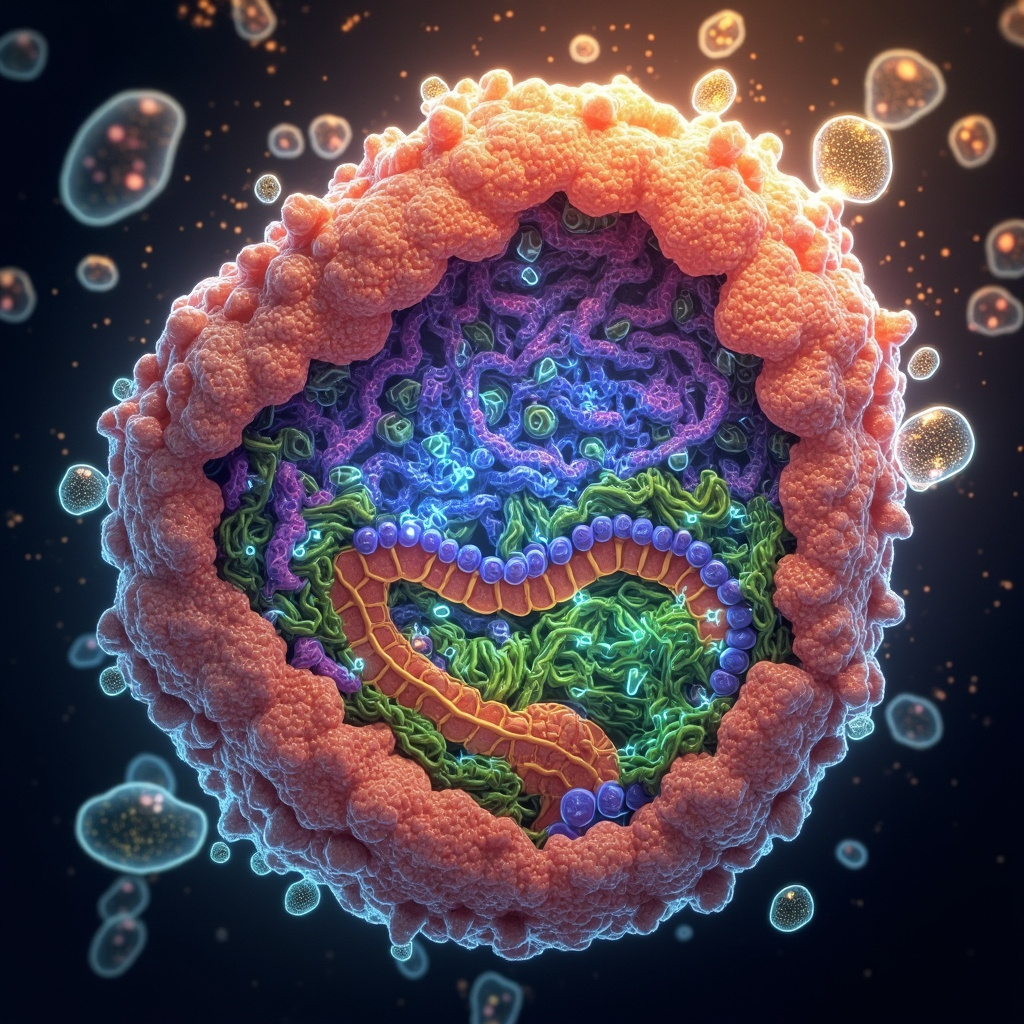
What Are Bronchi Mucosae?
Bronchi mucosae form the delicate, moist lining inside the smaller airways of your lungs. These tissues line the respiratory tract, creating a protective barrier. For more details, see the mucosae glossary.
Think of them as your lungs' front door security. They produce a thin layer of mucus that catches dust, germs, and irritants before they reach deeper lung tissue.
How They Keep You Breathing Easy
Healthy mucosae stay moist and flexible. The mucus they make acts like sticky tape, trapping invaders. Tiny hair-like structures called cilia then sweep this debris upward to be coughed out or swallowed.
This teamwork clears your airways naturally. When balanced, mucosae support clear breathing, strong immunity, and protection from everyday pollutants.
Signs of Mucosae Imbalance
If mucosae weaken, problems arise:
- Excess mucus: Thick phlegm that clogs airways, common in allergies or bronchitis.
- Inflammation: Red, swollen linings leading to coughs or wheezing.
- Infections: Easier entry for bacteria or viruses, raising illness risk.
- Dryness: Cracked tissues that invite irritants deeper.
These issues often link to low nutrient levels, stress, or poor gut health, which affects lung defenses through the body-wide network.
Key Nutrients for Strong Mucosae
Your diet directly fuels these linings. Focus on foods rich in protective compounds:
Vitamin A builds and repairs mucosal tissues. Without it, linings thin and crack.
- Carrots, sweet potatoes, spinach, liver.
Vitamin C boosts immune cells in the mucus and fights oxidative damage.
- Citrus fruits, bell peppers, strawberries, broccoli.
Vitamin E shields cells from inflammation caused by pollutants.
- Almonds, sunflower seeds, avocados, olive oil.
Omega-3 fatty acids calm airway swelling and support mucus flow.
- Salmon, mackerel, walnuts, flaxseeds.
Zinc strengthens immune barriers and mucus production.
- Pumpkin seeds, chickpeas, lean meats, oysters.
Incorporate these daily. A colorful plate with veggies, fruits, nuts, and fatty fish covers the bases. Stay hydrated too-water keeps mucus thin and movable.
Stress, Emotions, and Mucosae Health
Bronchi mucosae connect to feelings of personal boundaries and protection. When life feels invasive-like crowded spaces or emotional pressures-mucosae may overreact with more mucus or tightness.
Stress disrupts digestion and nutrient uptake, worsening this. Support with magnesium-rich foods (leafy greens, bananas) and B vitamins (eggs, whole grains) to ease tension and aid absorption.
Balanced mucosae signal emotional safety, helping you feel secure and open.
Mucosae as Your Body's Ally
When nourished, these linings serve as a resource for the whole body. They trap threats, moisten tissues, and alert you to imbalances. Strong mucosae enhance lung recovery, reduce infection odds, and promote steady energy.
Track how foods affect your breathing. Notice clearer airways after omega-3 meals or fewer coughs with vitamin C boosts? Small changes build lasting resilience.
Prioritize these nutrients for resilient airways and inner calm. Your lungs thank you with every easy breath.
- 1. arxiv.org
- 2. news.cornell.edu
- 3. kauveryhospital.com
- 4. pmc.ncbi.nlm.nih.gov
- 5. healthline.com
- 6. lifespringhomenutrition.com
- 7. pubs.acs.org
- 8. finance.yahoo.com
- 9. journals.physiology.org
- 10. globenewswire.com
- 11. medcitynews.com
- 12. tandfonline.com
- 13. atsjournals.org
- 14. asm.org
- 15. journals.sagepub.com
- 16. onlinelibrary.wiley.com
- 17. med.stanford.edu
- 18. lung.org
- 19. finance.yahoo.com
- 20. researchgate.net
- 21. sisterlylab.com
- 22. efomp.org
- 23. resmedjournal.com
- 24. journals.sagepub.com
- 25. pmc.ncbi.nlm.nih.gov
- 26. bodyspec.com
- 27. athletechnews.com
- 28. refreshmiami.com
- 29. phillydentalspa.com
- 30. hcplive.com
- 31. pmc.ncbi.nlm.nih.gov
- 32. mdpi.com
- 33. atsjournals.org
- 34. omegaquant.com
- 35. apria.com
- 36. evergreen-life.co.uk
- 37. sciencedirect.com
- 38. insider.fitt.co
- 39. int.livhospital.com
- 40. lincare.com
- 41. pubmed.ncbi.nlm.nih.gov
- 42. globenewswire.com
- 43. jamanetwork.com
- 44. mdpi.com
- 45. pmc.ncbi.nlm.nih.gov
- 46. pmc.ncbi.nlm.nih.gov
- 47. pmc.ncbi.nlm.nih.gov
- 48. emjreviews.com
- 49. health.umms.org
- 50. frontiersin.org
Related posts
Glossary
- Energy and mind Structures > Focused Coherence; Focus
- Energy and mind Structures > Security
- Energy and mind Structures > Immunity
- Body zones > lungs
- Body zones > mucosae
- Body zones > mucosae
- Body zones > respiratory
- Body zones > tissues
- TCM Recipes > Liver Health: A TCM Recipe for Balance and Calm
- TCM Recipes > Lung Support: A TCM Recipe for Respiratory Health
- Energy and mind Structures > Digestion
- Energy and mind Structures > Stress
- Stimuli > Moon - Nasal Passage, Breathing, Taste
- Binaural beats > Inflammation Relief: Heal Faster with Binaural Beats
see also...
- Energy and mind Structures > HRV
- Energy and mind Structures > Body zones > bones
- Energy and mind Structures > TCM Recipes > Skin Health: Remedies for Acne and Eczema
- Binaural beats > Stimuli > Moon - Nasal Passage, Breathing, Taste
- Binaural beats > Desensitizer: Boost Your Energy and Focus Effectively
- Testimonials > 61% Drop in Nausea and 58% in Headaches from Sound Therapy