


Parathyroid: Nutrition for Calcium Balance
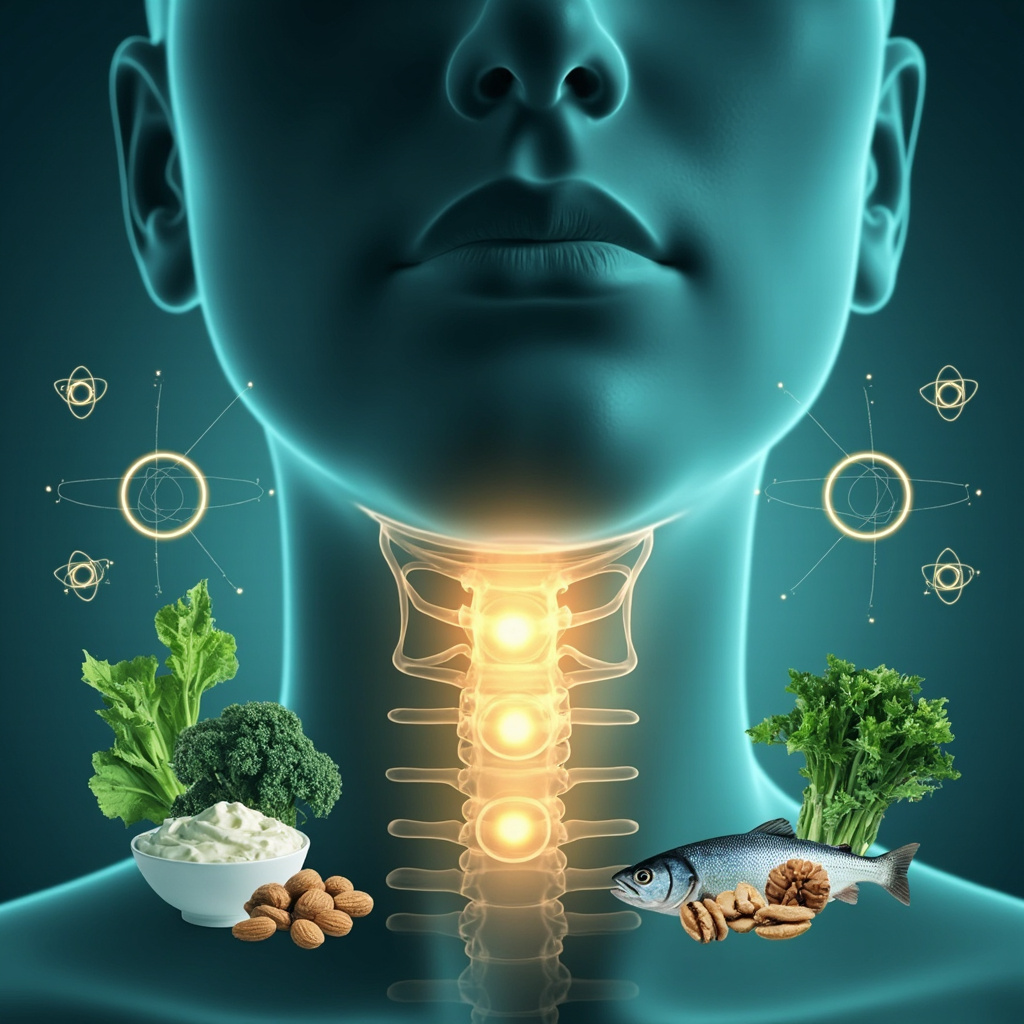
The parathyroid glands are four tiny glands tucked behind the thyroid in your neck. They produce parathyroid hormone (PTH), which keeps calcium levels steady in your blood. Calcium is vital for strong bones, muscle contractions, nerve signals, and even heart rhythm. When these glands work well, your body stays balanced. See more on parathyroid.
Physical Role
PTH acts like a manager for calcium. It pulls calcium from bones if levels drop too low, boosts absorption from food in the intestines, and helps kidneys hold onto calcium. Vitamin D and magnesium team up with PTH to make this happen smoothly. Without balance, you might face hypoparathyroidism (too little PTH, low calcium) causing muscle cramps, tingling, or fatigue. Or hyperparathyroidism (too much PTH, high calcium) leading to kidney stones, weak bones, or digestive upset.
Emotional Connections
These glands link to feelings of self-worth and confidence. Imbalance may signal deep-seated doubts, like fear of failure or not feeling good enough. Emotional stress from comparing yourself to others or past disappointments can strain the glands. Supporting them nutritionally can foster emotional stability, helping you value your needs alongside others.
Key Nutrients for Support
Focus on foods that provide steady calcium without overload, plus helpers like vitamin D and magnesium. Aim for 1000-1200 mg calcium daily from food sources, as they are gentler on the body than supplements alone.
Calcium-Rich Foods to Include
- Leafy greens: Kale, bok choy, broccoli, collards – steam or saute for better absorption.
- Dairy choices: Plain yogurt, milk, cheese – choose low-fat if watching phosphorus.
- Fish with bones: Canned sardines or salmon – easy calcium boost.
- Nuts and seeds: Almonds, tahini – handful daily.
- Fortified options: Plant milks, cereals, orange juice.
- Other: Beans, lentils, figs, prunes.
Pair with vitamin C sources like lemon or oranges to aid uptake.
Vitamin D Sources
Fatty fish (salmon, tuna), egg yolks, fortified foods. Sunlight helps too.
Magnesium Helpers
Nuts, seeds, whole grains, beans, leafy greens – key for nerve and muscle calm.
Foods to Limit
High phosphorus binds calcium, throwing off balance:
- Red meat, processed meats.
- Soda, fizzy drinks (phosphoric acid).
- Some dairy (hard cheeses), bread, rice in excess.
- High salt, caffeine, alcohol – they deplete calcium.
Read labels for additives like phosphates.
Sample Daily Meals
Breakfast: Yogurt with almonds and fortified cereal. Lunch: Kale salad with sardines, lemon dressing, beans. Snack: Handful of prunes or tahini on apple. Dinner: Baked salmon, broccoli, quinoa.
Stay hydrated with water to support kidneys.
Practical Tips
Eat regular meals to keep levels steady. Combine calcium foods with protein and vitamin C. Track how you feel – less cramps or more energy? Stress management like walks aids digestion and nutrient use. Consult a doctor for personalized needs, especially if symptoms persist.
Nourishing the parathyroid promotes physical strength and inner confidence. Small changes yield big balance.
- 1. foxnews.com
- 2. sciencedaily.com
- 3. healthline.com
- 4. rupahealth.com
- 5. resources.healthgrades.com
- 6. healthline.com
- 7. healthline.com
- 8. medicalnewstoday.com
- 9. sciencedirect.com
- 10. satulsa.com
- 11. pmc.ncbi.nlm.nih.gov
- 12. parathyroiduk.org
- 13. webmd.com
- 14. mayoclinic.org
- 15. mayoclinic.org
- 16. parathyroid.com
- 17. doctronic.ai
- 18. parathyroidatlanta.com
- 19. healthdirect.gov.au
- 20. mayoclinic.org
- 21. tandfonline.com
- 22. hyperparathyroidmd.com
- 23. nucleusnetwork.com
- 24. qualityinsights.org
- 25. cambridge.org
- 26. youtube.com
- 27. parathyroiduk.org
- 28. mayoclinic.org
- 29. healthline.com
- 30. facebook.com
- 31. pmc.ncbi.nlm.nih.gov
- 32. mayoclinic.org
- 33. fredhutch.org
- 34. finance.yahoo.com
- 35. news.unchealthcare.org
- 36. lukecoutinho.com
- 37. reflexologyforthespirit.com
- 38. healthline.com
- 39. parathyroiduk.org
- 40. uomus.edu.iq
- 41. facebook.com
Related posts
Glossary
- Energy and mind Structures > magnesium
- Energy and mind Structures > calcium
- Energy and mind Structures > phosphorus
- Energy and mind Structures > Water
- Energy and mind Structures > Confidence
- Body zones > glands
- Body zones > bones
- Body zones > parathyroid
- Body zones > kidneys
- Body zones > face
- TCM Recipes > Thyroid Support: Natural Remedies for Fatigue & Weight
- TCM Recipes > Digestive Relief: A Simple Guide to Ease Bloating & Indigestion
- TCM Recipes > Kidney Stones: Relief for Pain and Discomfort
- TCM Recipes > Kidney Health: Boost Energy and Relieve Back Pain
- TCM Recipes > Heart Health: Remedies for Anxiety and Palpitations
- TCM Recipes > Boost Your Energy: A TCM Recipe for Fatigue Relief
- Energy and mind Structures > Digestion
- Energy and mind Structures > Stress
- Stimuli > Lemon
- Stimuli > AIDS
- Stimuli > Blood
- Stimuli > Vitamin D