


Stress Disrupting Blood Pressure Control?
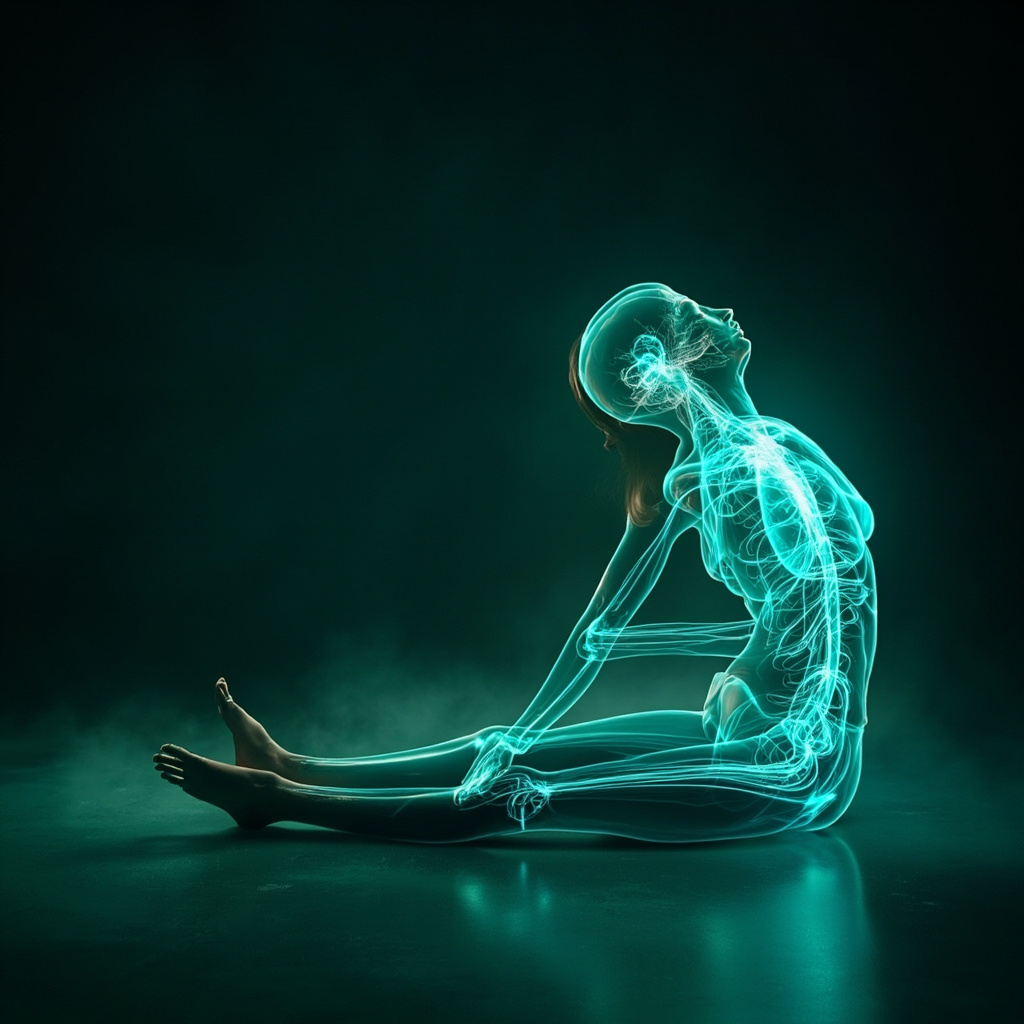
Ever Feel Constantly on Alert, Blood Pressure Unstable?
You wake up tired, your head throbs by midday, and simple tasks leave you dizzy or short of breath. Maybe your doctor mentions borderline high blood pressure, or you notice it fluctuates wildly – high one day, low the next. You try eating better, walking more, but the numbers don't budge much. Sound familiar? You're not alone. Millions deal with this invisible strain where stress quietly wrecks blood pressure balance.
These aren't random symptoms. They point to a deeper issue in your body's control center for blood vessels and heart rate. When it works right, it keeps everything steady, even under pressure. But under constant worry, it overreacts, squeezing vessels too tight and spiking pressure. Over time, this leads to exhaustion, poor sleep, and bigger risks like heart strain.
You've Tried the Usual Fixes – Why Aren't They Enough?
- Cut salt? Helps a bit, but stress overrides it.
- Exercise? Great, yet tension returns fast.
- Medications? They mask symptoms without touching the root.
Many feel frustrated after months of effort with little lasting change. Doctors focus on numbers, not why your system stays revved up. You've been told it's 'just stress,' but no one explains how it hijacks your blood pressure sympathetic control – the natural regulator in your brainstem and spine that tightens vessels during threats.
The Real Culprit: Emotional Stress Keeping You in Fight-or-Flight
Imagine your body as a vigilant guard. Fear, ongoing anxiety, or feeling under threat signals danger. Your sympathetic nervous system kicks in: heart races, vessels constrict to push blood faster. Fine for a sprint from danger, but chronic emotional pressure – work deadlines, family worries, past hurts – traps you there.
This overactivity builds. Studies show people with high stress have 20-30% higher risk of hypertension. One from Mayo Clinic links repeated stress spikes to lasting high pressure. Another review found anxiety boosts vessel resistance and sympathetic drive, creating a vicious cycle. Your guard never stands down, wearing out your heart and arteries.
Why Past Efforts Fail – And Why It Matters Now
Diet and pills treat surface levels, ignoring the brain-spine signals driving the chaos. Breathing shallow? That amps sympathetic signals. Tense muscles? They signal more threat. Without addressing this core, problems worsen: fatigue deepens, risks climb to stroke or heart issues.
Recent research (2024-2025) confirms chronic stress sympathetic overactivity directly fuels hypertension. A study on slow breathing showed autonomic shifts lowering pressure long-term. Delaying fix? Damage accumulates silently.
Introducing Balance Through Frequency and Breath Tools
Not more pills, but ways to soothe the sympathetic driver directly. Think sound waves tuned to your body's rhythms, like a gentle reset button. Or tiny currents mimicking natural flows. These aren't gimmicks – they're based on resonance principles where matching frequencies calm overactive systems.
Compare to pricey options: ongoing therapy ($200/session), advanced meds with side effects, or even procedures like nerve ablation ($10,000+). Simpler tools exist to harmonize without invasion.
Restore Blood Pressure Harmony with BioCoherence
BioCoherence changes this. It's a simple app using your phone's sensor for a quick exploration – a full-body electrical scan yielding 1500+ biomarkers, including blood pressure sympathetic control. No needles, just 5 minutes lying down.
Results show if this regulator is agitated (overdrive from stress/fear) or weak. As a resource, it supports organs with steady flow. If priority, it guides focus there.
Three Ways It Balances You
-
Harmonic Boosts: Custom audio tracks with frequencies matching your regulator's resonance. Structures vibrate in sync, easing constriction. Play anytime, like a personal tune-up. Or pick from Basic Programs library.
-
Personal Guide: 21-day daily meditation, tailored to your biomarkers. If stress control is key, words direct inner awareness: 'Feel steady flow through vessels, release fear's grip.' Changes daily for progress.
-
Harmonizer: Wearable applies micro-currents real-time from app. Choose from 10,000+ programs or build from scan. Gentle pulses retrain vessels without drugs.
Learn more in tutorials on explorations or modules overview.
Yoga Practices to Amplify Results
As your yoga coach, I tailor poses to biomarkers:
- Child's Pose: Releases spine tension signaling threat.
- Alternate Nostril Breathing (Nadi Shodhana): Balances autonomic sides, drops pressure 5-10 points per studies.
- Legs Up the Wall: Boosts parasympathetic calm, improves flow.
A 2025 study found 12 weeks slow breathing cut systolic pressure significantly via autonomic shifts.
Real Stories from Users
Laura from Wisconsin: 'Less balance issues daily, feeling younger – no more holding on.'
Raymond, 78, France: 'More active, less tired, better sleep.'
Mike: 'Sleeping better, more energy, less fog after weeks.'
These match stress reductions, steadying pressure naturally.
Start with a free exploration on coherence.today. Pair with my practices for embodied calm. Your body knows harmony – let's uncover it.
- 1. link.springer.com
- 2. biocoherence.net
- 3. biocoherence.net
- 4. semanticscholar.org
- 5. reselfme.com
- 6. pmc.ncbi.nlm.nih.gov
- 7. journals.physiology.org
- 8. sciencedirect.com
- 9. mavmatrix.uta.edu
- 10. cureus.com
- 11. heart.org
- 12. mdpi.com
- 13. sciencedirect.com
- 14. sciencedirect.com
- 15. researchgate.net
- 16. biocoherence.net
- 17. biocoherence.net
- 18. pmc.ncbi.nlm.nih.gov
- 19. pmc.ncbi.nlm.nih.gov
- 20. onlinelibrary.wiley.com
- 21. nature.com
- 22. cvgcares.com
- 23. sciencedirect.com
- 24. frontiersin.org
- 25. biocoherence.net
- 26. pubmed.ncbi.nlm.nih.gov
- 27. frontiersin.org
- 28. biocoherence.net
- 29. mayoclinic.org
- 30. apa.org
- 31. researchgate.net
- 32. ahajournals.org
- 33. healthcare-bulletin.co.uk
- 34. pmc.ncbi.nlm.nih.gov
- 35. my.clevelandclinic.org
- 36. biocoherence.net
- 37. pmc.ncbi.nlm.nih.gov
- 38. health.harvard.edu
- 39. journals.physiology.org
- 40. journals.lww.com
- 41. facebook.com
- 42. facebook.com
- 43. onlinelibrary.wiley.com
- 44. frontiersin.org
- 45. ahajournals.org
- 46. biocoherence.net
- 47. jpmph.org
- 48. pubmed.ncbi.nlm.nih.gov
- 49. pmc.ncbi.nlm.nih.gov
- 50. cedars-sinai.org
- 51. biocoherence.net
- 52. youtube.com
- 53. sjmas.com
- 54. healthline.com
- 55. avantpsychiatry.com
- 56. biocoherence.net
- 57. nature.com
- 58. bhf.org.uk
- 59. biocoherence.net
- 60. biocoherence.net
- 61. journals.sagepub.com
Related posts
Glossary
- Energy and mind Structures > Focused Coherence; Focus
- Energy and mind Structures > Drive
- Energy and mind Structures > Exhaustion
- Body zones > head
- Body zones > Blood pressure sympathetic control
- Body zones > parasympathetic
- Body zones > Arteries
- Energy and mind Structures > Organs
- TCM Recipes > Heart Health: Remedies for Anxiety and Palpitations
- TCM Recipes > Boost Your Energy: A TCM Recipe for Fatigue Relief
- Energy and mind Structures > sleep
- Energy and mind Structures > blood pressure
- Energy and mind Structures > Theta; 4.31-6.97 Hz. Light sleep, meditation.
- Energy and mind Structures > Stress
- Stimuli > Moon - Nasal Passage, Breathing, Taste
- Binaural beats > Blood Vessels & Arteries: Boost Circulation & Well-Being
- Stimuli > Stroke
- Stimuli > Harmony
- Stimuli > Blood
see also...
- Energy and mind Structures > HRV
- Energy and mind Structures > Body zones > Arteries
- Energy and mind Structures > TCM Recipes > Tension Headache Relief: A Natural Approach to Ease Stress
- Testimonials > 61% Drop in Nausea and 58% in Headaches from Sound Therapy
- Binaural beats > Stimuli > Variolinum
- Binaural beats > Blood Vessels & Arteries: Boost Circulation & Well-Being