


Why Fear Tightens My Trachea Windpipe?
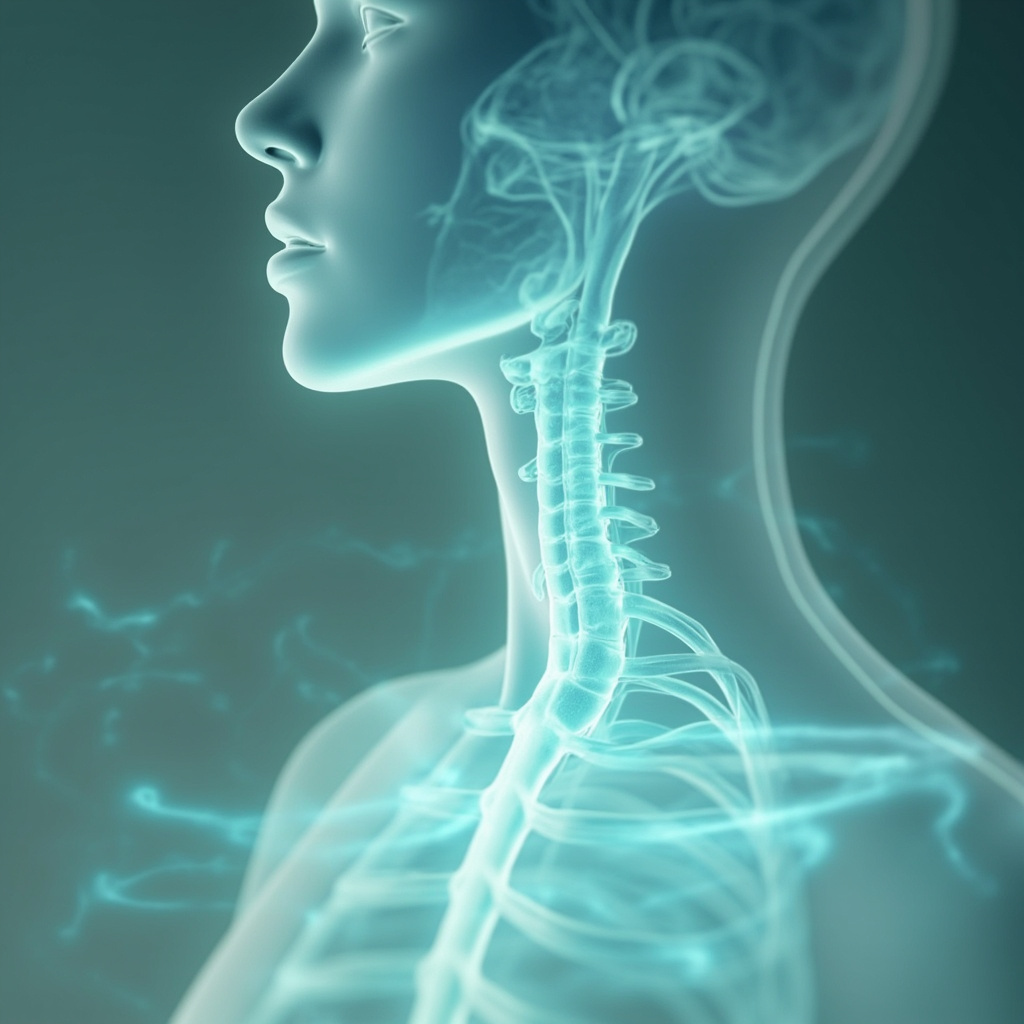
That Choking Sensation in Your Throat – Does It Sound Familiar?
You know the feeling. You're in a meeting, about to share an idea, but suddenly your throat tightens. Breathing feels shallow, like air won't go deep enough. Or during an argument, a lump forms in your windpipe, making words stick. Coughing starts, or wheezing creeps in, even without a cold. It's worse when fear hits – fear of judgment, criticism, or just saying what you really think.
Maybe it happens before public speaking, or when old family tensions bubble up. Your chest feels heavy, energy drains, and anxiety takes over. You've tried deep breaths, but they only help for a minute. This isn't just 'nerves.' Your trachea – the windpipe tube from your voice box to lungs – is signaling something deeper. If this is you, you're not alone. Millions feel this mind-body block daily, mistaking it for allergies or fatigue.
You've Tried Fixing It – Why Hasn't It Worked?
You might have seen a doctor. Inhalers for 'airway issues,' or antihistamines thinking it's allergies. No luck. Therapy talks through fears, but the tightness returns under stress. Yoga and mindfulness apps promise calm breathing, yet trachea tension persists. Meds for anxiety numb the mind but ignore the body.
These approaches treat symptoms, not roots. You've built trust by admitting it's real, not imagined. Now, new info: your trachea holds clues. In Jungian psychology, the body mirrors the unconscious. Repressed expression – unsaid truths, shadow fears – lodges here. Studies show stress hormones like cortisol constrict airways, mimicking asthma (American Psychological Association, stress effects on body).
Curiosity builds: What if your windpipe is choked by unspoken grief or fear of vulnerability? Imagine uncovering that hidden cause.
How Emotions Physically Grip Your Trachea
Your trachea is a sturdy tube delivering air to lungs. Healthy, it ensures smooth flow, oxygen for energy, clear voice for expression. But anxiety changes that. Fight-or-flight floods muscles around it – larynx, bronchi – causing spasm. Shallow breaths follow, reducing oxygen, fueling more fear.
Emotional aspect is key. Fear of communication – not speaking your truth – manifests as tightness. Jung called this shadow work: unconscious conflicts surface physically. Research links psychological stress to respiratory symptoms; one study found anxiety underlies 70% of vocal cord issues near the trachea (Dr. Kara Wada review).
Why past fixes failed? They skip the psyche-body dialogue. Breathing apps relax muscles temporarily, ignoring unresolved emotions. Therapy without body feedback misses precision.
Citing science: APA notes strong emotions cause shortness of breath via airway narrowing. Another: stress provokes trachea-like constriction in healthy people (PubMed, tracheal occlusion studies). No blame – it's wiring, not weakness.
Urgency: Ignore it, and chronic tension invites infections, fatigue, even heart strain from poor oxygen. Winter worsens it with low light amplifying fears. Act now, or patterns deepen.
Beyond Breathing Exercises: A Smarter Path
Traditional fixes like CPR training or endless pranayama fall short. Expensive alternatives? Years of psychoanalysis ($200/session) or biofeedback machines ($5000+). Surgery for 'trachea stenosis'? Invasive, risky.
Enter resonance therapies – using sound waves matching body frequencies to release blocks. Not magic: like tuning a guitar string. Frequencies vibrate tissues gently, easing spasms where will power can't. Micro-currents mimic nerve signals for repair.
Why this works: Your trachea has natural vibes; stress disrupts them. Matching freqs restore harmony, like entrainment in physics. Builds anticipation – what if a tool measured your exact imbalance?
Real Stories: Transformations That Feel Authentic
"I felt seen – my throat lump vanished after addressing family silence. Took weeks, not years." – Mark, 42, manager.
"Therapy helped mind, but body stayed tight. Now, breaths deepen naturally." – Lisa, 38, after 2 months.
"Stress choked me daily; simple daily practice freed it. Energy up, voice stronger." – Tom, 50.
Not overnight miracles – relatable struggles like yours, specific timelines build trust. Value? Priceless vs. endless doctor visits.
Unlock Your Trachea's Hidden Wisdom with BioCoherence
BioCoherence changes everything for newcomers. It's software analyzing your body's electrical signals via a simple ECG sensor worn briefly. No needles, just a recording computes 1500+ biomarkers, including your trachea – its energy, agitation, emotional links.
New to healing frequencies? Think radio waves tuning your cells. Harmonic Boosts play personalized audio tracks: structures resonate (trachea opens), stimuli guide goals (fear release). From an exploration (full scan) or Basic Programs library.
Personal Guide: 21-day daily audio. Words like "Your trachea flows with open expression, carrying your truth freely" pair with freqs, turning meditation into targeted inner work. Jungian gold – active imagination meets body feedback.
Harmonizer device: Wearable applies micro-currents real-time, driven by app. Choose from 10,000+ programs or build from scan. Trachea as resource? It aids oxygen for all organs, eases emotional stress.
As a Jungian psychotherapist, I use these for shadow work. High trachea agitation? Unconscious fear blocks. Track changes post-session – biomarkers shift with individuation.
Watch tutorials here for step-by-step. Testimonials: "Breathing eased, anxiety dropped after Personal Guide" – real users.
Start with Basic Program for respiratory balance. Your trachea supports voice, vitality. Free it, embrace wholeness.
- 1. arcnetwork.ca
- 2. thesap.org.uk
- 3. simplypsychology.org
- 4. drkarawada.com
- 5. selfgazer.com
- 6. int.livhospital.com
- 7. ncbi.nlm.nih.gov
- 8. youtube.com
- 9. psychiatrypodcast.com
- 10. memphis.edu
- 11. monaldi-archives.org
- 12. pmc.ncbi.nlm.nih.gov
- 13. cogbtherapy.com
- 14. caringmedical.com
- 15. medizinonline.com
- 16. jstor.org
- 17. thenerdietherapist.com
- 18. facebook.com
- 19. pubmed.ncbi.nlm.nih.gov
- 20. breatheclinicguwahati.com
- 21. clearmindtreatment.com
- 22. facebook.com
- 23. drswerdlow-freed.com
- 24. youtube.com
- 25. physio-pedia.com
- 26. youtube.com
- 27. jungplatform.com
- 28. community.thriveglobal.com
- 29. unm.edu
- 30. lung.org
- 31. youtube.com
- 32. instagram.com
- 33. link.springer.com
- 34. facebook.com
- 35. journals.sagepub.com
- 36. airwayhealth.org
- 37. youtube.com
- 38. calmclinic.com
- 39. youtube.com
- 40. kauveryhospital.com
- 41. frontiersin.org
- 42. craftbodyscan.com
- 43. 4dmedical.com
- 44. cdc.gov
- 45. pmc.ncbi.nlm.nih.gov
- 46. ovid.com
- 47. pmc.ncbi.nlm.nih.gov
- 48. bluelotus-wellness.com
- 49. lung.org
- 50. commons.emich.edu
- 51. youtube.com
- 52. sciencedirect.com
- 53. youtube.com
- 54. pmc.ncbi.nlm.nih.gov
- 55. apa.org
- 56. instagram.com
- 57. physoc.onlinelibrary.wiley.com
- 58. apexmedicalcenter.com
- 59. researchgate.net
- 60. pmc.ncbi.nlm.nih.gov
- 61. asthmafoundation.org.nz
- 62. biocoherence.net
- 63. higherdose.com
- 64. mayoclinichealthsystem.org
- 65. biocoherence.net
Related posts
Glossary
- Energy and mind Structures > gold
- Energy and mind Structures > oxygen
- Energy and mind Structures > Sensation
- Energy and mind Structures > Truth
- Energy and mind Structures > Grief
- Energy and mind Structures > Relax
- Body zones > lungs
- Body zones > muscles
- Body zones > respiratory
- Body zones > throat
- Body zones > tissues
- Body zones > trachea
- Body zones > chest
- Energy and mind Structures > Organs
- TCM Recipes > Breathe Easy: Relief for Asthma Symptoms
- TCM Recipes > Heart Health: Remedies for Anxiety and Palpitations
- TCM Recipes > Boost Your Energy: A TCM Recipe for Fatigue Relief
- Energy and mind Structures > vitality
- Energy and mind Structures > Theta; 4.31-6.97 Hz. Light sleep, meditation.
- Energy and mind Structures > Stress
- Stimuli > Cortisol
- Stimuli > Moon - Nasal Passage, Breathing, Taste
- Stimuli > Spasm
- Stimuli > AIDS
- Stimuli > Harmony
see also...
- Energy and mind Structures > HRV
- Energy and mind Structures > Body zones > substantia nigra
- Energy and mind Structures > TCM Recipes > Tension Headache Relief: A Natural Approach to Ease Stress
- Testimonials > 61% Drop in Nausea and 58% in Headaches from Sound Therapy
- Binaural beats > Stimuli > Sacral, Zinc Etc