


Why Duodenum Muscles Fail: Bloating?
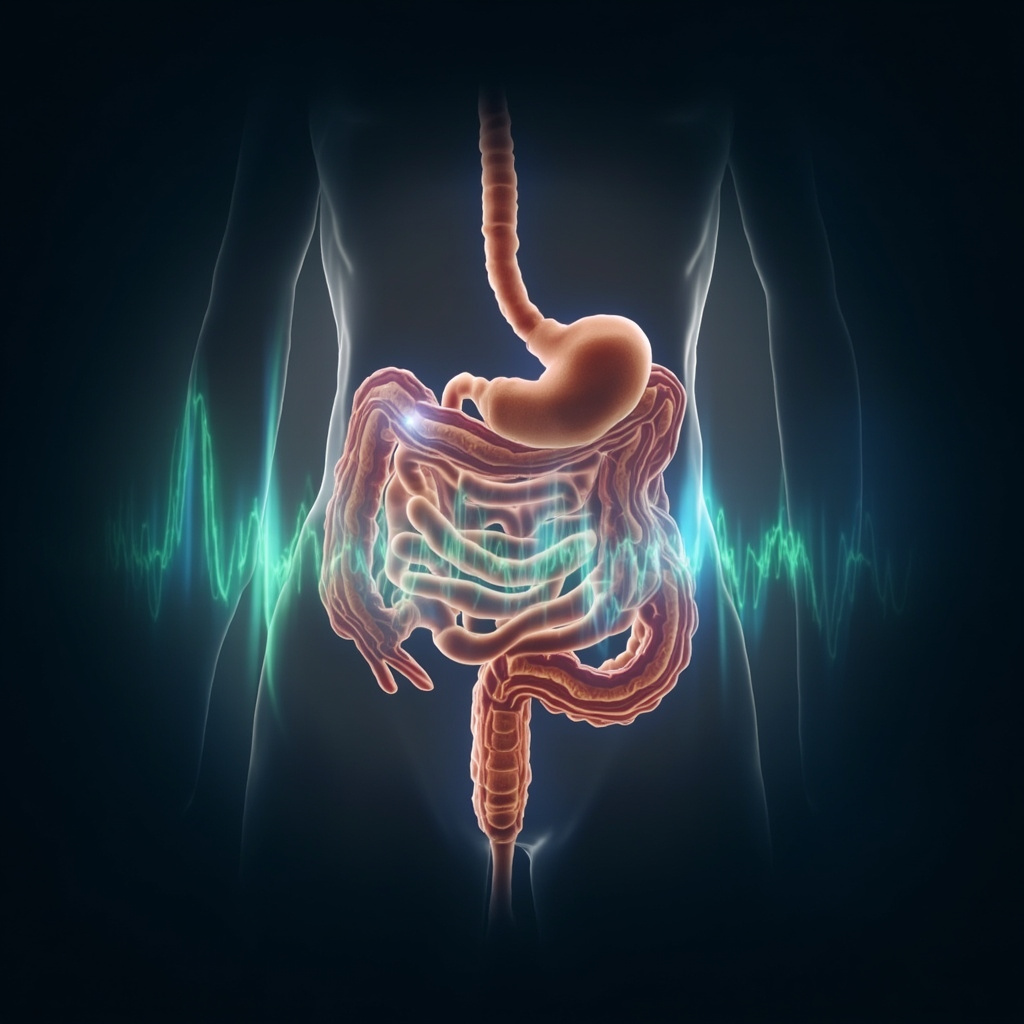
Do You Feel Bloated and Nauseous Despite Eating Right?
You prepare balanced meals with plenty of vegetables, lean proteins, and fiber. You avoid processed foods and even track your intake carefully. Yet, after eating, bloating sets in, followed by nausea or that heavy, uncomfortable feeling in your upper belly. Maybe you feel full too quickly or notice undigested food issues later. These symptoms disrupt your day, sap your energy, and make you question everything you're doing.
This is you. Many people experience this exact pattern. It's frustrating when others rave about their 'gut-friendly' diets, but yours leaves you feeling worse.
You've Tried Everything – Why Isn't It Working?
You've added probiotics for gut balance, increased water intake, and experimented with low-FODMAP plans. Digestive enzymes or herbal teas promised relief, but the bloating returns. Even magnesium or ginger supplements fall short. Doctors might suggest antacids or scans, yet nothing sticks.
These efforts build trust in your commitment, but they miss the deeper issue. You're not alone – standard fixes often overlook a key player in your upper digestive tract.
Meet the Unsung Heroes: Duodenum Muscles
Right after your stomach, the duodenum – the first part of your small intestine – relies on smooth muscles to mix partially digested food with enzymes and bile. These muscles contract in waves, propelling everything forward for nutrient absorption (learn more).
When they weaken or spasm, food stalls. This triggers duodenal dysmotility, similar to gastroparesis but focused here. Symptoms include persistent bloating, nausea, vomiting, and poor nutrient uptake leading to fatigue.
What's the real trigger? It's not just diet. Stress and emotions play a huge role. Feelings of powerlessness or trouble 'digesting' life events tighten these muscles, slowing motility (Harvard on gut-brain link).
Curious yet? The cause often hides in your body's electrical signals and energy flow, beyond what blood tests show.
How Duodenum Muscle Dysfunction Really Works
These smooth muscles generate rhythmic electrical pulses to contract and relax. Disruptions – from chronic stress, inflammation, or micronutrient gaps like low magnesium or B vitamins – alter this rhythm. Food pools, ferments, causing gas and discomfort.
Why past attempts failed: Diets feed bacteria but don't restore muscle rhythm. Probiotics help flora, not motility signals. Stress hormones like cortisol override gut nerves, keeping muscles sluggish (stress-motility study). No blame – it's biology.
Studies confirm: Psychological stress slows small intestine motility, damaging mucosa and worsening dysbiosis (Cleveland Clinic on dysmotility). Nutrition alone can't reset electrical patterns.
Urgency matters. Untreated, it leads to malnutrition, weight loss, bacterial overgrowth, and escalating fatigue. Your body starves despite eating well, amplifying stress in a vicious cycle.
Beyond Pills and Diets: Restoring Gut Rhythm
Traditional options like prokinetics or feeding tubes manage symptoms but don't heal roots. Surgery? Invasive and risky, costing thousands long-term.
Enter targeted therapies using frequencies and microcurrents – non-invasive ways to tune muscle rhythms, like gentle nudges to sync electrical activity. Sound healing studies show low frequencies (e.g., 30 Hz) boost gastric motility (sound therapy research). Vagus nerve stimulation via sounds aids digestion (vagus review).
These outperform generics by addressing biomarkers – measurable energy, agitation, and links in your body's electrical field. Anticipate a tool that scans, analyzes, and balances precisely.
BioCoherence: Unlocking Duodenum Muscle Balance
BioCoherence software revolutionizes this by recording your full-body electrical activity via a simple ECG sensor. It computes 1500+ biomarkers, spotlighting duodenum muscles' status – energy levels, agitation, qualities, and organ links.
Struggling? They're a priority – guided words in sessions direct attention to release tension. Strong? As a resource, they energize digestion body-wide.
Harmonic Boost: Frequency Resonance
Personalized audio tracks make duodenum muscles resonate with their core frequencies. Structures align, stimuli guide toward goals like smoother motility. Or use Basic Programs from the library for quick starts (tutorials).
Personal Guide: Daily Inner Journeys
21-day evolving program based on your biomarkers. Each day, meditations weave specific text: 'Feel your duodenum muscles gently pulsing, accepting and moving forward.' Targets stress-emotion ties for holistic relief.
Harmonizer: Real-Time Micro-Currents
Wearable applies microcurrents synced to app programs from 10,000+ catalog or custom builds. Directly stimulates muscles for on-demand motility support.
As a nutritionist, I link this to diet: Biomarkers reveal gaps (e.g., B12 for nerves, magnesium for contraction). Pair with tailored meals – no guesswork.
Real Results from Users
Kat (USA): Improved digestion for her pets (and herself) with frequencies – tummies 'pink and healthy.'
Mike N. (WI, USA): More energy, less fog and aches after weeks.
Raymond (France, 78): Less tired, better sleep, joint relief – 'addicted to the well-being.' (testimonials)
Users report bloating gone in days, steady energy in weeks. Relatable: 'I ate salads forever, still bloated – now I absorb nutrients!'
Start with an exploration on coherence.today. Safe, non-drug, positions you for peak digestion. Your muscles await balance.
- 1. music.apple.com
- 2. iffgd.org
- 3. pmc.ncbi.nlm.nih.gov
- 4. henryford.com
- 5. crssny.com
- 6. purdue.edu
- 7. biocoherence.net
- 8. youtube.com
- 9. shannonhealthsystemib.staywellsolutionsonline.com
- 10. medicalnewstoday.com
- 11. yalemedicine.org
- 12. muschealth.org
- 13. cumming.ucalgary.ca
- 14. my.clevelandclinic.org
- 15. link.springer.com
- 16. my.clevelandclinic.org
- 17. aspenjournals.onlinelibrary.wiley.com
- 18. youtube.com
- 19. facebook.com
- 20. sciopen.com
- 21. guidelinecentral.com
- 22. cdn.ymaws.com
- 23. mdpi.com
- 24. medschool.ucla.edu
- 25. sciencedirect.com
- 26. miraclesworldwide.com
- 27. onlinelibrary.wiley.com
- 28. my.clevelandclinic.org
- 29. uchicagomedicine.org
- 30. hcplive.com
- 31. hopkinsmedicine.org
- 32. pmc.ncbi.nlm.nih.gov
- 33. uc.edu
- 34. youtube.com
- 35. gastrodoxs.com
- 36. bhattigi.com
- 37. youtube.com
- 38. integrishealth.org
- 39. newsinhealth.nih.gov
- 40. kineon.io
- 41. news.ddw.org
- 42. digestive-health.net
- 43. pmc.ncbi.nlm.nih.gov
- 44. youtube.com
- 45. mayoclinic.org
- 46. anandadhwani.com
- 47. sciencedirect.com
- 48. rwjbh.org
- 49. pmc.ncbi.nlm.nih.gov
- 50. basicmedicalkey.com
- 51. uclahealth.org
- 52. ncdhp.com
- 53. pmc.ncbi.nlm.nih.gov
- 54. neurasonic.com
- 55. mitoaction.org
- 56. youtube.com
- 57. amazon.com
- 58. vivo.colostate.edu
- 59. finance.yahoo.com
- 60. physio-pedia.com
- 61. ajmc.com
- 62. health.harvard.edu
- 63. templehealth.org
- 64. pmc.ncbi.nlm.nih.gov
- 65. cedars-sinai.org
- 66. tampareflux.com
- 67. chop.edu
- 68. openpr.com
- 69. biocoherence.net
- 70. pmc.ncbi.nlm.nih.gov
- 71. pmc.ncbi.nlm.nih.gov
- 72. vita4life.net
Related posts
Glossary
- Energy and mind Structures > magnesium
- Energy and mind Structures > Water
- Energy and mind Structures > Relax
- Body zones > hormones
- Body zones > muscles
- Body zones > nerves
- Body zones > muscles
- TCM Recipes > Digestive Relief: A Simple Guide to Ease Bloating & Indigestion
- TCM Recipes > Stomach Health: Natural Remedies for Digestive Issues
- TCM Recipes > Vagus Nerve Support: A Natural Approach to Calm and Heal
- TCM Recipes > Boost Your Energy: A TCM Recipe for Fatigue Relief
- Energy and mind Structures > sleep
- Energy and mind Structures > Digestion
- Energy and mind Structures > Stress
- Stimuli > Cortisol
- Stimuli > Ginger
- Stimuli > Spasm
- Stimuli > AIDS
- Binaural beats > Inflammation Relief: Heal Faster with Binaural Beats
- Stimuli > Blood
see also...
- Energy and mind Structures > HRV
- Energy and mind Structures > Body zones > muscles
- Energy and mind Structures > TCM Recipes > Tension Headache Relief: A Natural Approach to Ease Stress
- Testimonials > 61% Drop in Nausea and 58% in Headaches from Sound Therapy
- Binaural beats > Stimuli > Variolinum
- Binaural beats > Desensitizer: Boost Your Energy and Focus Effectively