


Body zones
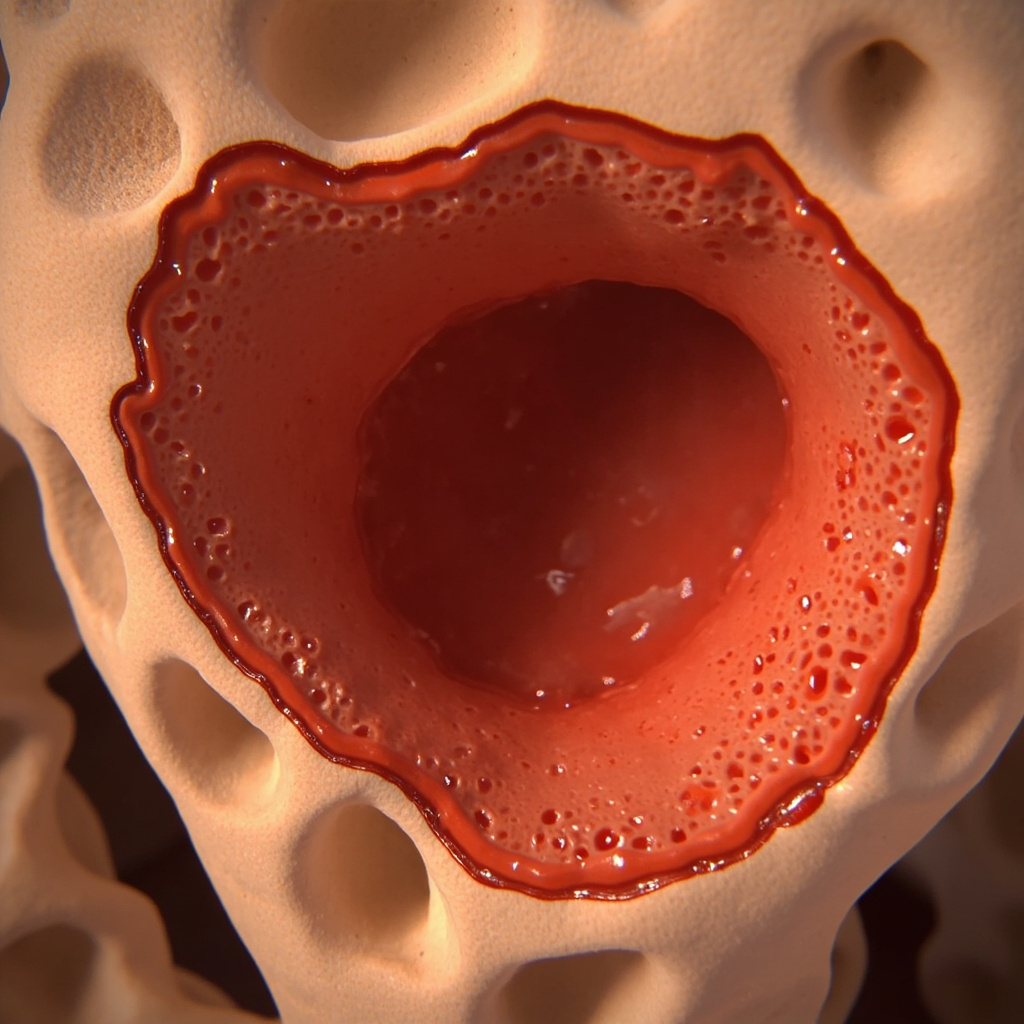
Bones: Red Bone Marrow
(bones.bonemarrow.red)Red bone marrow is localized in the spongy tissue of certain bones, including the pelvis, ribs, sternum, and the ends of long bones like the femur. When functioning properly, it produces red blood cells, white blood cells, and platelets, essential for oxygen transport, immune response, and blood clotting, respectively. If malfunctioning, it can lead to conditions such as anemia, increased susceptibility to infections, and problems with blood clotting, as well as more severe disorders like leukemia or myelodysplastic syndromes.
Red bone marrow can help by producing essential blood components, addressing emotional conflicts related to survival, and enhancing overall vitality and immune response.
The bone marrow, specifically the red bone marrow, is linked to deep emotions connected to survival and life force. It is associated with the essence of life, vitality, and the production of blood cells. Emotional conflicts related to feelings of insufficiency, lack of support, or struggles for survival could potentially cause malfunctions in this organ. Issues here may reflect a deep-seated fear of not being able to sustain life or provide for oneself and others. Addressing these emotional conflicts could be key to improving the health of the red bone marrow.
Red bone marrow, a vital component of the hematopoietic system, is primarily responsible for the production of red blood cells, white blood cells, and platelets. This function is crucial for maintaining oxygen transport, a robust immune response, and effective blood clotting, all of which directly influence overall physical health and energy levels. The interplay between red bone marrow and other organs, such as the spleen and lymph nodes, highlights its systemic role in regulating immune function and responding to physiological stressors. Additionally, red bone marrow is linked to deep-seated emotional states; feelings of insufficiency or survival struggles can negatively impact its function. This emotional aspect underscores the importance of addressing psychological factors to support both the physical and energetic health of the marrow. By fostering a harmonious state of being, individuals can enhance their vitality, resilience, and overall well-being. Promoting healthy bone marrow function ultimately contributes to a more energetic lifestyle, fortifying the body against illness and enriching mental clarity and emotional stability.
In BioCoherence, find the organ biomarkers and structures in Analyze > Body > Organs maps.
To comment, subscribe to the newsletter and get exclusive BioCoherence offers, please create a free account
Legal page
Website (c) 2026 Coherence Labs; contents (c) their respective authors.
Disclaimer BioCoherence provides both an academic analysis and an energetic and experimental analysis.
The information displayed may or may not be correlated with the physical state of the systems.
Calculations are based on individual measurements and experimental algorithms.
All computed results like energy levels, entropy levels and coherent systems are designed to provide useful information for personal development, not for medical purposes. The usage of all results are under the sole responsibility or the user. In case of doubt, it is important to consult a medical doctor. Please check our EULA before deciding your use of the software.