


التنفسي: التنفس والتوازن العاطفي
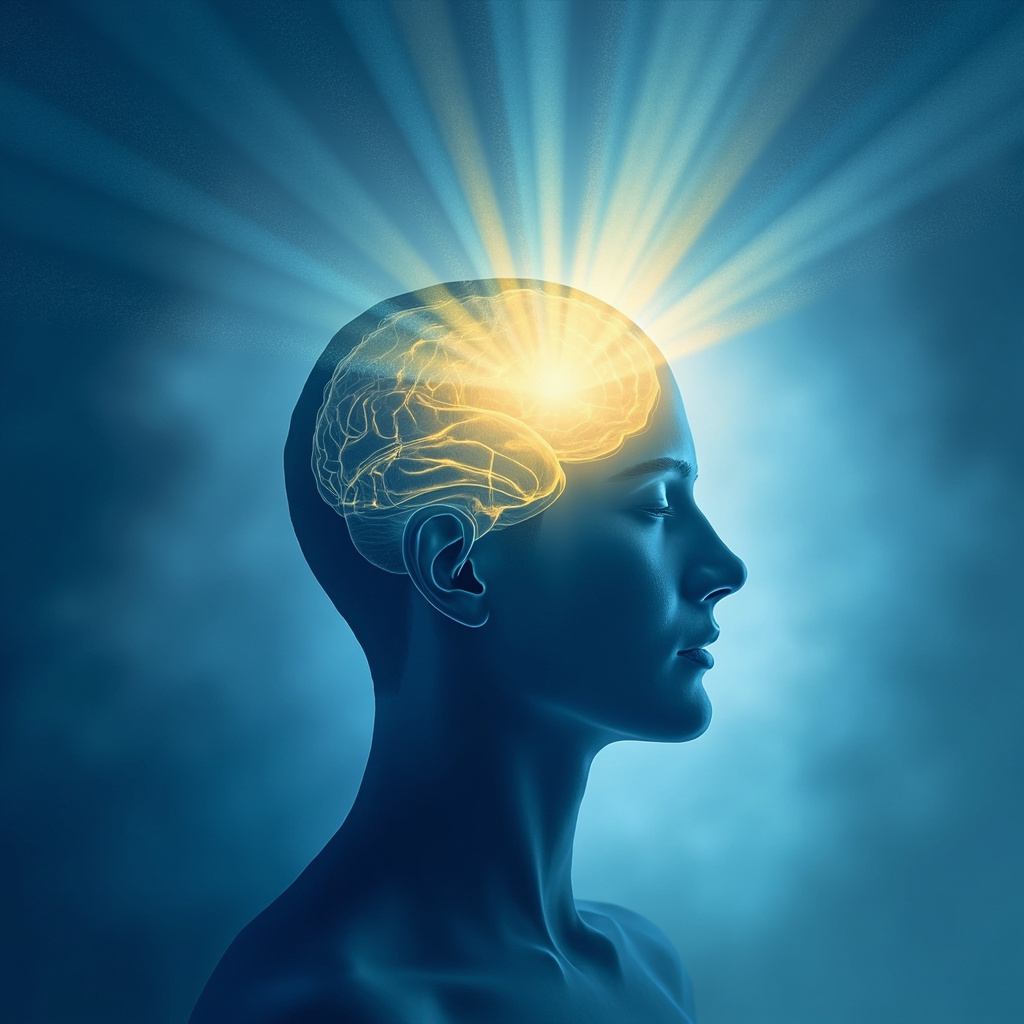
What is the Respiratory System?
The respiratory system sits mainly in your chest. It includes the lungs, trachea, and airways. Its main job is to swap oxygen for carbon dioxide. Fresh oxygen enters your blood, and waste gas leaves your body. This keeps every cell fueled and balanced.
When working well, you feel energized and clear. But trouble here can cut oxygen supply, leading to tiredness, distress, or issues like asthma or infections. For more details, see the respiratory glossary.
Emotional Links to Your Breath
Breathing and feelings go hand in hand. Shallow, fast breaths often match moments of fear, anxiety, or feeling overwhelmed-like suffocating under pressure. Think of times when family tensions or a sense of no support tighten your chest. These emotions can stir the body, making breaths short and urgent.
Research shows this connection clearly. Stress raises your breathing rate, signaling fight-or-flight mode. A recent study found breathing changes can even predict joy or excitement up to 30 minutes ahead, especially in those recovering from low mood. Slow, steady breaths shift you to rest-and-recover, easing anxiety and building resilience.
As a psychologist, I see this in HRV-heart rate variability. Good HRV means flexible stress handling. Nasal breathing at about six breaths per minute boosts it, calming the nervous system and steadying emotions like fear or anger.
Signs of Respiratory Imbalance
Watch for:
- Shortness of breath during calm times
- Frequent sighs or yawning
- Tight chest with worry
- Conditions like asthma flaring under stress
These point to emotional strain. Chronic stress or unresolved conflicts burden the lungs, cutting oxygen and fogging the mind. People with mental health challenges often face higher respiratory risks, from inflammation to poor air quality effects.
The Respiratory System as a Resource
A strong respiratory system supports the whole body. It delivers oxygen for energy in cells and clears waste gases. This creates a steady inner environment, helping organs thrive. When called on, deep breaths refresh the brain, sharpen focus, and lift mood.
In practice, turn to it during tension. Slow inhales through the nose fill the belly, not just the chest. Exhale longer to release buildup. This simple act activates calm nerves, much like mindfulness.
Biomarkers Reveal the Breath-Emotion Dance
Tools measuring body signals spot respiratory health. Look at energy levels, agitation, or balance. High agitation ties to emotional turbulence-racing thoughts, overwhelm. Low energy hints at fatigue from unprocessed feelings.
HRV is key here. Steady breathing raises it, marking emotional strength. Studies confirm slow resonance breathing (around six breaths a minute) cuts stress markers and boosts mood over weeks. Track these shifts to see progress in regulation.
Building Balance Through Awareness
Start small:
- Notice your breath now-is it deep or shallow?
- Try 5 minutes daily: Inhale 4 counts, hold 4, exhale 6.
- Pair with grounding: Name three family supports or safe spaces.
Over time, this rewires responses. Breath becomes your anchor, turning overwhelm into space. For those with history of depression or anxiety, active patterns can spark joy, per new findings.
Your lungs hold whispers of the heart. Listen, breathe deep, find peace.
- 1. emjreviews.com
- 2. oxalife.com
- 3. pmc.ncbi.nlm.nih.gov
- 4. calm.com
- 5. performpodcast.com
- 6. pmc.ncbi.nlm.nih.gov
- 7. publications.ersnet.org
- 8. lung.org
- 9. lung.org
- 10. pmc.ncbi.nlm.nih.gov
- 11. nature.com
- 12. sciencedirect.com
- 13. austinoakshospital.com
- 14. gavi.org
- 15. medium.com
- 16. goodrx.com
- 17. psychologytoday.com
- 18. mdpi.com
- 19. frontiersin.org
- 20. nhs.uk
- 21. facebook.com
- 22. sciencedirect.com
- 23. kingshealthpartners.org
- 24. pmc.ncbi.nlm.nih.gov
- 25. psypost.org
- 26. respelearning.scot
- 27. ehp.primehealthcare.com
- 28. pmc.ncbi.nlm.nih.gov
- 29. pubmed.ncbi.nlm.nih.gov
- 30. nature.com
- 31. psychologytools.com
- 32. youtube.com
- 33. youtube.com
- 34. respiratory-therapy.com
- 35. researchgate.net
- 36. clinicaltrials.gov
- 37. bhf.org.uk
- 38. theportugalnews.com
- 39. sciencedirect.com
- 40. frontiersin.org
- 41. therapeuticcounseling.org
- 42. sciencedirect.com
- 43. today.com
- 44. mdpi.com
- 45. pmc.ncbi.nlm.nih.gov
- 46. psyche.co
- 47. extension.usu.edu
- 48. instagram.com
- 49. nature.com
المشاركات ذات الصلة
قاموس المصطلحات
- الطاقة والهياكل الذهنية > الأكسجين
- الطاقة والهياكل الذهنية > الكربون
- الطاقة والهياكل الذهنية > التوافق المركز; التركيز
- الطاقة والهياكل الذهنية > تنظيم
- الطاقة والهياكل الذهنية > عقلي
- الطاقة والهياكل الذهنية > سلام
- مناطق الجسم > الرئتين
- مناطق الجسم > الأعصاب
- مناطق الجسم > أنف
- مناطق الجسم > تنفسي
- مناطق الجسم > صدر
- مناطق الجسم > وجه
- الطاقة والهياكل الذهنية > الأعضاء
- وصفات الطب الصيني التقليدي > تنفس بسهولة: تخفيف أعراض الربو
- وصفات الطب الصيني التقليدي > صحة القلب: علاجات للقلق والخفقان
- وصفات الطب الصيني التقليدي > تعزيز الدماغ: إزالة الضباب، تحسين التركيز والذاكرة
- وصفات الطب الصيني التقليدي > تخفيف الأعشاب: نهج الطب الصيني التقليدي لرفع مزاجك
- وصفات الطب الصيني التقليدي > زيادة طاقتك: وصفة الطب التقليدي الصيني لتخفيف التعب
- الطاقة والهياكل الذهنية > إجهاد
- محفزات > القمر - الممر الأنفي، التنفس، الطعم
- نغمات ثنائية الأذن > تخفيف الالتهاب: شفاء أسرع مع الإيقاعات الثنائية
- نغمات ثنائية الأذن > الجهاز العصبي: برنامج لتحقيق التوازن العاطفي والاسترخاء
- محفزات > دم
see also...
- الطاقة والهياكل الذهنية > HRV
- الطاقة والهياكل الذهنية > مناطق الجسم > الصدرية
- الطاقة والهياكل الذهنية > وصفات الطب الصيني التقليدي > تخفيف صداع التوتر: نهج طبيعي لتخفيف الضغط
- Testimonials > انخفاض بنسبة 61% في الغثيان و58% في الصداع من العلاج الصوتي
- نغمات ثنائية الأذن > محفزات > فاريو لينوم
- نغمات ثنائية الأذن > التحول: رحلة صوتية للتغيير الشخصي