


مستوى التكيف المنخفض: متعب بعد النوم؟
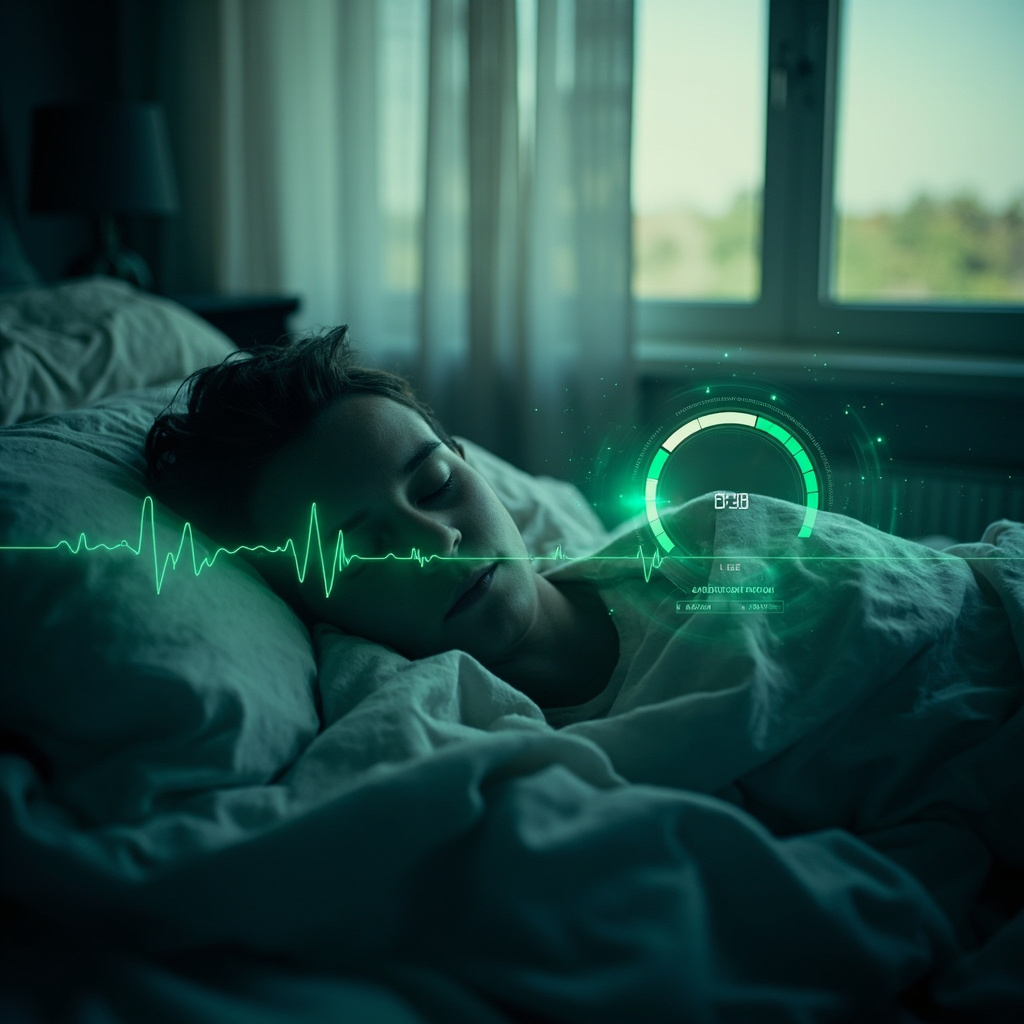
Waking Up Drained After a Full Night's Sleep?
You hit the pillow early, clock in seven or eight hours, yet morning feels like defeat. Foggy brain, dragging limbs, that endless need for caffeine just to function. Sound familiar? You're not lazy or broken – this hits millions who think sleep should fix everything. But it doesn't, because the issue hides deeper: your body isn't recovering during those hours.
Busy parents, stressed workers, even fitness buffs report this. You feel seen because you've tracked steps, eaten clean, maybe tried melatonin. Still, fatigue clings like a shadow. Why?
Common Fixes Fall Short – Here's Why
You've optimized your routine: no screens before bed, chamomile tea, weighted blankets. Maybe apps for white noise or supplements for deeper sleep stages. Results? Spotty at best. One week okay, next back to square one.
This builds frustration. "Am I doing it wrong?" No. These target surface symptoms – light, habits – but miss the core engine: your autonomic nervous system. It flips between stress (fight-or-flight) and rest (repair mode). When stuck in stress, sleep becomes shallow, unrestorative.
The Real Cause: Poor Adaptation Level
Enter adaptation level, a key marker from your heart's electrical signals (ECG). Think of your heartbeat: not robotic ticks, but subtle variations. These show nervous system balance. Heart rate variability (HRV) measures that wiggle room – high HRV means easy shifts from stress to calm.
Adaptation level (often tied to AMo in analysis) gauges how well your heart adapts to daily ups and downs. Low adaptation? Narrow heart rhythm range, like revving in neutral. Your body stays wired, even asleep. Cortisol lingers high, circadian rhythm glitches, recovery stalls.
New info: Most ignore this because wearables show basic HRV, missing full adaptation nuance. Curious? Low levels link to sleep biomarkers screaming unrestored energy.
How It Steals Your Sleep – The Mechanism
Nighttime should ramp parasympathetic activity (rest branch). Low adaptation keeps sympathetic dominance (stress branch). Result: fragmented deep sleep, low HRV overnight. You wake with adrenal fatigue, poor energy restoration.
Studies confirm: One from Cleveland Clinic notes high HRV signals adaptability to stress/relax (source). Another links poor sleep HRV to next-day fatigue (PMC9103972). Breathing patterns suffer too – shallow breaths worsen it.
Why past tries failed? Diets boost serotonin but can't rewire nervous adaptation. Pills sedate without fixing root imbalance. No blame – you lacked the insight.
Urgency: Ignore it, risk burnout, weakened immunity, chronic issues. Adaptation drops with age/stress, snowballing poor sleep into health decline.
Beyond Pills: Frequency and Current Therapies Emerge
Enter non-drug category: targeted frequencies (sound waves matching body rhythms), guided meditations, micro-currents (tiny safe pulses). These nudge heart/nerves toward balance, unlike generic apps.
Expensive alternatives? $5K neurofeedback clinics or $500/month coaching. These work but demand time/money. New tools bring lab-grade analysis home affordably.
Mechanism: Frequencies resonate structures, boosting adaptation like tuning a guitar. Micro-currents directly stimulate nerves. Anticipation builds – what if personalized?
BioCoherence: Science-Backed Implementation
BioCoherence turns ECG data (simple sensor recording) into 1500+ biomarkers, spotlighting your adaptation level. Low? It flags as priority.
Expert nod: Used by pros for circadian balance, HRV gains. Price? Fraction of specialists (sensor $100, software sub). Risk-free: Try explorations, see data.
Real Stories from Users
"After weeks, sleeping better, more energy. Less fog." – Mike N.
"Quality sleep improving, less tired despite age." – Raymond, 78.
"No more night screaming, calmer mind." – Parent of special needs child.
These echo your struggles: fatigue despite hours, now resolved via balanced adaptation.
Unlock Restorative Sleep with BioCoherence
BioCoherence software analyzes full-body electrical activity via ECG sensor. Computes biomarkers like adaptation level (/energy_mind/757-adaptation-level). Energy low? Agitation high? It maps links to organs, meridians.
Harmonic Boosts for Adaptation
Personalized audio frequencies make heart/nerves resonate. Structures (heart regions) sync; stimuli guide toward calm. Build post-exploration or from Basic Programs. Tutorials.
Personal Guide: Daily Inner Journeys
21-day program shifts daily. Adaptation as resource? Invoking words: "Feel your heart's flexible rhythm supporting rest." Priority? Direct attention: "Notice adaptation easing stress now."
Harmonizer: Micro-Currents On-Demand
Device applies real-time currents from 10,000+ programs or Basics. Targets adaptation for energy recovery.
As sleep coach, I see low adaptation spike cortisol, tank HRV. Users report deeper sleep, vitality post-balancing. Testimonials prove: pain gone, rest restored.
Start: Record exploration, run boosts. Track sleep quality biomarkers. Tips: Evening Personal Guide pre-bed; morning Harmonizer for circadian reset.
Join coherence.today – safe space for this journey.en:## Waking Up Drained After a Full Night's Sleep?
You hit the pillow early, clock in seven or eight hours, yet morning feels like defeat. Foggy brain, dragging limbs, that endless need for caffeine just to function. Sound familiar? You're not lazy or broken - this hits millions who think sleep should fix everything. But it doesn't, because the issue hides deeper: your body isn't recovering during those hours.
Busy parents, stressed workers, even fitness buffs report this. You feel seen because you've tracked steps, eaten clean, maybe tried melatonin. Still, fatigue clings like a shadow. Why?
Common Fixes Fall Short - Here's Why
You've optimized your routine: no screens before bed, chamomile tea, weighted blankets. Maybe apps for white noise or supplements for deeper sleep stages. Results? Spotty at best. One week okay, next back to square one.
This builds frustration. "Am I doing it wrong?" No. These target surface symptoms - light, habits - but miss the core engine: your autonomic nervous system. It flips between stress (fight-or-flight) and rest (repair mode). When stuck in stress, sleep becomes shallow, unrestorative.
The Real Cause: Poor Adaptation Level
Enter adaptation level, a key marker from your heart's electrical signals (ECG). Think of your heartbeat: not robotic ticks, but subtle variations. These show nervous system balance. Heart rate variability (HRV) measures that wiggle room - high HRV means easy shifts from stress to calm.
Adaptation level (often tied to AMo in analysis) gauges how well your heart adapts to daily ups and downs. Low adaptation? Narrow heart rhythm range, like revving in neutral. Your body stays wired, even asleep. Cortisol lingers high, circadian rhythm glitches, recovery stalls.
New info: Most ignore this because wearables show basic HRV, missing full adaptation nuance. Curious? Low levels link to sleep biomarkers screaming unrestored energy.
How It Steals Your Sleep - The Mechanism
Nighttime should ramp parasympathetic activity (rest branch). Low adaptation keeps sympathetic dominance (stress branch). Result: fragmented deep sleep, low HRV overnight. You wake with adrenal fatigue, poor energy restoration.
Studies confirm: One from Cleveland Clinic notes high HRV signals adaptability to stress/relax (source). Another links poor sleep HRV to next-day fatigue (PMC9103972). Breathing patterns suffer too - shallow breaths worsen it.
Why past tries failed? Diets boost serotonin but can't rewire nervous adaptation. Pills sedate without fixing root imbalance. No blame - you lacked the insight.
Urgency: Ignore it, risk burnout, weakened immunity, chronic issues. Adaptation drops with age/stress, snowballing poor sleep into health decline.
Beyond Pills: Frequency and Current Therapies Emerge
Enter non-drug category: targeted frequencies (sound waves matching body rhythms), guided meditations, micro-currents (tiny safe pulses). These nudge heart/nerves toward balance, unlike generic apps.
Expensive alternatives? $5K neurofeedback clinics or $500/month coaching. These work but demand time/money. New tools bring lab-grade analysis home affordably.
Mechanism: Frequencies resonate structures, boosting adaptation like tuning a guitar. Micro-currents directly stimulate nerves. Anticipation builds - what if personalized?
BioCoherence: Science-Backed Implementation
BioCoherence turns ECG data (simple sensor recording) into 1500 biomarkers, spotlighting your adaptation level. Low? It flags as priority.
Expert nod: Used by pros for circadian balance, HRV gains. Price? Fraction of specialists (sensor -$100, software sub). Risk-free: Try explorations, see data.
Real Stories from Users
"After weeks, sleeping better, more energy. Less fog." - Mike N.
"Quality sleep improving, less tired despite age." - Raymond, 78.
"No more night screaming, calmer mind." - Parent of special needs child.
These echo your struggles: fatigue despite hours, now resolved via balanced adaptation.
Unlock Restorative Sleep with BioCoherence
BioCoherence software analyzes full-body electrical activity via ECG sensor. Computes biomarkers like adaptation level (/energy_mind/757-adaptation-level). Energy low? Agitation high? It maps links to organs, meridians.
Harmonic Boosts for Adaptation
Personalized audio frequencies make heart/nerves resonate. Structures (heart regions) sync; stimuli guide toward calm. Build post-exploration or from Basic Programs. Tutorials.
Personal Guide: Daily Inner Journeys
21-day program shifts daily. Adaptation as resource? Invoking words: "Feel your heart's flexible rhythm supporting rest." Priority? Direct attention: "Notice adaptation easing stress now."
Harmonizer: Micro-Currents On-Demand
Device applies real-time currents from 10,000 programs or Basics. Targets adaptation for energy recovery.
As sleep coach, I see low adaptation spike cortisol, tank HRV. Users report deeper sleep, vitality post-balancing. Testimonials prove: pain gone, rest restored.
Start: Record exploration, run boosts. Track sleep quality biomarkers. Tips: Evening Personal Guide pre-bed; morning Harmonizer for circadian reset.
Join coherence.today - safe space for this journey.## الاستيقاظ مرهقًا بعد ليلة كاملة من النوم؟
تضرب الوسادة مبكرًا، الساعة تسجل سبع أو ثماني ساعات، ومع ذلك يبدو الصباح كأنه هزيمة. دماغ ضبابي، أطراف متعبة تجرّها، تلك الحاجة المستمرة للكافيين فقط لتتمكن من العمل. هل يبدو هذا مألوفًا؟ أنت لست كسولًا أو محطمًا - هذا يؤثر على الملايين الذين يعتقدون أن النوم يجب أن يحل كل شيء. لكنه لا يفعل، لأن المشكلة تكمن أعمق: جسمك لا يستعيد عافيته خلال تلك الساعات.
الآباء المشغولون، العمال المجهدون، حتى عشاق اللياقة البدنية يبلغون عن ذلك. تشعر بأنك مرئي لأنك تتبع الخطوات، تأكل طعامًا صحيًا، ربما جربت الميلاتونين. ومع ذلك، الإرهاق يتعلق كظل. لماذا؟
الحلول الشائعة لا تفيد - إليك السبب
لقد قمت بتحسين روتينك: لا شاشات قبل النوم، شاي البابونج، أغطية وزن. ربما تطبيقات للضوضاء البيضاء أو مكملات لمراحل أعمق من النوم. النتائج؟ متقطعة على أفضل تقدير. أسبوع جيد، ثم في الأسبوع التالي عدت إلى نقطة الصفر.
هذا يبني الإحباط. "هل أفعل ذلك بشكل خاطئ؟" لا. هذه تستهدف أعراض السطح - الضوء، العادات - لكنها تفوت المحرك الأساسي: الجهاز العصبي الذاتي الخاص بك. إنه يتنقل بين الإجهاد (القتال أو الهروب) و الراحة (وضع الإصلاح). عندما تكون عالقًا في الإجهاد، يصبح النوم ضحلًا، وغير مجدد.
السبب الحقيقي: مستوى التكيف الضعيف
أدخل مستوى التكيف، مؤشر رئيسي من إشارات قلبك الكهربائية (ECG). فكر في نبض قلبك: ليس نقرًا آليًا، بل تنوعات دقيقة. هذه تظهر توازن النظام العصبي. تغير معدل ضربات القلب (HRV) يقيس تلك المساحة للتحرك - HRV العالي يعني انتقالًا سهلاً من الإجهاد إلى الهدوء.
مستوى التكيف (غالبًا ما يرتبط بـ AMo في التحليل) يقيس مدى تأقلم قلبك مع تقلبات الحياة اليومية. مستوى تكيف منخفض؟ نطاق نبضات قلب ضيق، مثل التسريع في وضع الحياد. يبقى جسمك متوترًا، حتى أثناء النوم. الكورتيزول يبقى مرتفعًا، إيقاع الساعة البيولوجية يتعطل، والتعافي يتوقف.
معلومات جديدة: معظم الناس يتجاهلون هذا لأن الأجهزة القابلة للارتداء تظهر HRV الأساسي، مما يفوت الفروق الدقيقة للتكيف الكامل. فضولي؟ المستويات المنخفضة ترتبط بـ مؤشرات النوم التي تصرخ بالطاقة غير المستعادة.
كيف يسرق النوم الخاص بك - الآلية
يجب أن تزيد النشاط الباراسمباثوي في الليل (فرع الراحة). مستوى التكيف المنخفض يحافظ على هيمنة السمباثوي (فرع الإجهاد). النتيجة: نوم عميق متقطع، انخفاض HRV طوال الليل. تستيقظ مع إرهاق الغدة الكظرية الإرهاق، وضعف استعادة الطاقة.
تؤكد الدراسات: واحدة من عيادة كليفلاند تشير إلى أن HRV العالي يشير إلى القابلية للتكيف مع الإجهاد/الاسترخاء (المصدر). أخرى تربط بين انخفاض HRV النوم والإرهاق في اليوم التالي الإرهاق (PMC9103972). أنماط التنفس تتأثر أيضًا - التنفس الضحل يزيدها سوءًا.
لماذا فشلت المحاولات السابقة؟ الأنظمة الغذائية تعزز السيروتونين ولكن لا يمكنها إعادة توصيل التكيف العصبي. الأدوية تهدئ بدون إصلاح عدم التوازن الجذري. لا تلوم - لقد كنت تفتقر إلى الرؤية.
العجلة: تجاهل ذلك، يهدد بالتعب، ضعف المناعة، ومشاكل مزمنة. ينخفض التكيف مع التقدم في العمر/الإجهاد، مما يؤدي إلى تفاقم ضعف النوم إلى تدهور الصحة.
ما بعد الأدوية: تكنولوجيا الترددات الحالية تظهر
أدخل فئة غير دوائية: الترددات المستهدفة (موجات صوتية تتطابق مع إيقاعات الجسم)، التأملات الموجهة، التيارات الدقيقة (نبضات صغيرة وآمنة). هذه تدفع القلب/الأعصاب نحو التوازن، على عكس التطبيقات العامة.
بدائل باهظة الثمن؟ عيادات التغذية العصبية بتكلفة 5 آلاف دولار أو 500 دولار شهريًا للتدريب. هذه تعمل ولكن تتطلب وقتًا ومالًا. الأدوات الجديدة تجلب تحليل من مستوى المختبر إلى المنزل بأسعار معقولة.
الآلية: تتناغم الترددات مع الهياكل، مما يعزز التكيف مثل ضبط الجيتار. التيارات الدقيقة تحفز مباشرة الأعصاب. تتزايد التوقعات - ماذا لو كانت مخصصة؟
BioCoherence: تنفيذ مدعوم علميًا
برنامج BioCoherence يحول بيانات ECG (تسجيل بسيط عبر مستشعر) إلى 1500 مؤشر حيوي، يسلط الضوء على مستوى التكيف الخاص بك. منخفض؟ يتم تمييزه كأولوية.
إشارة خبير: يستخدمه المحترفون لتحقيق التوازن البيولوجي، وزيادة HRV. السعر؟ جزء بسيط من تكلفة المتخصصين (مستشعر -$100، اشتراك البرنامج). خالي من المخاطر: جرب الاستكشافات، اطلع على البيانات.
قصص حقيقية من المستخدمين
"بعد أسابيع، أنام بشكل أفضل، طاقة أكثر. ضباب أقل." - مايك ن.
"جودة النوم تتحسن، أقل تعب على الرغم من العمر." - ريموند، 78.
"لا صراخ ليلي بعد الآن، عقل أكثر هدوءًا." - والد طفل ذو احتياجات خاصة.
هذه تعكس صراعاتك: الإرهاق على الرغم من الساعات، تم حله الآن عبر التكيف المتوازن.
افتح النوم التجديدي مع BioCoherence
برنامج BioCoherence يحلل النشاط الكهربائي الكامل للجسم عبر مستشعر ECG. يحسب مؤشرات مثل مستوى التكيف (/energy_mind/757-adaptation-level). الطاقة منخفضة؟ التوتر مرتفع؟ يرسم الروابط إلى الأعضاء، الميريديان.
تعزيزات هارمونية للتكيف
ترددات صوتية شخصية تجعل القلب/الأعصاب تتناغم. الهياكل (مناطق القلب) تتزامن؛ المحفزات توجه نحو الهدوء. بناءً على الاستكشاف أو من برامج أساسية. الدروس التعليمية.
دليل شخصي: رحلات داخلية يومية
برنامج مدته 21 يومًا يغير يوميًا. التكيف كـ موارد؟ استدعاء الكلمات: "اشعر بإيقاع قلبك المرن يدعم الراحة." الأولوية؟ توجيه الانتباه: "لاحظ التكيف يخفف الإجهاد الآن."
المحسن: التيارات الدقيقة عند الطلب
الجهاز يطبق تيارات في الوقت الحقيقي من 10,000 برنامج أو أساسيات. يستهدف التكيف من أجل استعادة الطاقة.
كمدرب للنوم، أرى انخفاض التكيف يؤدي إلى ارتفاع الكورتيزول، وانخفاض HRV. المستخدمون يبلغون عن نوم أعمق النوم، وزيادة الحيوية بعد التوازن. الشهادات تثبت: اختفاء الألم، واستعادة الراحة.
ابدأ: سجل الاستكشاف، قم بتشغيل التعزيزات. تتبع جودة النوم المؤشرات الحيوية. نصائح: دليل شخصي في المساء قبل النوم؛ المحسن في الصباح لإعادة ضبط الساعة البيولوجية.
انضم إلى coherence.today - مساحة آمنة لهذه الرحلة.
- 1. youtube.com
- 2. pmc.ncbi.nlm.nih.gov
- 3. hum-ecol.ru
- 4. researchgate.net
- 5. sciencedirect.com
- 6. biocoherence.net
- 7. wjpls.org
- 8. mdpi.com
- 9. pubmed.ncbi.nlm.nih.gov
- 10. instagram.com
- 11. biocoherence.net
- 12. journals.sagepub.com
- 13. frontiersin.org
- 14. insightcla.com
- 15. facebook.com
- 16. my.clevelandclinic.org
- 17. mdpi.com
- 18. sciencedirect.com
- 19. upcommons.upc.edu
- 20. researchgate.net
- 21. labfront.com
- 22. sciencedirect.com
- 23. pmc.ncbi.nlm.nih.gov
- 24. youtube.com
- 25. nature.com
- 26. frontiersin.org
- 27. pmc.ncbi.nlm.nih.gov
- 28. anatoljcardiol.com
- 29. ouci.dntb.gov.ua
- 30. academic.oup.com
- 31. dovepress.com
- 32. sleepdoctor.com
- 33. insightcla.com
- 34. pmc.ncbi.nlm.nih.gov
- 35. livity-app.com
- 36. bio.visnyk.knu.ua
- 37. mdpi.com
- 38. mdpi.com
- 39. indiegogo.com
- 40. qaly.co
- 41. biocoherence.net
- 42. researchgate.net
- 43. researchgate.net
- 44. researchgate.net
- 45. webmd.com
- 46. pmc.ncbi.nlm.nih.gov
- 47. sciencedirect.com
- 48. pmc.ncbi.nlm.nih.gov
- 49. pubmed.ncbi.nlm.nih.gov
- 50. trailgenic.com
- 51. instagram.com
- 52. frontiersin.org
- 53. verjournal.com
المشاركات ذات الصلة
قاموس المصطلحات
- الطاقة والهياكل الذهنية > ساعة
- الطاقة والهياكل الذهنية > المناعة
- الطاقة والهياكل الذهنية > الميريديان
- مناطق الجسم > الأعصاب
- الطاقة والهياكل الذهنية > الأعضاء
- وصفات الطب الصيني التقليدي > صحة القلب: علاجات للقلق والخفقان
- وصفات الطب الصيني التقليدي > زيادة طاقتك: وصفة الطب التقليدي الصيني لتخفيف التعب
- الطاقة والهياكل الذهنية > نوم
- الطاقة والهياكل الذهنية > الحيوية
- الطاقة والهياكل الذهنية > الأطراف، الجلد
- الطاقة والهياكل الذهنية > إجهاد
- محفزات > سيروتونين
- محفزات > بابونج
- محفزات > ألم
- نغمات ثنائية الأذن > الجهاز العصبي: برنامج لتحقيق التوازن العاطفي والاسترخاء
- محفزات > تحفيز
- محفزات > الميلاتونين
see also...
- الطاقة والهياكل الذهنية > HRV
- الطاقة والهياكل الذهنية > مناطق الجسم > بلازما
- الطاقة والهياكل الذهنية > وصفات الطب الصيني التقليدي > تخفيف صداع التوتر: نهج طبيعي لتخفيف الضغط
- نغمات ثنائية الأذن > محفزات > الميلاتونين
- نغمات ثنائية الأذن > التحول: رحلة صوتية للتغيير الشخصي
- Testimonials > انخفاض بنسبة 61% في الغثيان و58% في الصداع من العلاج الصوتي