


Epifiz: Pineal bez, derin uykuya anahtar
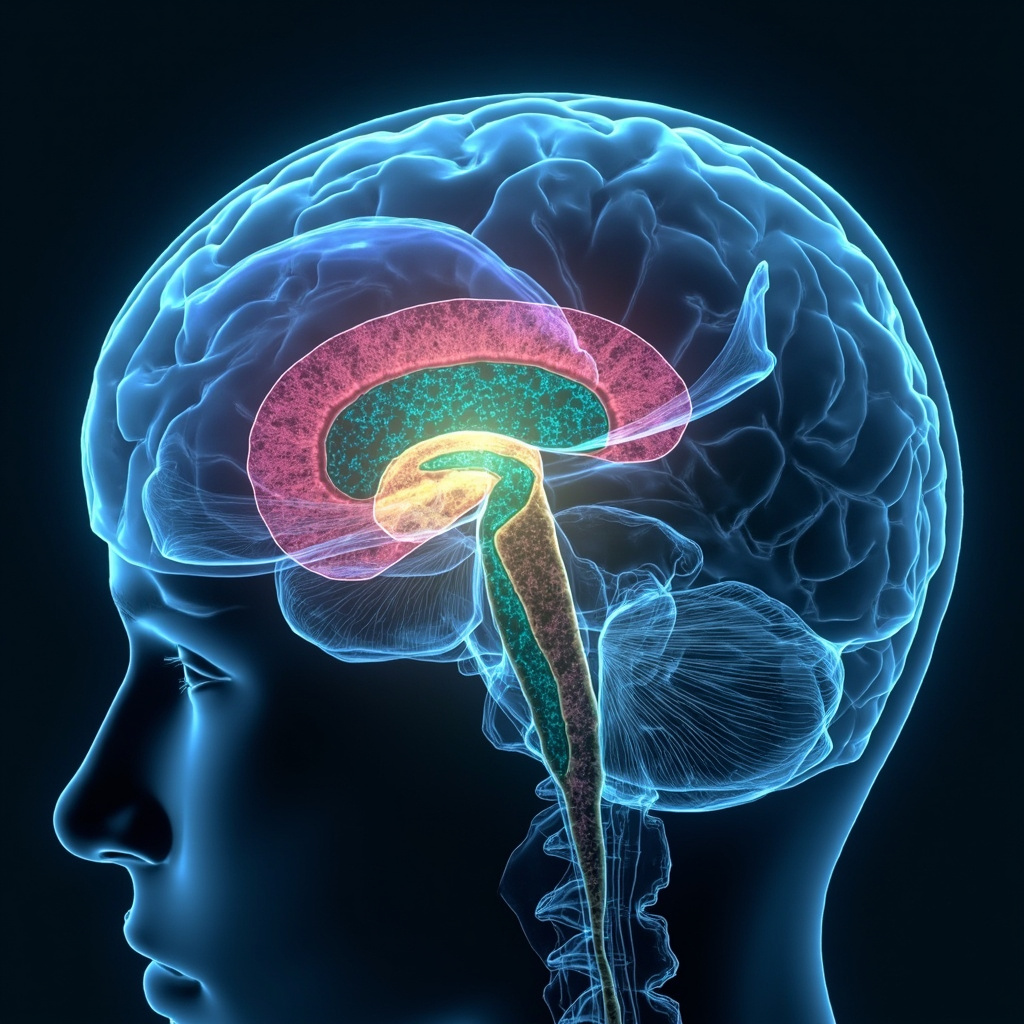
Nestled deep in the brain, the epiphysis, or pineal gland, acts as your body's natural timekeeper. This small, pea-shaped structure produces melatonin, the hormone that signals when it's time to wind down and sleep. By responding to light and darkness, it keeps your circadian rhythm-your internal 24-hour clock-in perfect sync, promoting deep, restorative rest.
Location and Basic Function
Picture the brain divided into two hemispheres. The epiphysis rests right in the middle, near where the thalamus halves meet, above the brainstem. It receives light signals from your eyes via a pathway called the suprachiasmatic nucleus, the brain's master clock. During the day, light suppresses melatonin. At night, darkness triggers its release, peaking around 2-4 a.m. to help you fall asleep and stay asleep.
This rhythm influences more than just bedtime. It affects body temperature, hormone levels like cortisol, and even heart rate variability (HRV), a key marker of recovery and stress resilience.
Emotional and Spiritual Links
The epiphysis does more than manage sleep. It's tied to feelings of inner wisdom, spiritual connection, and purpose. When balanced, it fosters clarity and a sense of unity with the world. Imbalances may show as confusion, existential unease, or blocked intuition-often mirroring poor sleep and erratic moods.
In my coaching, I see how nurturing this gland enhances emotional stability, reducing stress hormones and boosting positivity during recovery phases.
Signs of Imbalance
A struggling epiphysis disrupts everything:
- Trouble falling or staying asleep (insomnia)
- Daytime fatigue despite hours in bed
- Mood swings, depression, or anxiety
- Irregular cycles in women or low energy in men
- Poor HRV, signaling stress overload
Factors like aging, calcification (calcium buildup), blue light exposure, or shift work can weaken it, leading to fragmented sleep and low vitality.
Exciting New Research
Recent Yale University studies (April 2026) created lab-grown pineal gland organoids from stem cells. These mini-organs produce real melatonin and mimic circadian responses. They've revealed why sleep fails in conditions like Angelman syndrome, autism, depression, bipolar disorder, and Alzheimer's-often due to reduced melatonin output.
Organoids even replaced glands in mice, sustaining blood melatonin levels. This opens doors to new treatments, like cell transplants for severe sleep issues, advancing our understanding of circadian balance.
Supporting Your Epiphysis for Better Sleep
You can help it thrive with simple habits:
- Dim lights evenings: Avoid screens 2 hours before bed to boost natural melatonin.
- Consistent schedule: Same sleep-wake times align rhythms.
- Morning sunlight: Resets your clock for stronger nighttime signals.
- Breathing practices: Deep belly breaths improve HRV and relaxation.
- Nutrition: Foods rich in tryptophan (turkey, bananas) support melatonin precursors.
- Meditation: Focus on inner calm activates parasympathetic recovery.
Track progress via sleep patterns and energy. In BioCoherence assessments, epiphysis biomarkers reveal energy levels, agitation, and links to other systems-for targeted balancing.
Epiphysis as a Healing Resource
When strong, the epiphysis aids the whole body. It regulates sleep for organs like adrenals (cortisol balance) and heart (HRV), enhances brain clarity, and supports vitality. Use it in inner journeys: Visualize its light guiding restful nights and purposeful days.
Prioritize your epiphysis for profound sleep recovery. Sweet dreams await.
- 1. researchgate.net
- 2. ideas.repec.org
- 3. powerofthesmile.com
- 4. drstevenlin.com
- 5. lifeboat.com
- 6. caringmedical.com
- 7. ncbi.nlm.nih.gov
- 8. acc.org
- 9. nature.com
- 10. pmc.ncbi.nlm.nih.gov
- 11. news-medical.net
- 12. facebook.com
- 13. sciencedirect.com
- 14. ayurindus.com
- 15. psychiatryonline.org
- 16. pmc.ncbi.nlm.nih.gov
- 17. aging-us.com
- 18. pubmed.ncbi.nlm.nih.gov
- 19. frontiersin.org
- 20. mdpi.com
- 21. science.org
- 22. healthline.com
- 23. medicine.yale.edu
- 24. spiritualityhealth.com
- 25. newsroom.heart.org
- 26. iris.cnr.it
- 27. medicine.yale.edu
- 28. scholars.uthscsa.edu
- 29. my.clevelandclinic.org
- 30. webmd.com
- 31. instagram.com
- 32. sciencedirect.com
- 33. linkedin.com
- 34. pubmed.ncbi.nlm.nih.gov
- 35. pedagogyeducation.com
- 36. patient.info
- 37. youtube.com
- 38. nature.com
- 39. link.springer.com
- 40. jbsr.be
- 41. pmc.ncbi.nlm.nih.gov
- 42. sciencedirect.com
- 43. medicine.yale.edu
- 44. medicine.yale.edu
- 45. eaapublishing.org
- 46. globalhealing.com
İlgili gönderiler
Sözlük
- Enerji ve zihin Yapıları > Odaklı Koherens; Odak
- Enerji ve zihin Yapıları > Yapı
- Enerji ve zihin Yapıları > Amaç
- Enerji ve zihin Yapıları > Saat
- Vücut bölgeleri > bezler
- Vücut bölgeleri > epifiz
- Vücut bölgeleri > hormonlar
- Vücut bölgeleri > parasempatik
- Vücut bölgeleri > gözler
- Enerji ve zihin Yapıları > Organlar
- TCM Tarifleri > Kalp Sağlığı: Anksiyete ve Çarpıntılar için Çözümler
- TCM Tarifleri > Beyin Güçlendirme: Sisleri Giderin, Dikkatinizi ve Hafızanızı Geliştirin
- TCM Tarifleri > Bitkisel Rahatlama: Modunu Yükseltmek İçin TCM Yaklaşımı
- TCM Tarifleri > Enerjinizi artırın: Yorgunluk giderici bir TCM tarifi
- Enerji ve zihin Yapıları > uyku
- Enerji ve zihin Yapıları > canlılık
- Enerji ve zihin Yapıları > Stres
- Uyarıcılar > SIDA
- Uyarıcılar > Kan
- Uyarıcılar > Melatonin
see also...
- Enerji ve zihin Yapıları > HRV
- Enerji ve zihin Yapıları > Vücut bölgeleri > gözler
- Enerji ve zihin Yapıları > TCM Tarifleri > Gergin Baş Ağrısı Giderimi: Stresi Hafifletmek İçin Doğal Bir Yaklaşım
- Testimonials > Ses Terapisi ile Mide Bulantısında a ve Baş Ağrısında X Azalma
- Binaural ritimler > Uyarıcılar > Melatonin