


Beyin: Sakinlik ve Kontrol için Komuta Merkezi
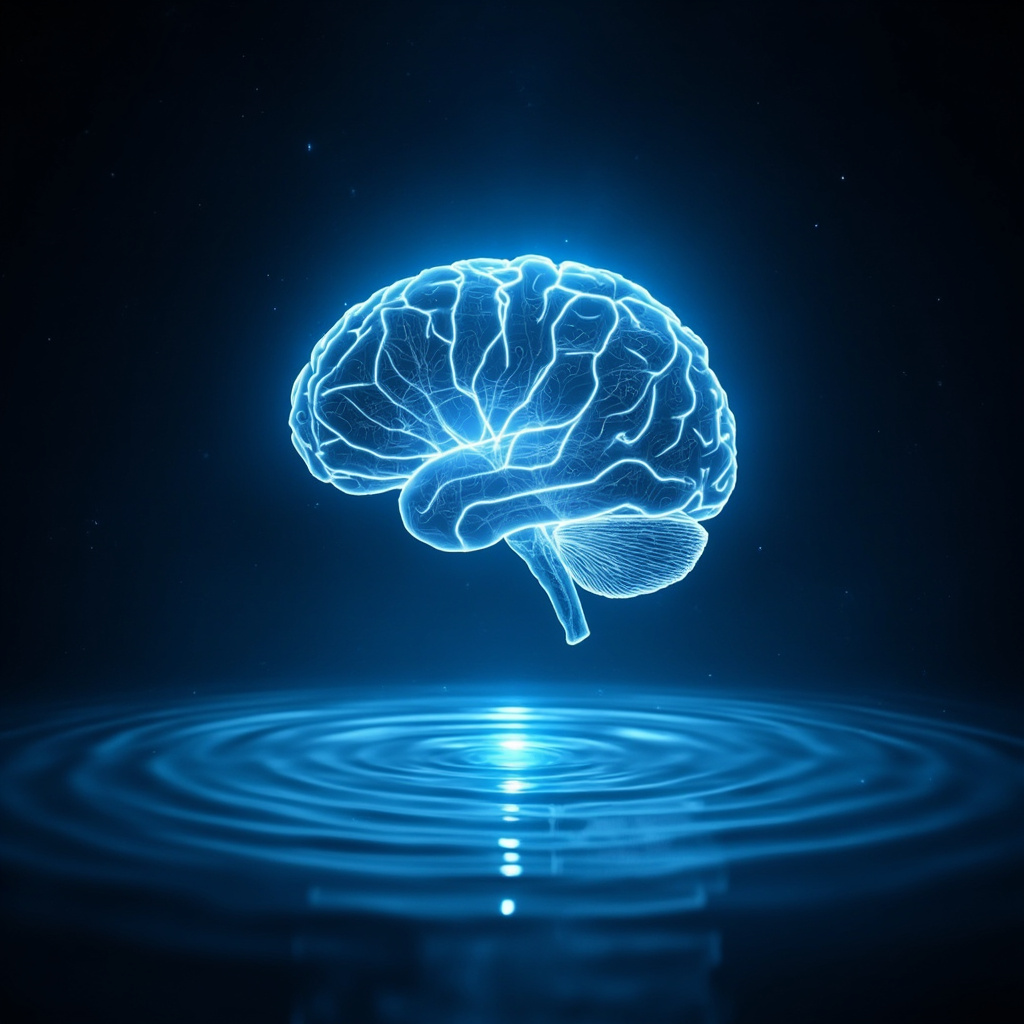
The Brain: Your Command Center
The brain, housed safely in the skull, serves as the central hub of the nervous system. It manages everything from thoughts and memories to emotions, touch sensations, movement, vision, breathing, and body temperature. Learn more in the glossary.
When working well, the brain processes information from your senses, keeps bodily functions in harmony, and supports advanced thinking like problem-solving and creativity. It acts as a coordinator, sending signals to ensure smooth operation across your body.
Emotional Ties to the Brain
Beyond physical control, the brain shapes your emotional world. It influences feelings of control, decision-making, and intellectual strength. When stressed, you might feel a loss of grip on situations, self-doubt about your abilities, or overwhelm from daily pressures.
These emotional challenges can stem from perceived threats to your smarts or authority in life. Unresolved tensions may show up as foggy thinking, mood shifts, or even bigger issues like anxiety or fatigue. Recognizing these links helps you address root causes for true balance.
Spotting Brain Imbalance
Signs of strain include:
- Persistent mental chatter or racing thoughts
- Difficulty focusing or making decisions
- Emotional ups and downs, like irritability or low mood
- Physical clues such as headaches, poor sleep, or tension
Biomarkers like heart rate variability (HRV) and stress levels offer windows into brain health. Low HRV signals poor stress recovery, while high agitation points to overactive neural patterns. Tracking these helps tailor practices for better regulation.
Meditation: Harnessing the Brain as a Resource
A healthy brain supports other body parts by directing neural signals, stabilizing processes, and promoting overall harmony. As a resource, it enhances efficiency, sharpens responses, and boosts well-being.
Meditation activates this potential. Simple breath focus or mindfulness quiets inner noise, strengthens neural pathways, and improves emotional regulation. Over time, it builds stress resilience, elevates mood, and fosters clarity.
Start with short sessions:
- Sit comfortably, eyes closed.
- Notice your breath's natural rhythm.
- When thoughts wander, gently return to the breath.
Aim for 7-10 minutes daily. Pair with HRV awareness-deep, slow breaths increase variability, signaling parasympathetic calm.
New Research: Meditation Rewires the Brain
Fresh evidence from the University of California San Diego shows profound shifts after just seven days of intensive meditation and mind-body practices. In a retreat with about 33 hours of guided sessions, participants experienced:
- Reduced activity in brain areas tied to mental chatter, leading to more efficient thinking
- Boosted neuroplasticity, with blood changes promoting new neuron connections
- Balanced immune signals and natural pain relief through higher opioid levels
- Brain patterns mimicking psychedelic states, linked to mystical experiences and better connectivity
Lead researcher Hemal H. Patel notes: "This isn't about just stress relief; this is about fundamentally changing how the brain engages with reality."
These findings highlight meditation's power for emotional balance, mental clarity, and health. Even beginners saw rapid gains, underscoring accessibility.
Practical Steps for Brain Balance
Incorporate meditation to regulate your nervous system:
- Breathing exercises: 4-7-8 pattern (inhale 4, hold 7, exhale 8) to lift HRV.
- Mindfulness scans: Move attention through the body, easing agitation.
- Contemplative focus: Visualize calm scenarios to rewire stress responses.
Consistent practice refines these, using feedback from stress and HRV trends. Feel the shift toward lasting inner calm.
Your brain holds the key to coordinated living. Nurture it with meditation for empowered emotions and vibrant health.
- 1. news.harvard.edu
- 2. nature.com
- 3. pmc.ncbi.nlm.nih.gov
- 4. clinicaltrials.ucsf.edu
- 5. brainchanges.org
- 6. sciencedirect.com
- 7. facebook.com
- 8. nature.com
- 9. livelongmedia.com
- 10. verywellmind.com
- 11. accessjca.org
- 12. news.unchealthcare.org
- 13. health.harvard.edu
- 14. scientificamerican.com
- 15. sciencedaily.com
- 16. medicalnewstoday.com
- 17. webmd.com
- 18. powershealth.org
- 19. m.economictimes.com
- 20. youtube.com
- 21. health.harvard.edu
- 22. embs.org
- 23. salk.edu
- 24. nctneurofeedback.com
- 25. polyu.edu.hk
- 26. facebook.com
- 27. medicalxpress.com
- 28. pmc.ncbi.nlm.nih.gov
- 29. sciencealert.com
- 30. news.mit.edu
- 31. pmc.ncbi.nlm.nih.gov
- 32. medium.com
- 33. mountsinai.org
- 34. lakeforest.edu
- 35. frontiersin.org
- 36. psychologytoday.com
- 37. nypost.com
- 38. nature.com
- 39. news.utdallas.edu
- 40. nature.com
- 41. neuroscience.stanford.edu
- 42. pmc.ncbi.nlm.nih.gov
- 43. youtube.com
- 44. blog.ultrahuman.com
- 45. euronews.com
- 46. youtube.com
- 47. newsweek.com
İlgili gönderiler
Sözlük
- Enerji ve zihin Yapıları > Odaklı Koherens; Odak
- Enerji ve zihin Yapıları > Düzenleme
- Enerji ve zihin Yapıları > Zihinsel
- Vücut bölgeleri > beyin
- Vücut bölgeleri > parasempatik
- Vücut bölgeleri > hissler
- Vücut bölgeleri > gözler
- TCM Tarifleri > Ağrı Kesici: Kas-iskelet ağrısını ve iltihabı yatıştırma
- TCM Tarifleri > Beyin Güçlendirme: Sisleri Giderin, Dikkatinizi ve Hafızanızı Geliştirin
- TCM Tarifleri > Enerjinizi artırın: Yorgunluk giderici bir TCM tarifi
- Enerji ve zihin Yapıları > uyku
- Enerji ve zihin Yapıları > hareket
- Enerji ve zihin Yapıları > Theta; 4.31-6.97 Hz. Hafif uyku, meditasyon.
- Enerji ve zihin Yapıları > Stres
- Uyarıcılar > Ay - Burun Geçidi, Nefes Alma, Tat
- Uyarıcılar > Ağrı
- Uyarıcılar > Uyum
- Uyarıcılar > Kan
see also...
- Enerji ve zihin Yapıları > HRV
- Enerji ve zihin Yapıları > Vücut bölgeleri > gözler
- Enerji ve zihin Yapıları > TCM Tarifleri > Gergin Baş Ağrısı Giderimi: Stresi Hafifletmek İçin Doğal Bir Yaklaşım
- Testimonials > Ses Terapisi ile Mide Bulantısında a ve Baş Ağrısında X Azalma
- Binaural ritimler > Uyarıcılar > Variolinum