


脳-心臓-神経:TCM調和の鍵
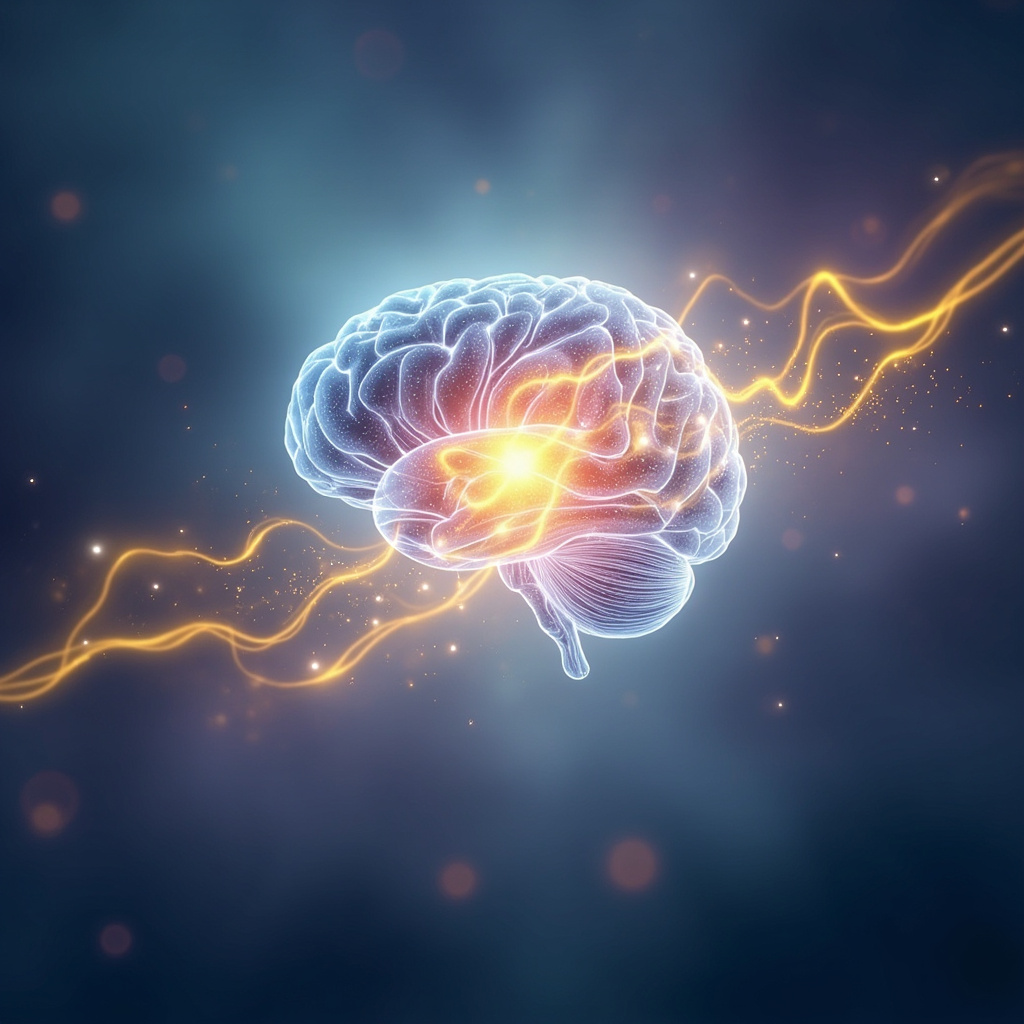
The Essential Connection
Your brain, heart, and nervous system form a vital network that influences every thought, feeling, and bodily function. Recent research shows that simple practices like meditation can change brain patterns in as little as seven days, improving focus, reducing pain, and strengthening immunity. This aligns closely with Traditional Chinese Medicine (TCM) principles, where harmony among these centers ensures smooth qi flow-the life energy that keeps us balanced.
In TCM, disruptions here lead to issues like stress, foggy thinking, or restless sleep. By nurturing their balance, we support overall well-being. For deeper insights, see the glossary on brain-heart-nervous system.
Heart: Seat of Shen and Emotions
The heart in TCM is more than a pump; it houses shen, your spirit and consciousness. A calm heart brings joy, clear decisions, and emotional stability. When qi stagnates, you might feel anxiety or palpitations.
- Strong heart shen fosters compassion and intuition.
- Imbalance links to overthinking or insomnia.
- Linked to the fire element, it influences circulation and vitality.
Supporting the heart smooths emotional waves, much like steady breathing in meditation calms the mind.
Brain: Marrow and Essence Hub
The brain draws from kidney essence, governing memory, intelligence, and coordination. In TCM, it's the sea of marrow, nourished by rest and proper fluids.
- Healthy brain essence sharpens focus and creativity.
- Deficiency shows as dizziness, poor concentration, or aging signs.
- Ties to the water element, supporting long-term vitality.
Practices that build essence, such as gentle movement, mirror how frequencies in sound therapy enhance neural pathways.
Nervous System: Meridians in Action
The nervous system channels qi through meridians, connecting body and mind. It responds to stress like wind scattering leaves, causing tension or fatigue.
- Balanced nerves promote restful sleep and quick reflexes.
- Blockages lead to numbness, worry, or hyperactivity.
- Relates to wood element for flexibility and growth.
TCM views nerves as bridges for yin-yang equilibrium, easing the shift between action and rest.
Harmony Through Subtle Energies
In holistic views like Ayurveda, subdoshas for these areas boost mental clarity, emotional balance, and neurological function. When strong, they transfer energy to other organs, uplifting the whole body.
TCM echoes this: Aligning five elements-wood for nerves, fire for heart, water for brain-restores flow. Emotions play a key role; unresolved grief burdens lungs and heart, while anger tightens liver and nerves.
Signs of Imbalance
- Brain: Forgetfulness, headaches.
- Heart: Restlessness, chest tightness.
- Nerves: Tingling, insomnia, irritability.
Paths to Balance
- Breath work: Slow inhales activate parasympathetic rest.
- Gentle herbs: Formulas like those calming shen soothe the heart.
- Acupoints: Press heart meridian points for quick calm.
- Daily rhythm: Align with nature's cycles for yin nourishment.
As a Resource for Well-Being
When these centers thrive, they become powerful resources. Mental clarity cuts through confusion, emotional balance builds resilience, and strong neurological function energizes daily life. Energy flows outward, aiding digestion, immunity, and rejuvenation.
Recent studies on meditation confirm this: Brainwaves shift rapidly, promoting coherence between heart rhythms and neural activity. In TCM terms, this is qi resonating in harmony, opening meridians for healing.
Cultivate this by tuning into your inner flow. Start with five minutes of focused breathing daily-feel the connection deepen. Your body knows the way back to balance.
- 1. euronews.com
- 2. youtube.com
- 3. utsouthwestern.edu
- 4. facebook.com
- 5. revolutionhealth.org
- 6. meditationmusiclibrary.com
- 7. news.vumc.org
- 8. sciencedaily.com
- 9. bpspubs.onlinelibrary.wiley.com
- 10. nacfl.com
- 11. pubs.acs.org
- 12. pmc.ncbi.nlm.nih.gov
- 13. easyayurveda.com
- 14. nature.com
- 15. instagram.com
- 16. healthline.com
- 17. pmc.ncbi.nlm.nih.gov
- 18. medicalxpress.com
- 19. sciencedirect.com
- 20. banyanbotanicals.com
- 21. topdoctormagazine.com
- 22. jacc.org
- 23. ayurveda-badems.com
- 24. instagram.com
- 25. pubmed.ncbi.nlm.nih.gov
- 26. iaminharmony.com
- 27. dovepress.com
- 28. webmd.com
- 29. hms.harvard.edu
- 30. nature.com
- 31. kottakkal.shop
- 32. science.howstuffworks.com
- 33. frontiersin.org
- 34. pmc.ncbi.nlm.nih.gov
- 35. news.mit.edu
関連投稿
用語集
- エネルギーと心の構造 > 集中コヒーレンス; フォーカス
- エネルギーと心の構造 > 火
- エネルギーと心の構造 > 水
- エネルギーと心の構造 > 悲しみ
- エネルギーと心の構造 > メモリ
- エネルギーと心の構造 > 集中力
- エネルギーと心の構造 > 免疫力
- エネルギーと心の構造 > 経絡
- 身体ゾーン > 肺
- 身体ゾーン > 神経
- 身体ゾーン > 副交感神経
- 身体ゾーン > 胸部
- エネルギーと心の構造 > 臓器
- 中医学レシピ > 循環:エネルギーを高め、四肢を温める
- 中医学レシピ > 肝臓の健康:バランスと落ち着きをもたらすTCMレシピ
- 中医学レシピ > 心臓の健康:不安と動悸のための療法
- 中医学レシピ > 脳のブースト:霧を晴らし、集中力と思い出を改善する
- 中医学レシピ > エネルギーを高める:疲労回復のためのTCMレシピ
- エネルギーと心の構造 > 睡眠
- エネルギーと心の構造 > 活力
- エネルギーと心の構造 > 液体
- エネルギーと心の構造 > 平衡
- エネルギーと心の構造 > 動き
- エネルギーと心の構造 > 脳、心臓、神経系
- エネルギーと心の構造 > 消化
- エネルギーと心の構造 > シータ 4.31-6.97 Hz。軽い睡眠、瞑想。
- エネルギーと心の構造 > ストレス
- 刺激 > IGF1、成長
- 刺激 > 月 - 鼻腔、呼吸、味覚
- 刺激 > 痛み
- バイノーラルビート > 神経系:感情のバランスとリラクゼーションのためのプログラム
- 刺激 > リード
- 刺激 > 調和