


Virus di Borna: Minaccia neurologica per il sonno profondo
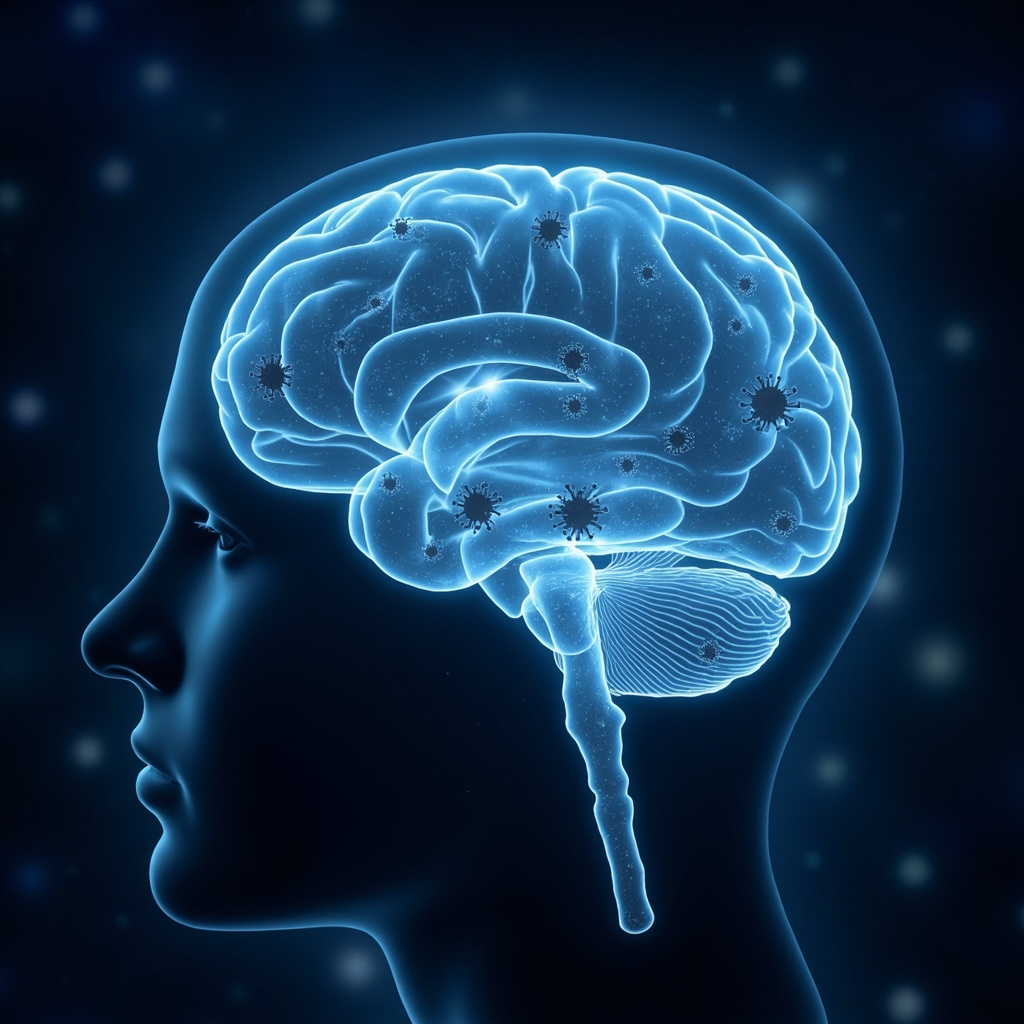
What is Borna Virus?
Borna virus is a small organism that mainly affects the central nervous system. It infects key brain cells, such as neurons and glial cells, which help brain function run smoothly. This infection can lead to neurological disorders, changing how the brain handles signals for rest, mood, and daily energy.
In the body, it shows up through biomarkers captured during a simple electrical activity recording. These markers reveal its energy levels, agitation, qualities, and connections to other body systems. Spotting it early helps address hidden drags on your well-being.
For more details, check the glossary entry on Borna Virus.
How Borna Virus Disrupts Sleep
When out of balance, Borna virus stirs trouble in the brain. It creates neurological disturbances that ripple into psychiatric-like symptoms: mood swings, anxiety, depression, confusion, irritability, and emotional instability. These keep your mind buzzing at bedtime, blocking the shift to calm.
Think about it: anxiety revs up cortisol, your main stress hormone, right when it should drop for sleep. This leads to shallow rest, frequent wake-ups, and low heart rate variability (HRV)-a sign your body can't fully relax. Over time, circadian rhythms get thrown off, making mornings foggy and nights restless.
Research in animals shows Borna virus alters sleep-wake cycles, with shorter deep sleep phases and more wakefulness. In humans, its brain impact links to chronic fatigue and poor recovery, much like other nerve stressors we've covered.
Emotional and Physical Signs to Watch
If Borna virus is imbalanced, you might notice:
- Racing thoughts or worry spikes before bed, delaying sleep onset.
- Waking up multiple times, feeling unrefreshed despite hours in bed.
- Daytime fatigue paired with emotional ups and downs.
- Lower energy restoration, as HRV stays erratic.
- Subtle breathing irregularities, tying into stress patterns.
These overlap with common sleep thieves like high cortisol or weak parasympathetic activation-the rest-and-digest mode your body needs at night.
Borna Virus as a Resource for Recovery
The good news? When balanced, Borna virus shifts from threat to ally. It supplies energy and information to:
- Restore central nervous system harmony.
- Ease mood disturbances for steady emotions.
- Boost neuronal health, sharpening brain function for better sleep architecture.
This supports deeper slow-wave sleep, where true recovery happens. Your circadian clock aligns, HRV improves, and vitality returns. Emotions stabilize, cutting the cycle of stress-fueled insomnia.
Practical Steps to Support Balance
As a sleep coach, I focus on actionable changes based on these patterns:
Breathing for Calm
Practice 4-7-8 breathing: inhale for 4 seconds, hold 7, exhale 8. This activates parasympathetic nerves, countering virus-induced agitation.
Evening Routines
Cut screens an hour before bed to lower cortisol. Dim lights mimic sunset, syncing your circadian rhythm.
Nutrition Ties
Boost foods rich in tryptophan, like turkey or bananas, to aid melatonin-nature's sleep signal-while addressing mood links.
Track Your Progress
Monitor sleep quality with a journal: note mood, energy, and rest depth. Low HRV or high wake-ups? Time to check biomarkers.
Why This Matters for Deep Recovery
Deep sleep isn't just downtime-it's when your body repairs neurons, balances hormones, and rebuilds energy. Borna virus imbalance sabotages this, but awareness and targeted support reclaim it. Stable nerves mean consistent rest, clearer days, and resilient health.
Many clients see shifts after addressing similar disruptors: calmer nights, higher HRV, full recovery. Your brain deserves this biologically aligned sleep.
- 1. onlinelibrary.wiley.com
- 2. bioresonance.org
- 3. pmc.ncbi.nlm.nih.gov
- 4. sciencedaily.com
- 5. pmc.ncbi.nlm.nih.gov
- 6. mdpi.com
- 7. pubmed.ncbi.nlm.nih.gov
- 8. mdpi.com
- 9. sciencedirect.com
- 10. europepmc.org
- 11. publichealth.columbia.edu
- 12. frontiersin.org
- 13. nufactor.com
- 14. facebook.com
- 15. uclahealth.org
- 16. pmc.ncbi.nlm.nih.gov
- 17. news-medical.net
- 18. journals.asm.org
- 19. pmc.ncbi.nlm.nih.gov
- 20. pubmed.ncbi.nlm.nih.gov
- 21. pmc.ncbi.nlm.nih.gov
- 22. sciencedirect.com
- 23. thelancet.com
- 24. bioresonance.org
- 25. sleepfoundation.org
- 26. scholbach.de
- 27. britannica.com
- 28. avianstudios.com
- 29. biorxiv.org
- 30. medicalxpress.com
- 31. mdpi.com
- 32. msn.com
- 33. cambridge.org
- 34. contagionlive.com
- 35. journals.plos.org
- 36. bannerhealth.com
- 37. eurekalert.org
- 38. mayoclinic.org
- 39. brieflands.com
- 40. nature.com
- 41. brieflands.com
- 42. scholbach.de
Post correlati
Glossario
- Strutture di energia e mente > Coerenza Focalizzata; Focus
- Strutture di energia e mente > Rilassati
- Strutture di energia e mente > Virus di Borna
- Zone del corpo > ormoni
- Zone del corpo > nervi
- Zone del corpo > parasimpatico
- Ricette TCM > Alleviamento della Fatica Cronica: Rimedi Naturali per l'Energia
- Ricette TCM > Potenziamento Cerebrale: Pulisci la Nebbia, Migliora la Concentrazione e la Memoria
- Ricette TCM > Aumenta la tua energia: Una ricetta TCM per alleviare la fatica
- Strutture di energia e mente > sonno
- Strutture di energia e mente > vitalità
- Strutture di energia e mente > Stress
- Stimoli > Cortisolo
- Stimoli > Luna - Cavità Naso, Respirazione, Gusto
- Stimoli > Piombo
- Stimoli > Armonia
see also...
- Strutture di energia e mente > HRV
- Strutture di energia e mente > Zone del corpo > plasma
- Strutture di energia e mente > Ricette TCM > Alleviamento del mal di testa da tensione: Un approccio naturale per alleviare lo stress
- Testimonials > 61% di riduzione della nausea e 58% di mal di testa grazie alla terapia sonora
- Battiti binaurali > Stimoli > Sacrale, Zinco Ecc