


Microcurrent Stimulation Activates Pentose Phosphate Pathway to Combat Oxidative Stress in Immune Cells: 2025 Breakthrough
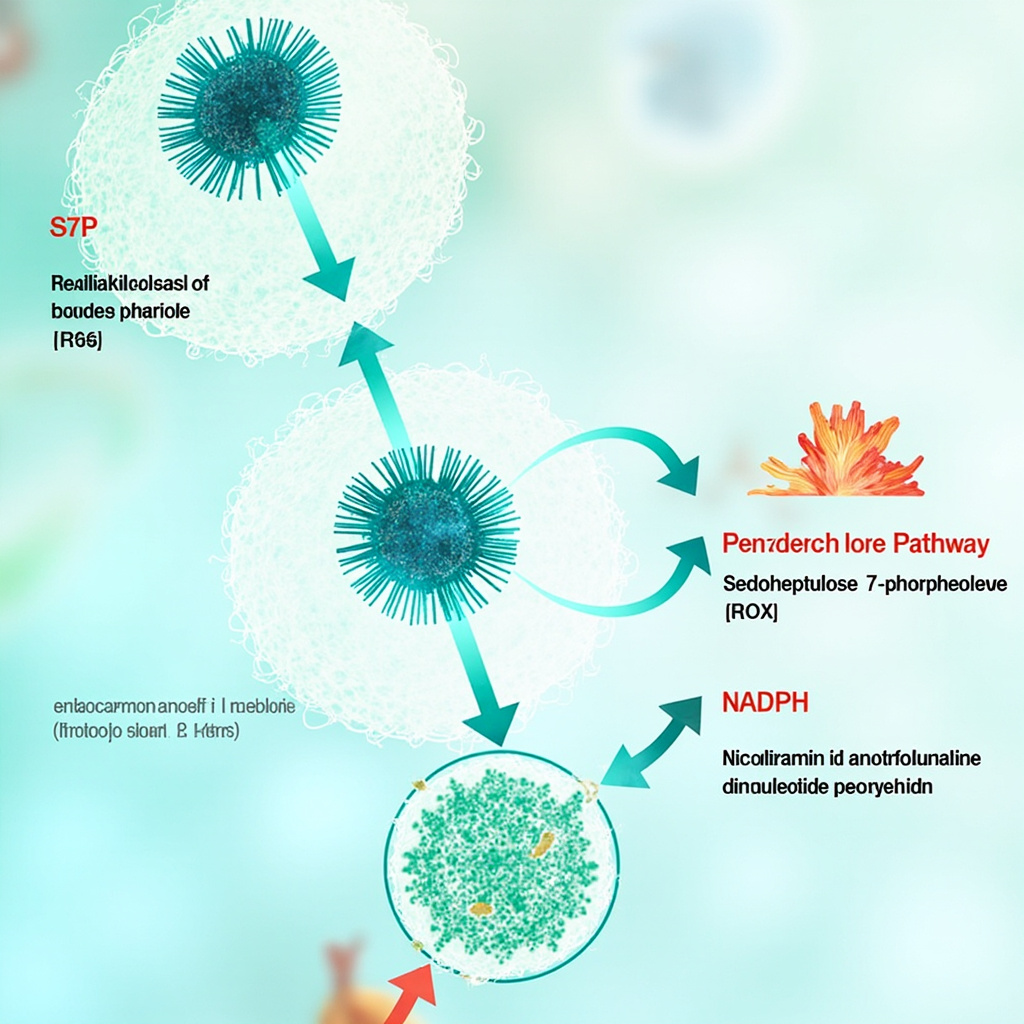
Inflammation often spirals into oxidative stress, where immune cells called macrophages produce excessive reactive oxygen species (ROS). This damages tissues and fuels chronic conditions like fatigue, infections, and metabolic imbalances. A new study from 2025 reveals how microcurrent stimulation shifts macrophage metabolism to build stronger antioxidant defenses.
Macrophages Under Siege: The Oxidative Stress Challenge
Macrophages are frontline defenders, but when triggered by pathogens or stressors like lipopolysaccharide (LPS), they ramp up ROS production. This leads to DNA damage, marked by 8-hydroxy-2'-deoxyguanosine (8-OHdG), and inflammatory cytokines such as IL-1β and IL-6. Over time, unchecked oxidative stress disrupts energy production, contributes to cell death, and promotes diseases from cardiovascular issues to neurodegeneration.
Biochemically, ROS overwhelm the cell's glutathione system, the main antioxidant buffer. Reduced glutathione (GSH) neutralizes ROS, but it needs NADPH to regenerate from its oxidized form (GSSG). Without enough NADPH, oxidative damage accumulates, impairing metabolic balance and vitality.
Microcurrent Parameters and Experimental Setup
Researchers used bone marrow-derived macrophages from mice, stimulated with LPS to mimic inflammation. They then applied microcurrent electrical stimulation (ES) for 4 hours using platinum electrodes. Key settings included:
- Current strength: 200 μA
- Frequency: 2 Hz
- Pulse duration: 250 ms
This gentle electrical input targeted inflamed cells without harming viability.
Metabolites were profiled via mass spectrometry, ROS via fluorescence imaging, DNA damage via ELISA, and cytokines via RT-PCR. To pinpoint the mechanism, they knocked down glucose-6-phosphate dehydrogenase (G6PD), the gatekeeper enzyme of the pentose phosphate pathway (PPP).
Activating the Pentose Phosphate Pathway for Protection
The PPP diverts glucose from glycolysis to generate NADPH, essential for antioxidant defense and biosynthesis. In LPS-stimulated macrophages, ES boosted key PPP intermediates:
- Sedoheptulose 7-phosphate (S7P) rose significantly.
- NADPH levels increased.
This metabolic rerouting also toned down TCA cycle metabolites like succinate and itaconate, which fuel inflammation. Meanwhile, glycolysis intermediates like glucose-6-phosphate (G6P) climbed, sustaining energy flux without excess lactate buildup.
NADPH fueled GSH regeneration, slashing ROS production by over half and cutting 8-OHdG sharply. Inflammatory cytokines IL-1β and IL-6 dropped, though TNF-α held steady.
Knockdown Experiment Confirms the Mechanism
Silencing G6PD halved its expression and erased ES benefits. ROS stayed high, 8-OHdG persisted, and cytokines remained elevated. This proves PPP activation is central to microcurrent's antioxidant power.
Even partial anti-inflammatory effects lingered in knockdown cells for some cytokines, hinting at ROS-independent paths like NF-κB modulation.
Implications for Cellular Health and Energy Balance
This research spotlights microcurrent's biochemical precision: it reprograms glucose metabolism toward protection, curbing oxidative stress at its source. For those battling fatigue, recovery challenges, or immune strain, this offers a non-drug path to balance.
In BioCoherence, the Harmonizer delivers personalized microcurrents based on your electrical activity scans. These target imbalances in energy production, much like this study's 2 Hz input. Pairing with harmonic boosts or personal guides amplifies effects on metabolic biomarkers.
Chronic inflammation links to oxidative stress across systems-digestive woes, hormonal shifts, even mood dips. By supporting NADPH and GSH, microcurrent aids detoxification, immunity, and rejuvenation.
Steps to Tune Your Biochemistry
- Scan with BioCoherence for oxidative stress markers via HRV and bioimpedance.
- Use Harmonizer sessions at low frequencies to mimic study conditions.
- Track progress with repeat scans for NADPH-related shifts in energy.
- Combine with nutrient support like B vitamins for G6PD activity.
- Practice daily for sustained metabolic harmony.
This study paves the way for frequency-based therapies in clinical settings, aligning perfectly with self-tuning practices. Your cells thrive on balance-microcurrents make it achievable.