


Heart Coherence: The Key to Regulating Emotions and Physiology Through ECG-Measured HRV
Understanding Heart Coherence
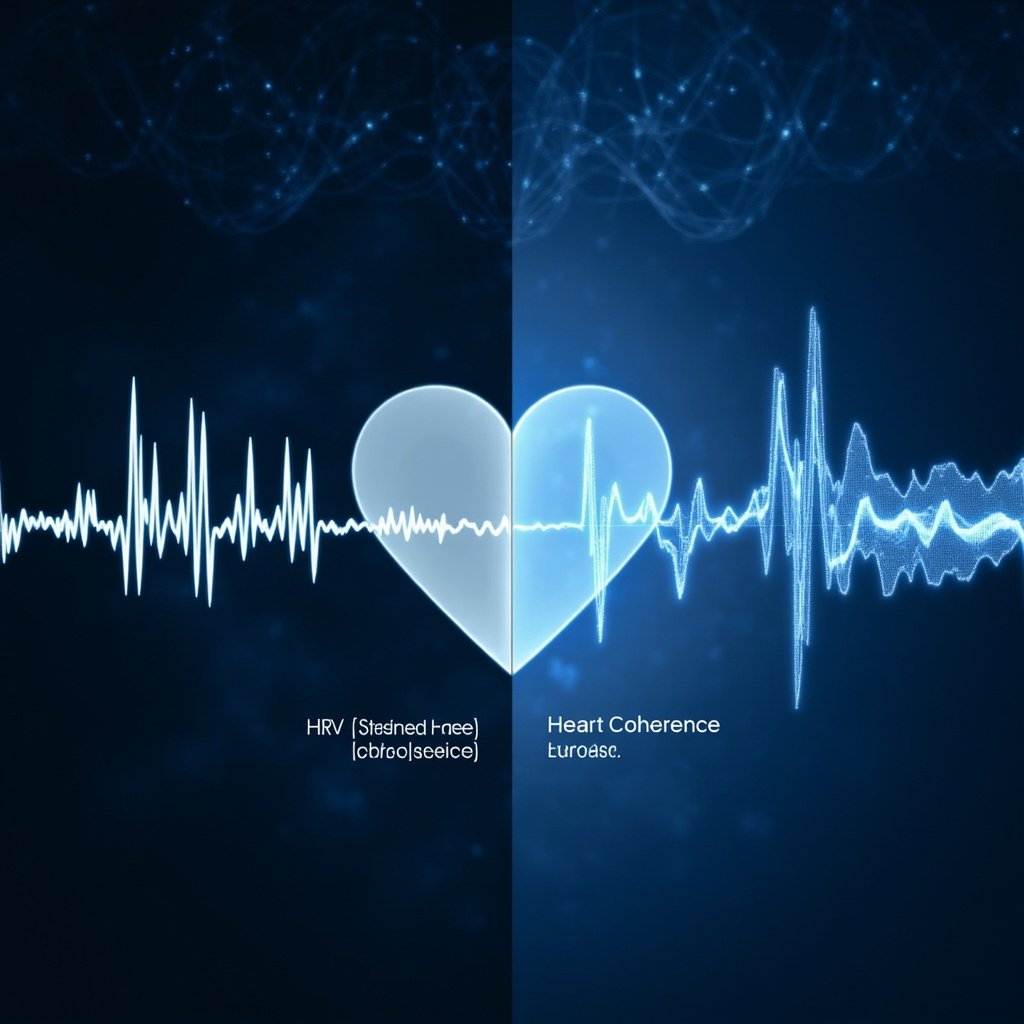
Heart coherence represents a state where your heart, brain, and emotions align in harmony. This physiological mode shows up clearly in electrocardiogram (ECG) readings as smooth, high-amplitude sine wave patterns in heart rate variability (HRV). HRV tracks the tiny fluctuations between heartbeats, a direct measure of your heart's electrical activity. Higher, more ordered HRV signals strong autonomic nervous system balance, resilience to stress, and overall vitality.
Recent research published in Global Advances in Integrative Medicine and Health examines the HeartMath approach. This method uses HRV biofeedback alongside simple self-regulation techniques to shift people from stress-induced chaos to coherence. The study reviews decades of data, showing how coherence at around 0.1 Hz frequency synchronizes breathing, blood pressure, and brain activity. Unlike basic relaxation, coherence builds flexibility, letting your body handle daily demands with ease.
Why HRV and Coherence Matter
Low HRV often appears in ECG tracings of those with chronic stress, anxiety, PTSD, depression, or even heart disease. It predicts higher risks for inflammation, poor sleep, and cognitive fog. Coherence reverses this. By generating positive emotions like gratitude during slow breathing, you boost vagal nerve activity. This sends calming signals from heart to brain via electrical, hormonal, and mechanical pathways.
Benefits backed by trials include:
- Reduced anxiety, depression, and PTSD symptoms after 4-6 weeks.
- Better sleep, energy, and mood in cancer survivors and physicians.
- Improved cognitive function, like memory and focus, with hippocampal growth in some studies.
- Lower inflammation and allostatic load, protecting against long-term wear.
A Stanford study found five minutes of coherence breathing outperformed mindfulness meditation for mood and arousal. Meta-analyses confirm HRV biofeedback helps chronic pain, hypertension, and asthma.
How It Works: The Science Behind the Patterns
ECG captures the heart's electrical impulses. In incoherence, rhythms jagged from anger or stress disrupt brain processing. Coherence creates ordered waves, entraining systems at the body's natural resonance. Practice rewires neural paths, making calm your default. HeartMath tools provide real-time ECG feedback, but you can start without devices.
Practical Steps to Build Coherence
- Find a quiet spot: Sit comfortably, eyes closed.
- Breathe slowly: Inhale for five seconds, exhale for five, aiming for six breaths per minute. Feel air moving through your heart area.
- Evoke positivity: Recall a moment of appreciation or care for someone. Hold the feeling, letting it expand.
- Sustain it: Stay for one to five minutes. Notice your mind quiet and body relax.
Daily practice, even brief, shifts your baseline. Over weeks, ECG patterns improve, as seen in student and patient studies.
Ties to Everyday Health
For self-development, coherence sharpens intuition and emotional control. It supports energy balance, much like personalized frequencies or guided practices that tune body signals. In conditions like chronic fatigue or emotional strain, it offers a non-drug path to recovery. As ECG data shows, small shifts in electrical patterns yield big health gains.
This research empowers you to monitor and master your inner rhythms. Track progress with wearables or apps showing HRV. Coherence is accessible, effective, and transformative for mind and body.