


Digestion and Stress: The Pyloric Connection
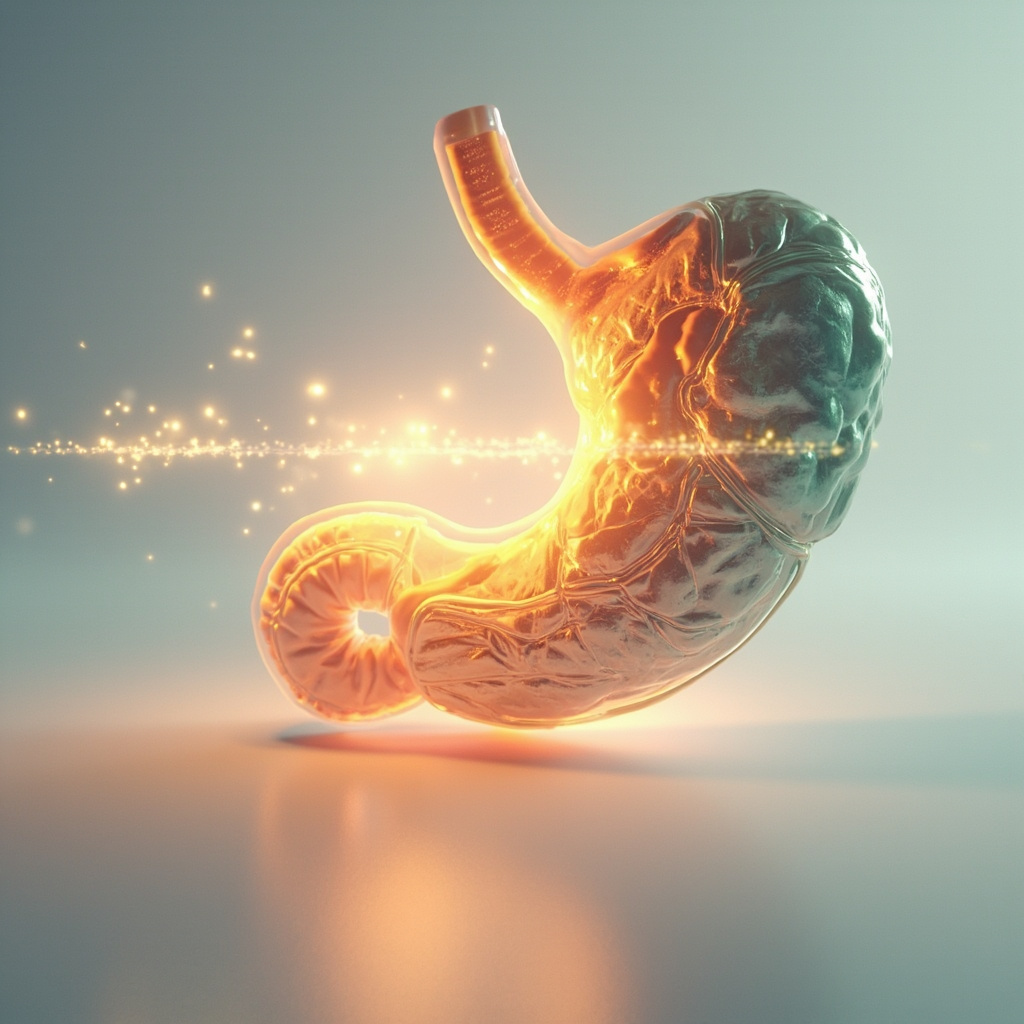
As a biochemistry specialist, I often observe that the body is a complex network where physical function and emotional states are deeply intertwined. When we look at the pyloric region, located at the junction where your stomach meets your small intestine, we find a perfect example of this connection. This area is home to the pyloric glands, which play a critical role in your daily comfort and long-term health.
The Guard at the Gate
The primary job of the pyloric glands is to secrete a protective mucus and specific enzymes. Think of this as the body's internal shield. It protects the delicate lining of your stomach from the powerful acids needed to break down food. Furthermore, these glands act as a gatekeeper, regulating exactly when and how food moves from your stomach into the small intestine. When this rhythm is smooth, your digestion is efficient, and your body can easily absorb the nutrients it needs for energy and repair.
When Life Becomes Hard to Digest
In my practice, I have noticed that the physical state of the pyloric region often mirrors how we handle the pressures of life. We frequently use the phrase "I cannot stomach this" or "it is hard to digest" when we are faced with a difficult situation or intense conflict. This is not just a metaphor. When you face prolonged stress or emotional turmoil, your body can experience an increase in tension that directly impacts the rhythm of your digestive system.
If the pyloric glands are struggling, you might feel more than just physical discomfort. You may feel a sense of being overwhelmed, as if your internal system is struggling to process the events happening in your life. By monitoring your electrical activity, we can identify when this area is out of balance, allowing us to provide the specific support your body needs to reset.
Restoring Your Inner Rhythm
When we identify the pyloric region as a priority, the goal is to restore its natural, rhythmic function. We do this by focusing on resonance. Just as a musical instrument needs to be tuned to produce a clear sound, your organs and glands respond to specific frequencies that encourage them to return to their optimal state.
By using targeted harmonic boosts, we can help soothe the tissue and encourage the glands to maintain their protective barrier. When the physical structure is supported, the emotional burden often lightens. You may find it easier to "digest" your experiences, leading to a greater sense of clarity and calm.
Supporting Your System
If you are feeling the effects of stress on your digestion, remember that this is a signal from your body asking for support. You can actively assist your system by:
- Prioritizing mindful meals: Eating in a relaxed environment helps the pyloric region function more effectively.
- Focusing on breath: Slow, deep breathing can help reduce the physiological tension that impacts your digestive gatekeeper.
- Targeted recovery: Using specialized frequencies can help guide your body back to a state of balance, especially after periods of high stress.
Your body possesses a remarkable ability to heal and regulate itself. By paying attention to the signals from your pyloric glands, you are not just improving your digestion; you are supporting your entire metabolic and emotional well-being. When we harmonize the physical, the mental often follows, allowing you to move through life with more ease and vitality.
Related posts
Glossary
- Energy and mind Structures > Structure
- Energy and mind Structures > Mental
- Body zones > glands
- Body zones > pyloric
- Body zones > digestive
- Body zones > face
- Energy and mind Structures > Organs
- Energy and mind Structures > vitality
- Energy and mind Structures > Digestion
- Energy and mind Structures > Stress
- Stimuli > Hepatitis G virus, Primary
- Stimuli > Moon - Nasal Passage, Breathing, Taste