


Escherichia coli 2: Finding Balance in Your Inner Ecosystem
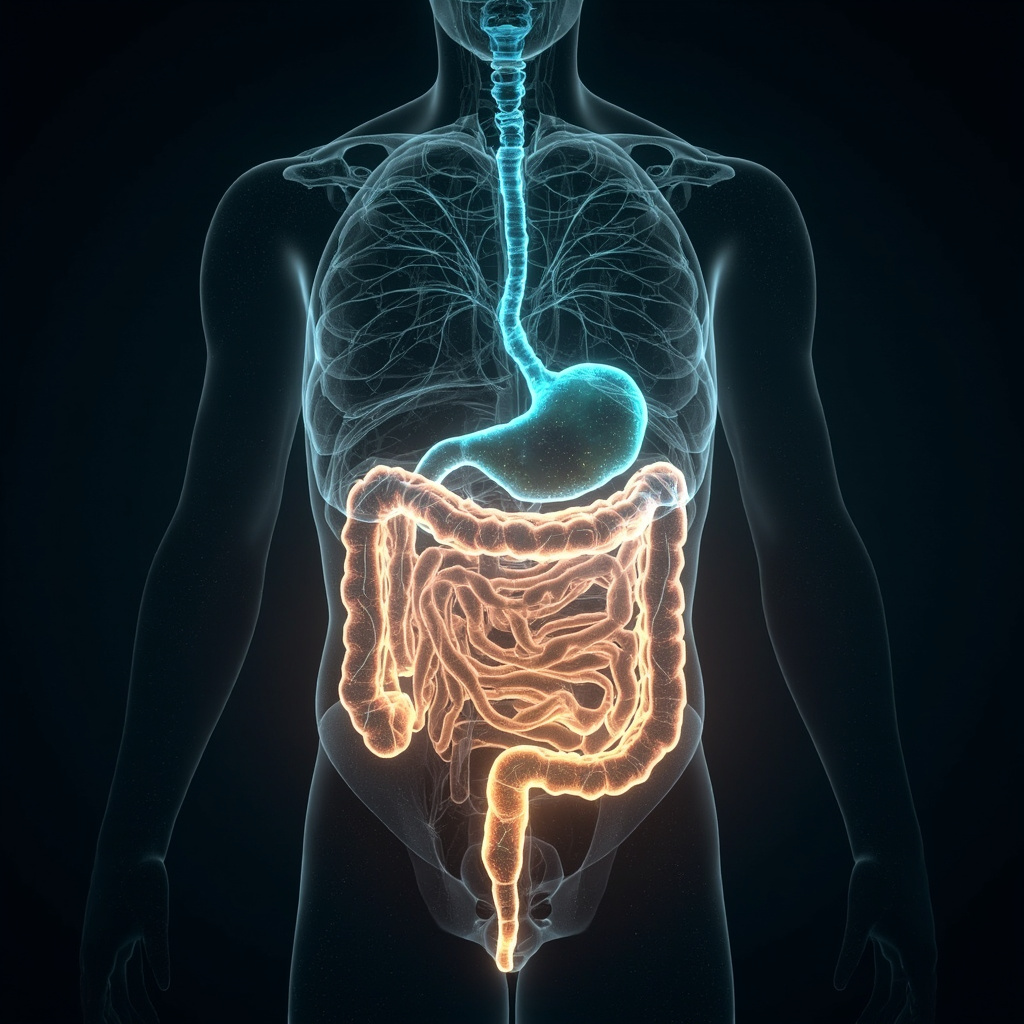
As an expert in heart rate variability and the electrical signals of the body, I often observe how our internal state is a complex, interconnected web. When we look at the body as a whole, we are not just a collection of organs and systems; we are a vibrant ecosystem. One of the fascinating elements within this ecosystem is Escherichia coli 2. While often associated in common conversation with digestive distress, from an energetic perspective, it represents a specific frequency that, when out of balance, can influence both our physical comfort and our emotional peace.
Understanding the Connection
When we analyze the body's electrical activity, we look for harmony. Escherichia coli 2 is one of the many structures we monitor. When this structure is in a state of agitation, it can manifest as physical feelings of vulnerability or discomfort in the abdominal area. Because the gut is often referred to as our second brain, any disruption here creates a ripple effect. You might feel this as unexplained anxiety, a sense of unease, or a general feeling that something is just not quite right within your body.
This is where the power of frequency-based support becomes truly interesting. By identifying the specific electrical signature of this structure, we can provide the body with the information it needs to return to a state of equilibrium.
Moving from Distress to Resource
It is important to understand that not all signals are negative. In fact, every part of our inner world has the potential to act as a resource. When we direct our attention to Escherichia coli 2 through targeted frequencies, we are not trying to fight an enemy; we are inviting our internal environment to reorganize itself.
When this structure is balanced, it shifts from being a source of stress to a pillar of stability. This transition can lead to:
- Improved digestive comfort: Helping the body maintain its natural rhythm and function.
- Emotional resilience: Reducing the sense of vulnerability that often accompanies physical discomfort.
- Holistic harmony: Allowing the nervous system to settle, which in turn improves your heart rate variability and overall stress response.
Your Internal Journey
How do you know if this is a priority for you? Often, the body communicates through subtle cues. If you find yourself experiencing frequent abdominal tension, or if you feel a persistent, low-level anxiety that seems tied to your digestive health, it may be time to tune into this specific frequency.
By engaging with the harmonic boost or incorporating this focus into your personal guide, you can begin to shift your inner narrative. Instead of feeling at the mercy of your symptoms, you become an active participant in your own healing. You are teaching your body to prioritize calm over chaos, and stability over reactivity.
Remember, your heart and your gut are in constant communication. When you soothe the digestive system, you are essentially telling your heart that it is safe to relax. This is the essence of true self-development-learning to listen to the whispers of your body before they become shouts, and using the intelligence of your own electrical activity to guide you back to center.
Take a moment today to breathe deeply and set an intention for balance. Whether you are using guided meditations or focusing on your daily priorities, know that you have the capacity to harmonize your internal ecosystem and cultivate a deeper sense of well-being.
Related posts
Glossary
- Energy and mind Structures > Focused Coherence; Focus
- Energy and mind Structures > Structure
- Energy and mind Structures > Communication
- Energy and mind Structures > Peace
- Energy and mind Structures > Relax
- Energy and mind Structures > Escherichia coli 2
- Body zones > digestive
- Energy and mind Structures > Organs
- Energy and mind Structures > equilibrium
- Energy and mind Structures > Stress
- Binaural beats > Nervous System: A Program for Emotional Balance and Relaxation
- Stimuli > Lead
- Stimuli > Harmony
- Stimuli > Heart
- Stimuli > Brain