


The Sympathetic System: Balancing Your Inner Alertness
Understanding Your Built-in Alarm System
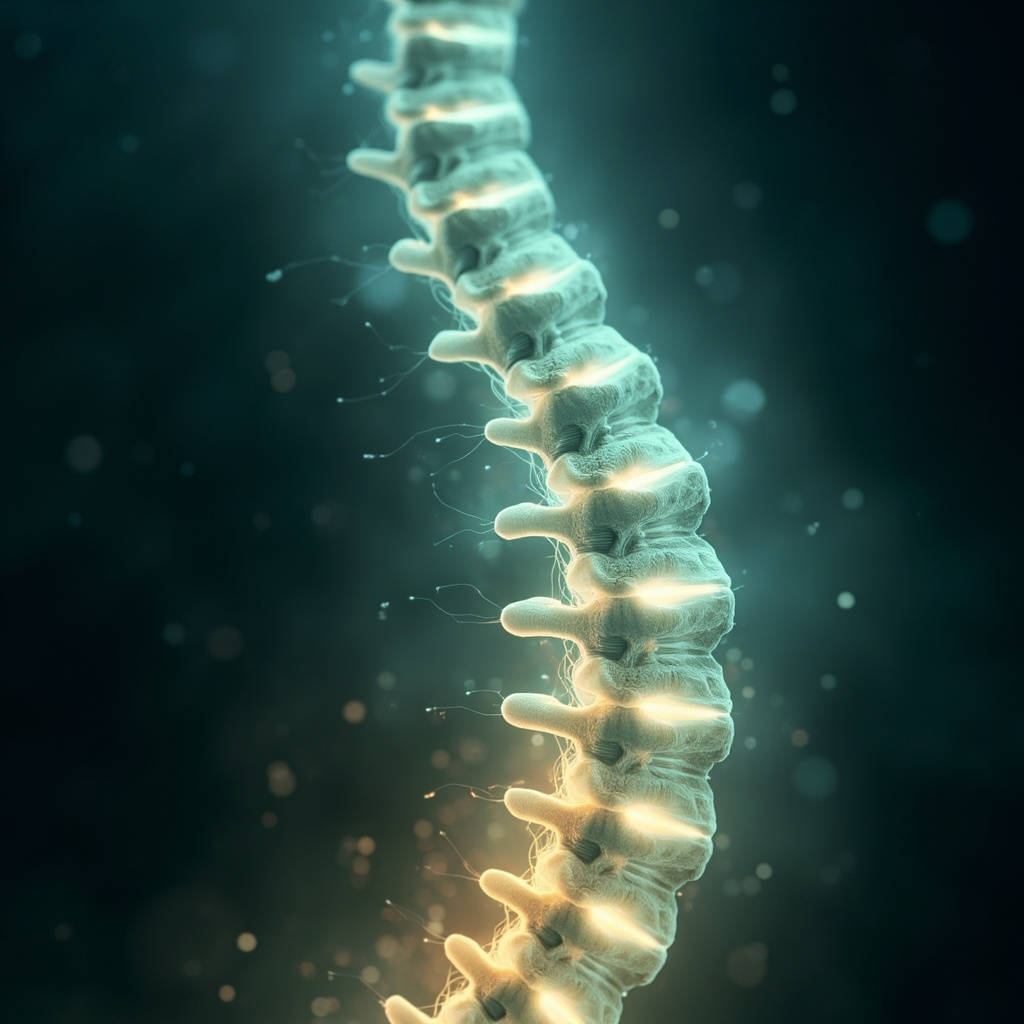
Within your body lies a sophisticated network responsible for your survival and readiness: the sympathetic nervous system. You might think of it as your internal alert system. Located primarily along your spine, this system is designed to help you navigate life's challenges by preparing your body for action. When you face a stressful situation, it is this network that signals your body to increase your heart rate, open your airways for deeper breathing, and release energy stores to help you respond effectively.
However, in our modern world, this system often stays in the 'on' position for too long. When we are constantly exposed to pressure, our body may struggle to shift out of this state of high alert. This is where we often feel the physical and emotional toll of chronic stress, such as a racing heart, persistent tension, or a sense of being constantly on edge.
The Connection Between Stress and Your Heart
As an expert in heart rhythm and Heart Rate Variability (HRV), I often observe how this system influences the rhythm of the heart. Your heart does not beat like a metronome; it is constantly adjusting its timing based on signals from your nervous system. When the sympathetic system is balanced, it works in harmony with the rest of your body to maintain stability. When it is overactive, it can mask your body's ability to recover and rest.
Recognizing this state is not about suppressing your body's natural functions; it is about learning to communicate with them. By observing the electrical activity of your body, we can gain insights into when this system is working to protect you and when it might be working overtime due to past experiences or current life demands.
Transforming Alertness into a Resource
It is important to remember that the sympathetic nervous system is not your enemy. In fact, when it is well-regulated, it is a powerful ally. It provides the necessary vitality to meet physical challenges, supports healthy blood flow, and ensures your organs have the oxygen they need to function optimally. It is a vital component of your resilience.
When we identify that this system is a priority, we can use specific tools to guide it back into a state of balance. This might involve using targeted frequencies to help the body recognize that it is safe to shift gears. By directing your attention to this structure, you can learn to harness its energy for productive tasks rather than letting it manifest as anxiety or exhaustion.
Practical Steps Toward Balance
Improving your relationship with this system is a journey of self-tuning. Here are a few ways to support this process:
- Mindful Awareness: Notice when you feel a sudden surge of energy or tension. Instead of fighting it, acknowledge that your system is trying to help you, and then consciously invite a moment of slower, deeper breathing to signal safety to your brain.
- Recovery Rhythms: Prioritize activities that encourage the opposite state, such as slow-paced movement, time in nature, or focused meditation. These practices act as a reset button for your nervous system.
- Data-Supported Insights: By analyzing your personal biomarkers, you can see exactly when your body is stuck in a high-alert state and choose the specific frequency support that helps you return to your natural, calm rhythm.
By understanding the language of your nerves, you are not just managing symptoms; you are building a foundation for long-term health. Whether you need to mobilize energy for a goal or find quiet after a long day, your sympathetic system can be a reliable partner once you learn how to guide it.
Related posts
Glossary
- Energy and mind Structures > oxygen
- Energy and mind Structures > Structure
- Energy and mind Structures > Exhaustion
- Body zones > nerves
- Body zones > sympathetic
- Body zones > face
- Energy and mind Structures > Organs
- Energy and mind Structures > vitality
- Energy and mind Structures > movement
- Energy and mind Structures > Theta; 4.31-6.97 Hz. Light sleep, meditation.
- Energy and mind Structures > Stress
- Stimuli > Moon - Nasal Passage, Breathing, Taste
- Binaural beats > Nervous System: A Program for Emotional Balance and Relaxation
- Stimuli > Harmony
- Stimuli > Blood
- Stimuli > Heart
- Stimuli > Brain