


Mastering Your Body's Internal Control Center
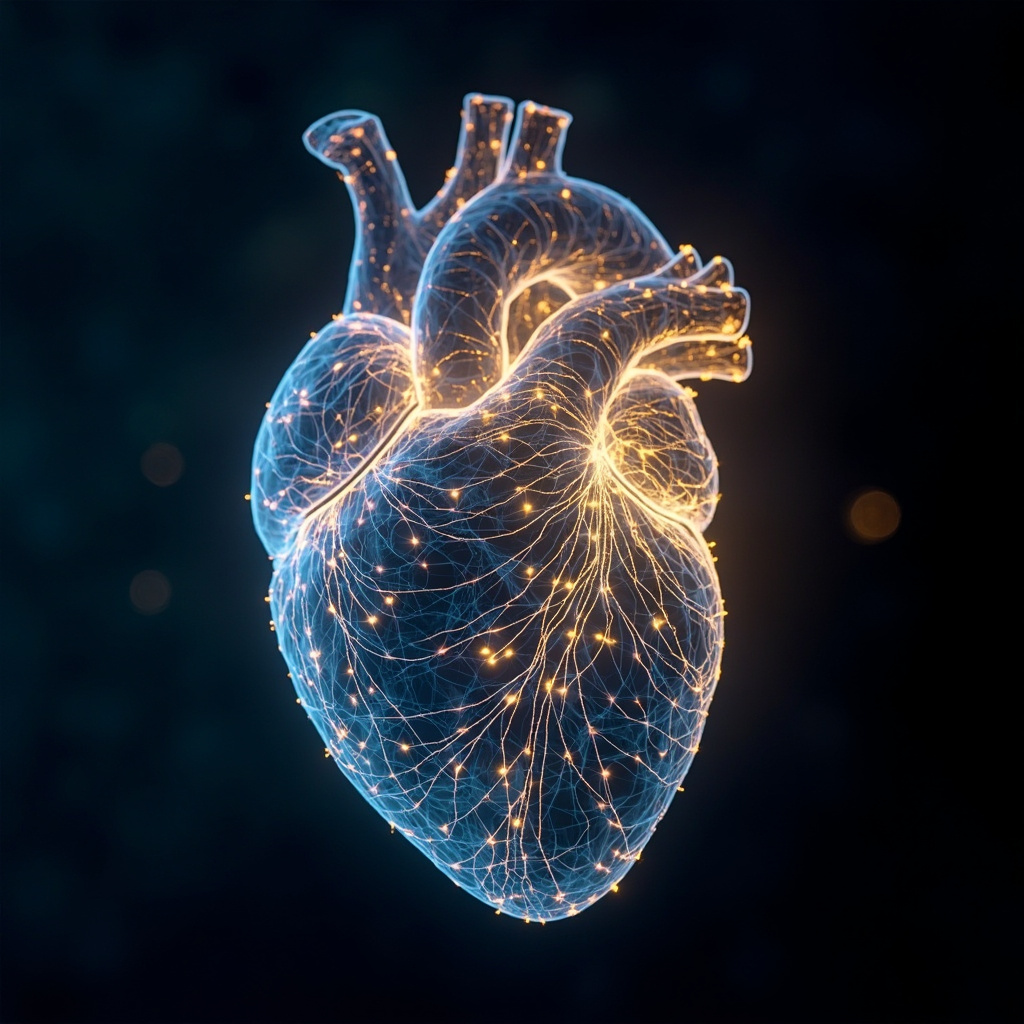
The Invisible Conductor of Your Health
Every moment of your life, a silent, tireless conductor is working behind the scenes to keep you alive and functioning. This system, known as the autonomic nervous system, operates entirely outside of your conscious awareness. It is the reason your heart continues to beat while you sleep, your lungs draw breath without you thinking about it, and your digestion processes food after a meal.
Think of this system as your body's master control center. It constantly monitors your internal environment to ensure that everything remains in a state of balance. Whether you are running to catch a train or relaxing on your sofa, your nervous system is adjusting your heart rate, blood pressure, and energy levels to match the demands of the moment.
Two Sides of the Same Coin
To manage these complex tasks, the system is divided into two primary modes. The first is often called the fight or flight mode, which prepares your body to handle stress, danger, or intense physical effort. It speeds up your heart and readies your muscles for action.
The second mode is the rest and digest system. This is the state of calm, where your body focuses on repair, restoration, and digestion. In our modern, fast-paced world, many people find themselves stuck in a cycle of constant stress, keeping the fight or flight mode active for too long. When this happens, the body struggles to shift back into the rest and digest state, which can lead to fatigue, anxiety, and a feeling of being constantly on edge.
The Emotional Connection
Beyond just physical functions, this system is deeply intertwined with your emotional landscape. Have you ever felt a knot in your stomach when you were nervous or experienced a racing heart during a moment of insecurity? That is your nervous system reacting to your emotions.
When we experience chronic stress, unresolved anxiety, or an intense need for control, it creates a feedback loop. These emotional states can disrupt the smooth operation of your nerves, leading to physical symptoms. Conversely, when your nerves are balanced, you often find it much easier to process difficult emotions, maintain clarity, and feel a sense of inner safety.
Finding Your Balance
Strengthening your nervous system is one of the most effective ways to improve your overall quality of life. By focusing on heart rate variability, which is a measure of the variation in time between each heartbeat, we can gain a clear window into how well your nerves are functioning. High variability is generally a sign that your body is resilient and capable of adapting to stress with ease.
There are several ways to support this internal balance. Practices like rhythmic, deep breathing or targeted meditation sessions can act as a signal to your body that it is safe to shift from a stressful state into a restorative one. By gently guiding your attention toward this system, you can learn to influence your heart rate and calm your nerves, essentially tuning your body like a musical instrument.
When we treat the nervous system as a primary resource rather than just a passive background process, we unlock a greater capacity for health. Whether through dedicated recovery time, mindful movement, or simply acknowledging the need for rest, you can encourage your body to return to its natural, healthy rhythm. When you prioritize this balance, you are not just managing symptoms; you are supporting the foundation of your entire physiology.
Related posts
Glossary
- Body zones > lungs
- Body zones > muscles
- Body zones > nerves
- Body zones > autonomic
- Energy and mind Structures > sleep
- Energy and mind Structures > blood pressure
- Energy and mind Structures > movement
- Energy and mind Structures > Digestion
- Energy and mind Structures > Theta; 4.31-6.97 Hz. Light sleep, meditation.
- Energy and mind Structures > Stress
- Stimuli > Hepatitis G virus, Primary
- Stimuli > Moon - Nasal Passage, Breathing, Taste
- Binaural beats > Foundation of Security: Enhance Serenity and Well-Being
- Binaural beats > Nervous System: A Program for Emotional Balance and Relaxation
- Stimuli > Lead
- Stimuli > Blood
- Stimuli > Heart