


Cortisol: Finding Your Natural Rhythm
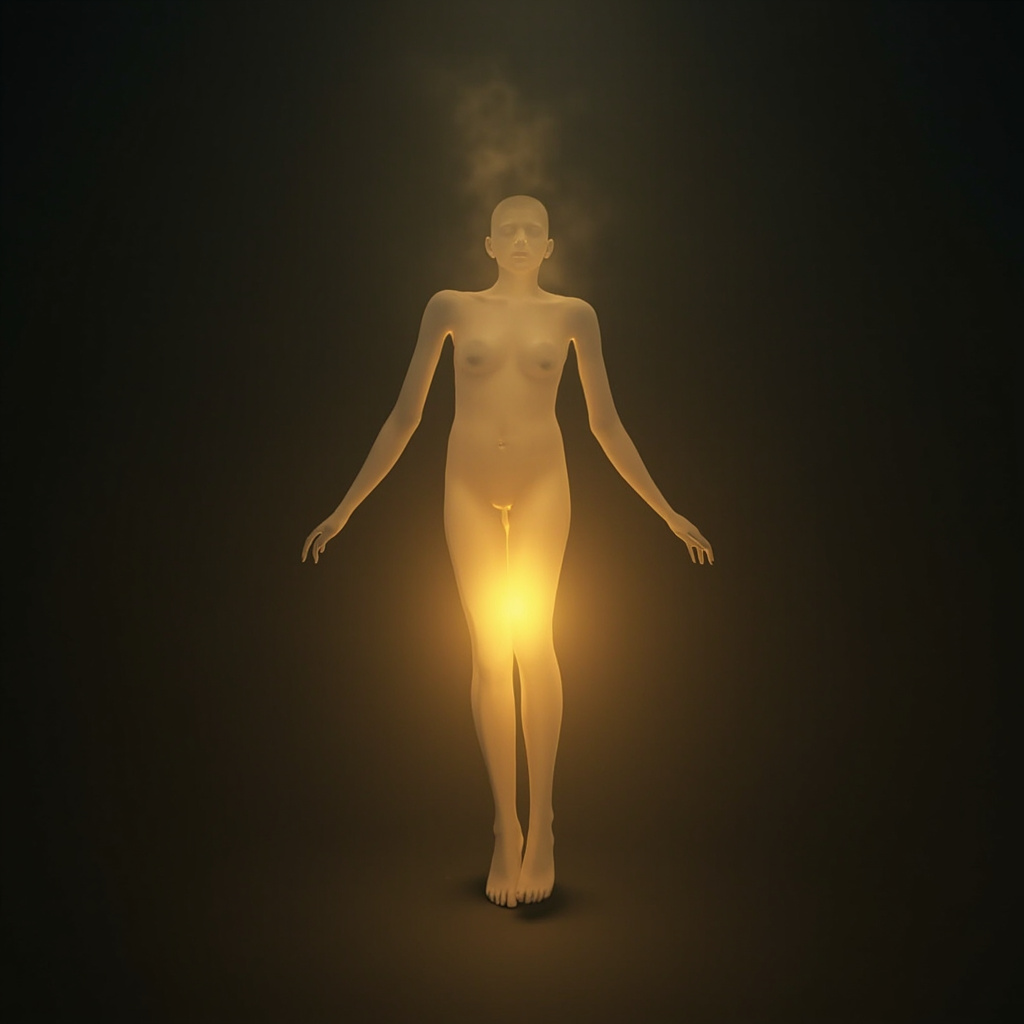
As an expert focused on the heart and the nervous system, I often see how the body reacts to the pressures of daily life. One of the most significant players in this process is cortisol, a hormone produced by the adrenal glands. While often labeled simply as a stress hormone, it is actually a vital conductor of your internal orchestra. Understanding how it works is key to improving your heart rate variability, your stress resilience, and your overall sense of well-being.
The Role of Cortisol in Your Body
Think of cortisol as your internal alarm system. When you face a challenge, your body releases this hormone to help you respond effectively. It plays a crucial role in regulating your metabolism, keeping your blood sugar steady, and managing your immune response. Under normal circumstances, your cortisol levels follow a natural rhythm, peaking in the morning to help you wake up and gradually declining as the day progresses, allowing your body to rest and recover.
However, in our modern world, this rhythm is frequently disrupted. Chronic pressure or persistent feelings of being overwhelmed can keep this system in a state of high alert. When this happens, it is not just your mind that feels the strain; your cardiovascular system is also affected. High or irregular cortisol levels can impact your heart rhythm and circulation, making it harder for your body to return to a state of calm.
The Emotional Connection
Biological observation suggests that imbalances in your cortisol levels are closely linked to your emotional state. When you feel constantly pressured or unable to cope with ongoing challenges, your body may struggle to maintain its natural balance. This can manifest as feelings of chronic stress, fear, or a sense of being perpetually "on edge."
I often analyze biomarkers that reflect this tension. When I see signs of low heart health resilience, it often points to an underlying struggle with these persistent emotional states. Addressing these patterns is not about suppressing your emotions, but about helping your body find its way back to a state of equilibrium.
Turning Cortisol Into a Resource
When we support our hormonal systems, we can shift from a state of depletion to one of vitality. Cortisol is not the enemy; it is a tool for survival that, when balanced, provides the energy and stability you need to navigate life's challenges.
By focusing on your cardiovascular health and using specific techniques to calm the nervous system, you can guide your body toward a more harmonious state. This might involve deep, rhythmic breathing to improve your heart rhythm, or engaging in activities that signal safety to your brain, such as targeted meditation or frequency-based recovery sessions.
When cortisol is functioning as a resource, it facilitates better recovery and helps maintain your internal stability. The goal is to move away from the constant "fight or flight" response and toward a state of rest and repair.
Simple Steps for Balance
To support your hormonal and cardiac health, consider these approaches:
- Prioritize Restorative Sleep: Establishing a consistent sleep schedule helps reset your body's natural clock.
- Mindful Movement: Gentle cardiovascular exercise can help regulate your stress response without overtaxing your system.
- Emotional Awareness: Taking time to identify when you feel overwhelmed allows you to consciously slow down your breathing and lower your heart rate.
- Frequency Support: Using targeted audio frequencies can help your body resonance shift from a state of agitation to one of calm, supporting the adrenal glands in finding their proper rhythm.
By paying attention to the signals your body provides, you can become a more active participant in your own health. Remember that every small adjustment in your daily routine contributes to a more resilient heart and a more balanced life. For more information on how this hormone functions, you can explore this resource.
Related posts
Glossary
- Energy and mind Structures > Clock
- Body zones > glands
- Body zones > hormonal
- Body zones > cortisol
- Body zones > face
- Energy and mind Structures > sleep
- Energy and mind Structures > vitality
- Energy and mind Structures > equilibrium
- Energy and mind Structures > movement
- Energy and mind Structures > Theta; 4.31-6.97 Hz. Light sleep, meditation.
- Energy and mind Structures > Stress
- Stimuli > Cortisol
- Stimuli > Moon - Nasal Passage, Breathing, Taste
- Binaural beats > Nervous System: A Program for Emotional Balance and Relaxation
- Stimuli > Blood
- Stimuli > Heart
- Stimuli > Brain
- Stimuli > GAPDH, Metabolism
- Stimuli > TNF, Immune Response