


The Pituitary: Your Inner Command Center
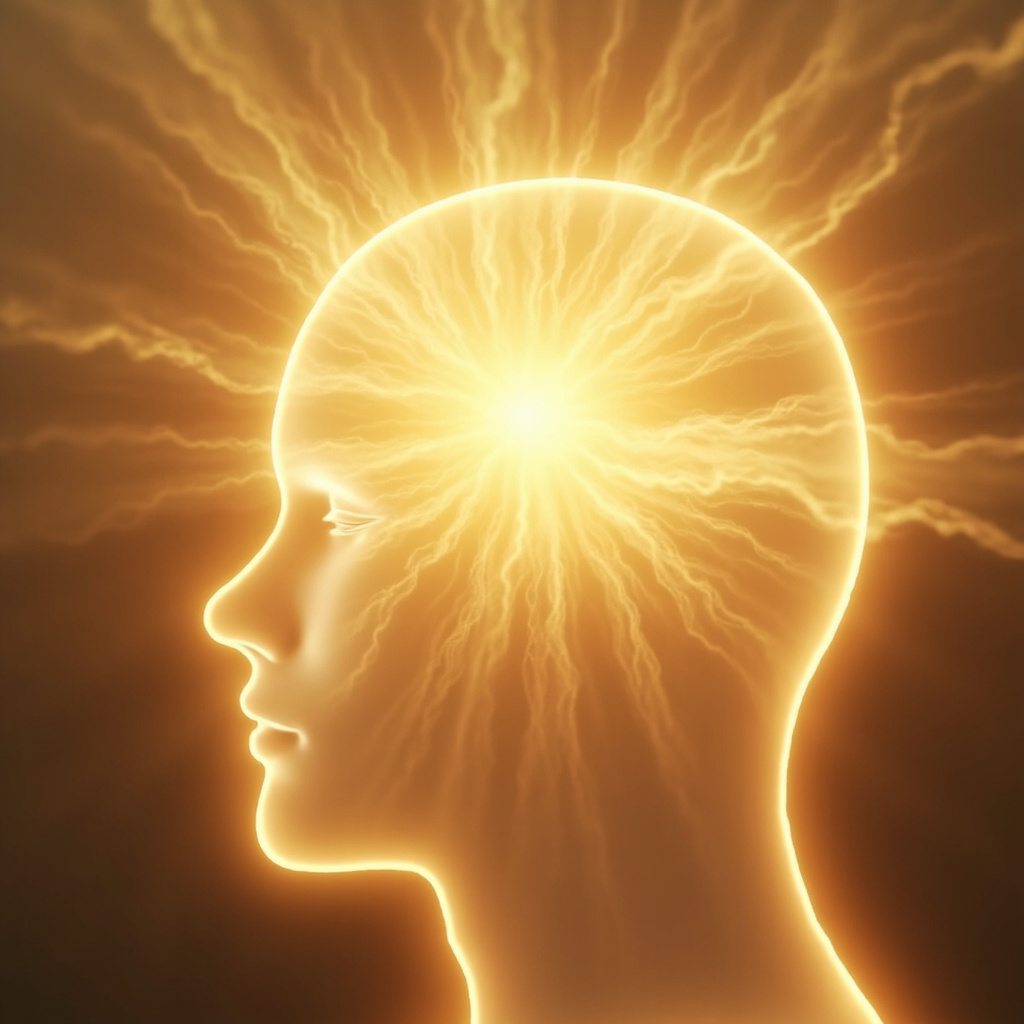
Deep within the base of your brain, protected and tucked away, lies a structure no larger than a pea. Despite its small size, the pituitary gland acts as the supreme conductor of your internal orchestra. It is often called the master gland because it sends out chemical signals-hormones-that tell other glands in your body what to do. From managing how you grow and how you turn food into energy, to overseeing your reproductive health, the pituitary is constantly working to keep your systems in harmony.
The Link Between Hormones and How You Feel
Beyond its physical duties, the pituitary gland has a profound connection to your emotional landscape. Because it sits at the intersection of your brain and your body, it is uniquely positioned to translate your mental state into physical reality. Have you ever felt the weight of responsibility or the pressure to meet high expectations? These feelings are often reflected in the activity of this gland.
When the pituitary is balanced, you may experience a sense of control, authority, and inner stability. However, when you feel overwhelmed by your environment or believe that you lack influence over your own life, this gland can become strained. It essentially mirrors our internal struggles with duty and the need to feel capable. By supporting this tiny but mighty center, you are not just helping your physical health; you are cultivating a deeper sense of self-assurance.
Recognizing the Signs of Imbalance
Because the pituitary coordinates so many vital functions, when it is out of sync, the signals it sends can become scrambled. This might manifest as:
- Unexplained Fatigue: A feeling that your "engine" is running low on fuel, regardless of sleep.
- Metabolic Shifts: Challenges in maintaining a steady weight or energy level throughout the day.
- Emotional Sensitivity: Feeling as though you are carrying the weight of the world, or struggling to find your footing in stressful situations.
- Hormonal Fluctuations: A sense that your internal rhythm is "off," impacting your mood and clarity.
Tuning Into Your Master Gland
In our practice, we look at the electrical activity of the heart to understand how your body is managing its resources. Through specialized analysis, we can identify when the pituitary requires extra support. When this structure appears as a priority, we use specific resonance frequencies to help guide it back to its optimal state.
Think of this as a recalibration. By using targeted audio frequencies, we can help the pituitary return to a state of calm efficiency. This is not about forcing a change, but about providing the body with the right "information" to heal itself.
Practical Steps for Daily Harmony
If you are feeling the pressure of responsibilities, consider these steps to support your inner command center:
- Acknowledge Your Limits: The pituitary thrives when we are in alignment with our true capacity. Practice saying no to tasks that drain your essential energy.
- Mindful Stillness: Engaging in guided meditation helps quiet the "noise" that can interfere with the pituitary's delicate signaling. When you find stillness, you allow your body to reset its regulatory rhythms.
- Focus on Rhythm: Since the pituitary is a master of timing, keeping a consistent daily routine-eating and sleeping at similar times-can help provide the stability it needs to function well.
By tending to the pituitary, you are honoring the structure that holds your body's functions together. Whether you are using frequency-based tools to harmonize your state or simply practicing better self-awareness, you are taking a vital step toward reclaiming your sense of control and vitality. Remember, your body is always listening; by directing your attention toward this master gland, you provide it with the focus it needs to keep you balanced, capable, and resilient.
Related posts
Glossary
- Energy and mind Structures > Focused Coherence; Focus
- Energy and mind Structures > Structure
- Energy and mind Structures > Mental
- Body zones > glands
- Body zones > pituitary
- Body zones > hormones
- Energy and mind Structures > sleep
- Energy and mind Structures > vitality
- Energy and mind Structures > Theta; 4.31-6.97 Hz. Light sleep, meditation.
- Stimuli > Reproductive
- Stimuli > Harmony
- Stimuli > Heart
- Stimuli > Brain