


Understanding Female Glands and Hormonal Harmony
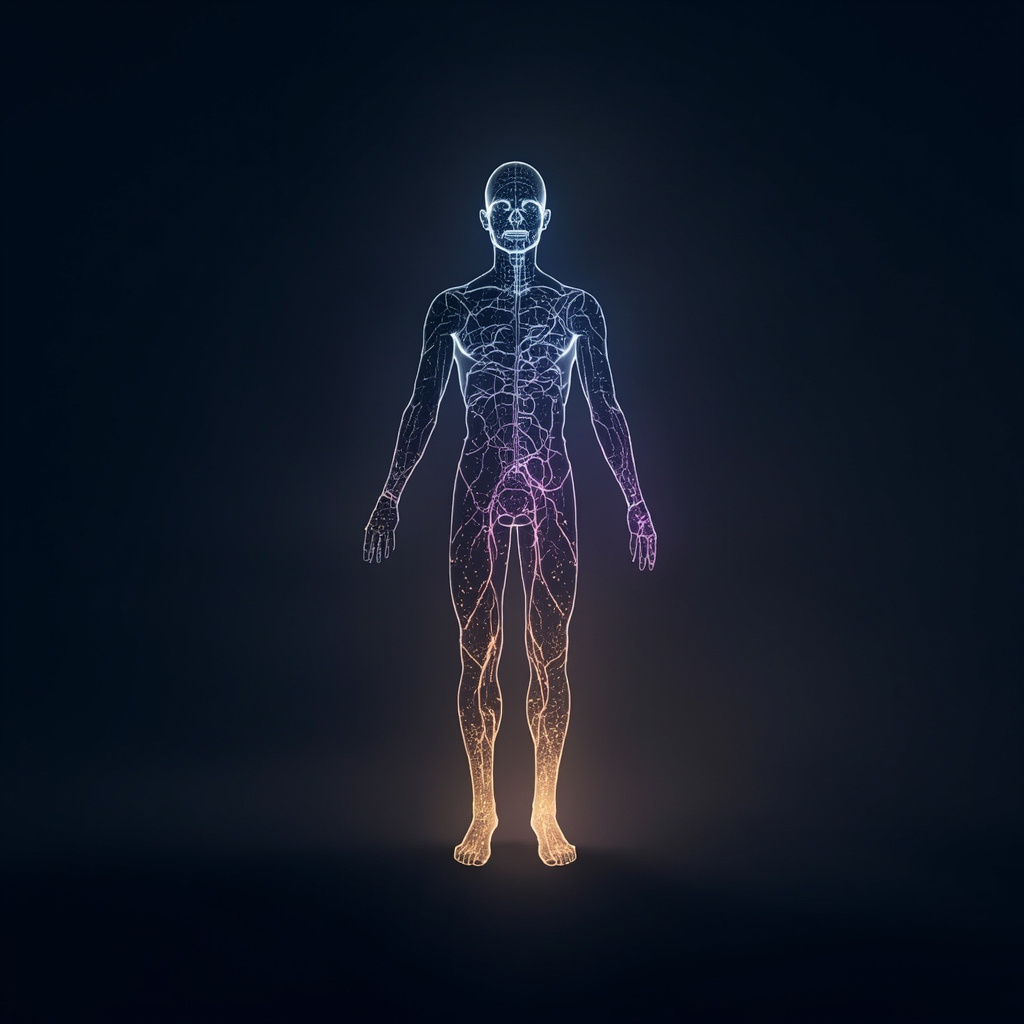
The Rhythm of Hormonal Balance
In my work analyzing heart rate variability and the electrical signals of the body, I often observe how deeply connected our physical rhythm is to our internal glandular system. While many people think of hormones simply as chemical messengers, they are actually the conductors of a vast, complex orchestra. In the female body, specific glands located in the pelvic region act as key players in maintaining not just reproductive health, but our overall sense of balance, energy, and emotional stability.
When these glands function in harmony, they help regulate menstrual cycles, support fertility, and maintain the steady flow of hormones like estrogen and progesterone. However, because these systems are sensitive, they often reflect our internal state, reacting to stress, lifestyle changes, and even our emotional environment.
The Connection Between Emotions and Biology
One of the most fascinating aspects of monitoring electrical biomarkers is seeing how emotional patterns manifest physically. In many traditions and modern holistic studies, the female glandular system is deeply linked to themes of nurturing, protection, and femininity. It is not uncommon to see physical signals of glandular strain coincide with periods of high stress, unresolved grief, or feelings of inadequacy in one's personal roles.
When we experience prolonged stress, the body often prioritizes immediate survival over long-term regulatory functions. This can lead to a shift in how these glands operate. By paying attention to these signals, we can begin to see that a physical symptom is often a message from the body asking for a shift in focus-perhaps toward more self-care, better boundaries, or emotional healing.
Listening to Your Body's Signals
Understanding your own biomarkers allows you to move from a state of reacting to symptoms to a state of proactive self-tuning. When we identify that the glandular system is a priority, we can use specific tools to guide the body back to its natural resonance.
This process is not about forcing a change, but about providing the right conditions for the body to self-regulate. By engaging with specific glandular structures, we can:
- Support Hormonal Equilibrium: Use targeted frequencies to encourage the glands to return to their optimal rhythm.
- Enhance Emotional Resilience: Address the underlying emotional conflicts that may be contributing to physical tension.
- Promote Deep Recovery: Allow the nervous system to shift from a state of stress to a state of rest, which is essential for glandular health.
Moving Toward Vitality
Whether you are dealing with physical discomfort or simply feel that your emotional and physical rhythms are out of sync, the first step is awareness. Modern technology now allows us to look past the surface and understand the electrical language of our organs. By treating these glands as a vital resource rather than just a biological function, we open the door to a more integrated way of living.
If you find that your energy levels are fluctuating or that you are struggling with persistent stress, consider exploring how your internal biomarkers are currently balancing. You might be surprised to find that the support you need is already within your reach, waiting to be tuned back into harmony.
Related posts
Glossary
- Energy and mind Structures > Grief
- Body zones > glands
- Body zones > glands
- Body zones > hormonal
- Body zones > hormones
- Energy and mind Structures > Organs
- Energy and mind Structures > Stress
- Binaural beats > Nervous System: A Program for Emotional Balance and Relaxation
- Stimuli > Reproductive
- Stimuli > Lead
- Stimuli > Harmony
- Stimuli > Heart