


The Cerebellum: Your Inner Anchor for Stability
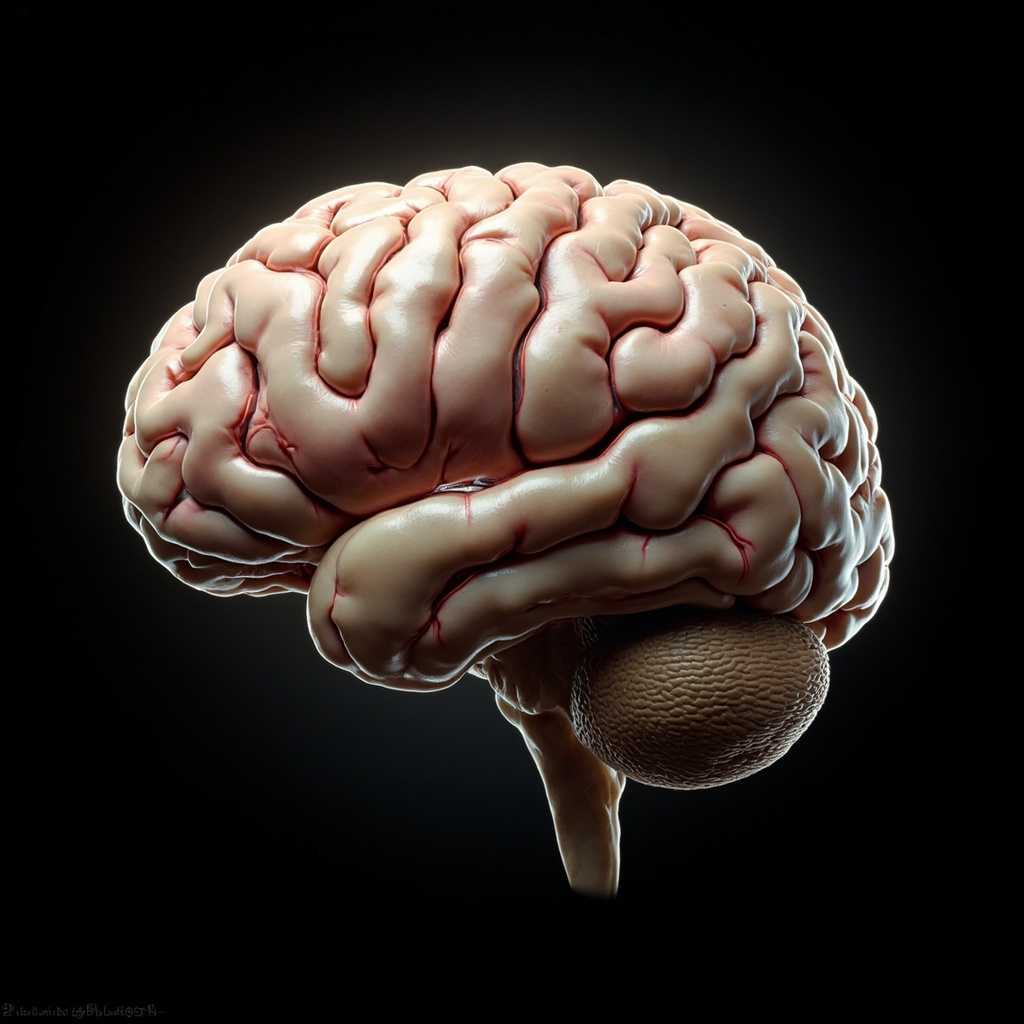
As a holistic dentist, I often look beyond the teeth and gums to understand the root causes of systemic health issues. My practice focuses on the connection between your oral environment and the rest of your body, including how stress and inflammation manifest in our physical structures. Today, I want to explore a fascinating area of the brain that acts as a silent conductor for your entire life: the cerebellum.
The Coordinator of Your Being
Located at the base of your brain, the cerebellum is often described as the center for motor control. While it is true that it helps you walk, run, and perform fine motor tasks, its role extends far beyond simple movement. Think of it as your internal stabilizer. Just as a building requires a solid foundation to remain upright, your body relies on this structure to maintain balance, posture, and coordination in a chaotic world.
In my work, I frequently see how emotional stress translates into physical tension. When we feel overwhelmed or unsupported, the stress often travels down the nervous system, potentially affecting the way our body coordinates its own internal rhythm. If your cerebellum is under stress, you might feel a sense of instability, not just in your walk, but in your ability to manage daily responsibilities or maintain emotional composure.
The Hidden Oral-Brain Connection
Many of my patients who come to me with jaw tension or teeth grinding are surprised to learn that these issues are rarely just about the teeth. When the nervous system is in a state of high alert, the body often expresses this through the jaw and the muscles of the head and neck. Because the cerebellum helps govern the coordination of these muscles, focusing on its harmony can be a surprisingly effective way to release deep-seated tension in the mouth and face.
By supporting this brain structure, we are essentially helping the body return to a state of equilibrium. When the cerebellum functions with ease, it acts as a resource that helps other organs and systems operate more efficiently. It helps distribute energy effectively, allowing you to respond to both physical and emotional stressors with greater resilience rather than reacting with rigid tension.
Finding Your Balance
When we analyze the body's electrical activity, we can identify when this area needs extra support. If the data suggests that your cerebellum is a priority, it is a signal that your body is asking for stability. You can support this process by using specific harmonic frequencies that resonate with the structure of the brain. These frequencies act like a gentle tuning fork, helping to harmonize the electrical activity of this area and encouraging it to return to its natural state of balance.
Beyond just physical movement, this is an invitation for an inner journey. By directing your attention to this area through guided focus or meditation, you can consciously choose to release the feeling of needing to control every outcome. It is about moving from a state of rigid effort to one of fluid, natural coordination.
Simple Steps for Systemic Harmony
Supporting your brain and nervous system is a vital part of a holistic lifestyle. Here are a few ways to foster this sense of inner stability:
- Mindful Movement: Engage in activities like yoga or Tai Chi that specifically challenge and refine your balance. This directly stimulates the cerebellum and encourages nervous system organization.
- Reduce Sensory Overload: Give your brain a break from constant digital stimulation. Quiet time allows this vital structure to reset and recover from the demands of modern life.
- Nutritional Foundations: Ensure your body has the minerals it needs to support nerve signaling. Magnesium and other essential minerals are the building blocks of a calm, responsive nervous system.
By honoring the role of the cerebellum in your life, you are not just working on a brain structure; you are cultivating a foundation of clarity and calm. When you feel supported from within, your body, your mouth, and your spirit can finally begin to relax into a state of true, lasting vitality.
Related posts
Glossary
- Energy and mind Structures > magnesium
- Energy and mind Structures > Focused Coherence; Focus
- Energy and mind Structures > Structure
- Energy and mind Structures > Organization
- Energy and mind Structures > Relax
- Body zones > head
- Body zones > mouth
- Body zones > muscles
- Body zones > cerebellum
- Body zones > teeth
- Body zones > face
- Energy and mind Structures > Organs
- Energy and mind Structures > vitality
- Energy and mind Structures > movement
- Energy and mind Structures > Theta; 4.31-6.97 Hz. Light sleep, meditation.
- Energy and mind Structures > Stress
- Binaural beats > Inflammation Relief: Heal Faster with Binaural Beats
- Binaural beats > Nervous System: A Program for Emotional Balance and Relaxation
- Stimuli > Harmony
- Stimuli > Brain