


Spinal Nerves: The Bridge Between Your Mind and Body
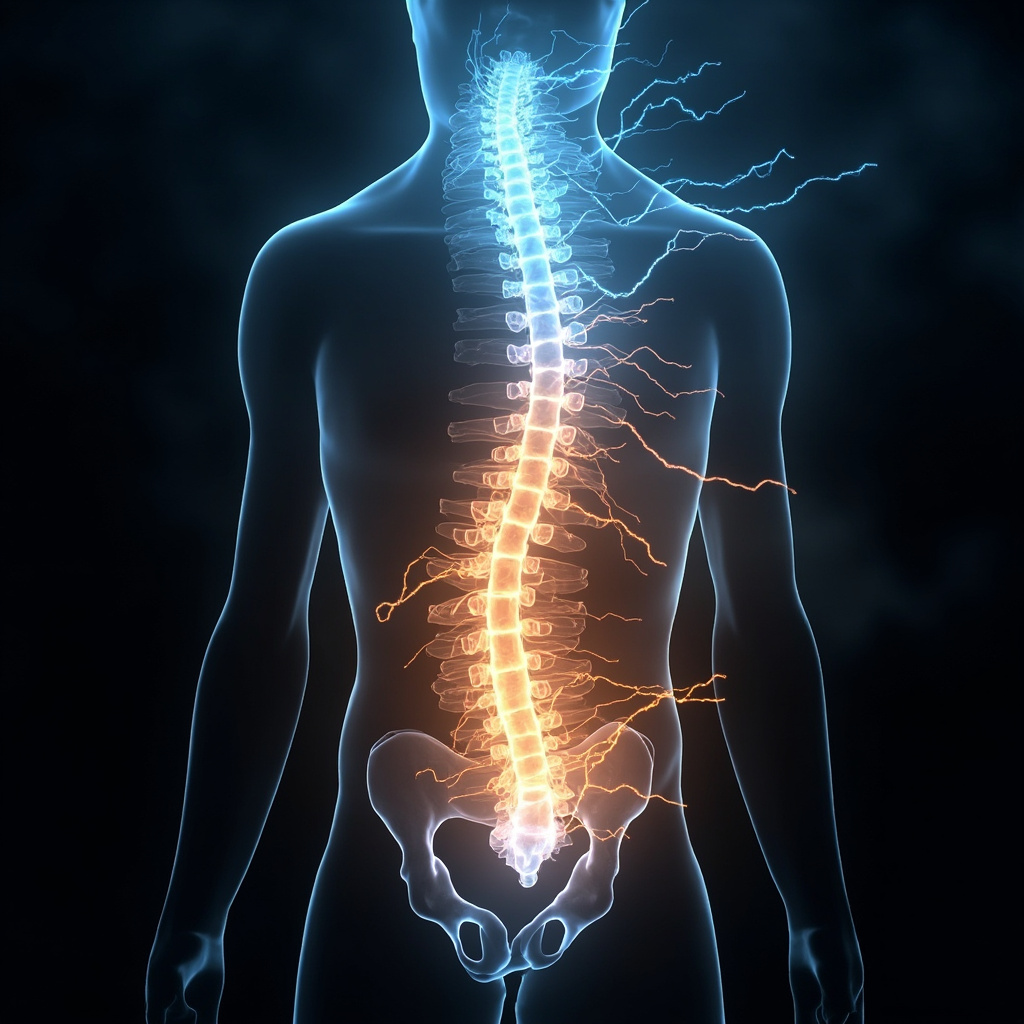
As a specialist in the gut-brain-immune axis, I often observe that our physical health is not just about the organs themselves, but about the quality of the conversation happening between them. Today, I want to shine a light on a fundamental structure that acts as the primary highway for this dialogue: the nerves connecting the spine to your organs.
The Communication Network Within You
Your spinal cord is much more than a structural pillar supporting your body. It is a sophisticated, bustling communication hub. Running from the base of your brain down to your lower back, these spinal nerves serve as the transmission lines that carry vital signals between your central nervous system and every corner of your body.
When this network is clear and resonant, your body functions with effortless coordination. Your heart rate, digestive rhythm, immune response, and muscle movements all rely on the precise delivery of these electrical messages. When these pathways are clear, you feel a sense of internal harmony and physical ease.
The Emotional Connection
In my work analyzing biomarkers, I frequently see how emotional states leave a physical footprint. The connection between our spine and our organs is deeply influenced by our experiences and internal conflicts.
Consider how you feel when you are under immense pressure. Many people report tightness in their back, a sensation often linked to a feeling of lacking support or a fear of moving forward in life. From a biological decoding perspective, we see that these emotional burdens do not just stay in the mind. They can manifest as physical tension or reduced function in the organs associated with those specific spinal segments.
For instance, if you are struggling with feelings of being overwhelmed, it is not uncommon for your digestive system to reflect that stress. The nerves serving your stomach may be carrying the weight of that emotional tension, leading to issues like bloating or discomfort. By recognizing that these signals are linked, we can begin to address the root of the imbalance rather than just the symptom.
Using Your Spinal Nerves as a Resource
When we identify these nerves as a priority resource in your personal analysis, we are essentially looking to clear the static on the line. By using targeted harmonic frequencies, we can help these pathways return to their natural, optimal state of vibration.
Think of this as tuning an instrument. When the spinal nerves are balanced, they act as a powerful support system. They facilitate better energy flow, help coordinate complex physiological processes, and allow your body to process emotional stress more effectively.
Practical Steps Toward Alignment
Supporting this vital connection is a holistic endeavor. Here are a few ways to foster better internal communication:
- Mindful Movement: Gentle stretching or practices like yoga can help release physical tension along the spine, potentially easing the stress on the nerves that branch out to your organs.
- Deep Breathing: Slow, rhythmic breathing activates your parasympathetic nervous system, which helps calm the entire spinal network and promotes better digestive and organ function.
- Emotional Awareness: Take a moment to notice where you feel tension in your body when you are stressed. Acknowledging these sensations is the first step toward releasing them.
By nurturing your spinal nerves, you are doing more than just addressing back pain or organ function. You are improving the quality of the signal that tells your body it is safe, supported, and capable of healing. When the communication lines are open, your body's innate intelligence can take over, guiding you back to a state of vitality and balance.
Related posts
Glossary
- Energy and mind Structures > Structure
- Energy and mind Structures > Communication
- Energy and mind Structures > Sensation
- Body zones > nerves
- Body zones > to organs
- Body zones > parasympathetic
- Body zones > digestive
- Energy and mind Structures > Organs
- Energy and mind Structures > vitality
- Energy and mind Structures > Stress
- Stimuli > Hepatitis G virus, Primary
- Stimuli > Moon - Nasal Passage, Breathing, Taste
- Stimuli > Pain
- Binaural beats > Spinal Cord Support: Enhance Wellness and Emotional Balance
- Binaural beats > Nervous System: A Program for Emotional Balance and Relaxation
- Stimuli > Harmony
- Stimuli > Heart
- Stimuli > Brain
- Stimuli > TNF, Immune Response