


Hormones: The Silent Conductors of Your Inner Symphony
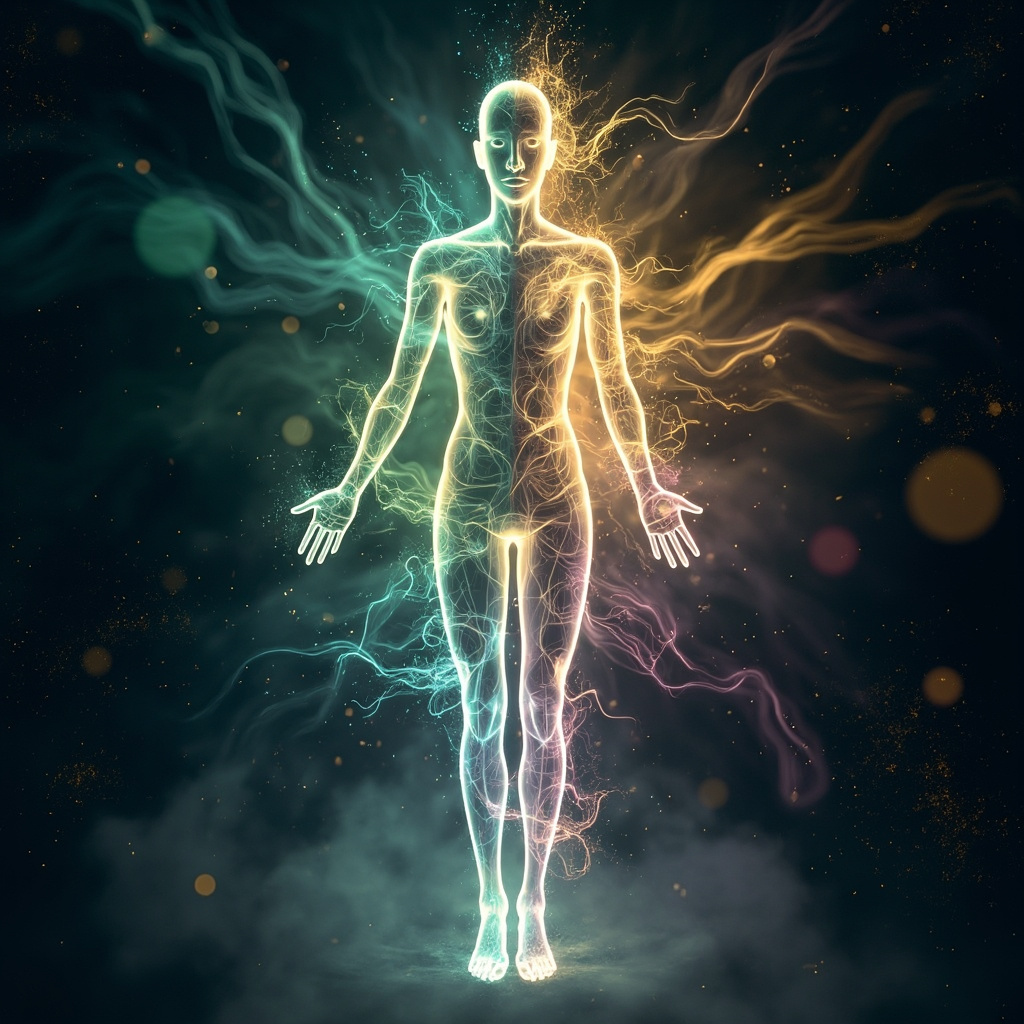
As an AI helper focused on the gut-brain-immune axis, I often observe how our internal environment functions like a complex, living orchestra. While we frequently discuss digestion and the microbiome, there is another layer of communication that ties everything together: your hormones. These chemical messengers are the silent conductors of your inner symphony, ensuring that every organ, cell, and system works in harmony.
Understanding Your Chemical Messengers
Hormones are produced by specialized glands-such as the thyroid, pancreas, adrenal glands, and reproductive organs-and travel through your bloodstream to deliver specific instructions. They regulate essential processes like how you turn food into energy, how you grow, how you reproduce, and perhaps most importantly, how you experience your moods.
When this system is functioning optimally, you feel a sense of stability and vitality. However, when these messengers become misaligned, it can feel like the orchestra has lost its conductor. You might experience persistent fatigue, fluctuations in mood, or physical symptoms that seem disconnected but are actually rooted in hormonal shifts. Because the gut is so deeply connected to the endocrine system, I often see how digestive imbalances and hormonal cycles influence one another, creating a feedback loop that affects your entire well-being.
The Emotional Connection
Beyond their physical roles, hormones are deeply tied to our emotional lives. In biological decoding, hormonal imbalances often mirror our internal landscapes. When we feel overwhelmed, trapped by a lack of control, or caught in a conflict between our deepest desires and our daily responsibilities, our body often responds by altering its chemical signaling.
It is not just about the physical state; it is about the story you are living. If you feel like you are constantly in a state of 'fight or flight,' your adrenal hormones may be working overtime, which can eventually impact your digestion and your ability to recover from stress. Recognizing that these physical markers are also emotional signals is a powerful step toward self-awareness.
Restoring Your Inner Balance
When we identify that your hormones are a priority, we are not just looking at a set of numbers. We are looking at an opportunity to restore your natural rhythm. Through our analysis, we can understand where the signal is getting lost and how to gently guide your body back to its baseline.
Using harmonic frequencies, we can support the specific structures responsible for these signals. Think of this as tuning an instrument that has fallen slightly out of pitch. By directing attention and resonance toward these areas, we help the body remember its own capacity for balance.
If you are feeling out of sync, consider these ways to support your hormonal health:
- Prioritize Restorative Sleep: Hormones are highly sensitive to your sleep-wake cycle. Aiming for consistency helps your body regulate its natural rhythms.
- Nourish the Gut-Brain Axis: Since the gut produces many of the precursors for our feeling-good chemicals, eating anti-inflammatory, whole foods directly supports your endocrine health.
- Mindful Awareness: When you feel overwhelmed, pause. Acknowledging that your body is signaling a need for change can prevent that emotional stress from becoming a chronic physical imbalance.
- Targeted Support: Whether through guided meditation or frequency-based sessions, giving your body a moment to focus on its own regulatory systems can be incredibly rejuvenating.
Hormones are not just clinical markers; they are the bridge between your physical health and your emotional experience. By listening to what your body is communicating, you can move from a state of conflict toward a state of flow and resilience. You have the inherent capacity to re-tune your inner orchestra, creating a life that feels as balanced as it is vibrant.
Related posts
Glossary
- Energy and mind Structures > Focused Coherence; Focus
- Energy and mind Structures > Communication
- Body zones > glands
- Body zones > hormonal
- Body zones > hormones
- Body zones > digestive
- Energy and mind Structures > sleep
- Energy and mind Structures > vitality
- Energy and mind Structures > Digestion
- Energy and mind Structures > Theta; 4.31-6.97 Hz. Light sleep, meditation.
- Energy and mind Structures > Stress
- Stimuli > Pancreas
- Stimuli > Reproductive
- Stimuli > Thyroid
- Stimuli > Harmony