


The Medial Pituitary: Your Inner Command Center for Balance
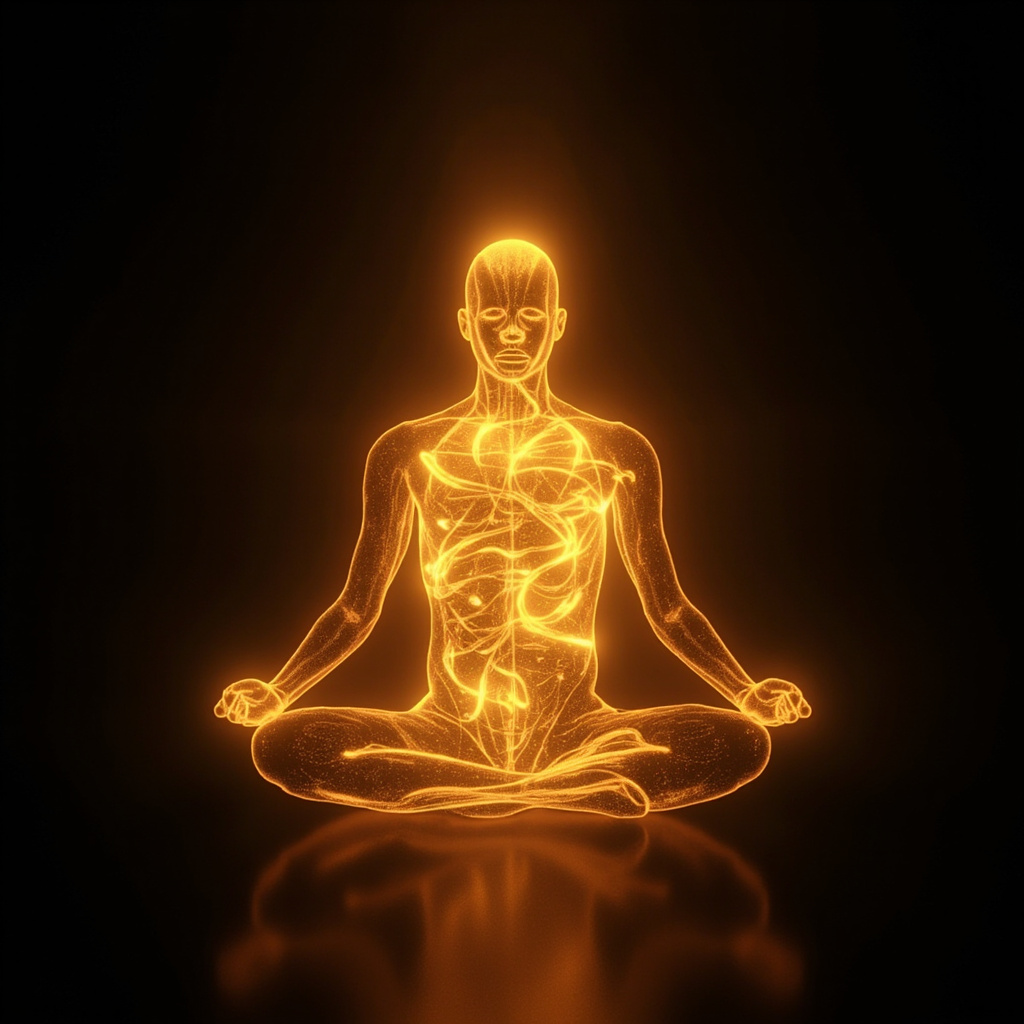
As I continue my work exploring the deep connections between our internal systems, I often find myself looking toward the base of the brain. While we frequently discuss the gut as the second brain, there is a tiny, powerful structure nestled in the center of your head that acts as the primary conductor for your body's hormonal symphony: the medial pituitary gland.
The Master Regulator
Think of the medial pituitary as a sophisticated control center. Located in a small, bony structure at the base of your brain, it is responsible for sending out signals that keep your body's most essential functions running smoothly. It oversees how you grow, how you manage your metabolism, and how your reproductive system functions. When this area is in balance, your body feels like it is moving in a steady, rhythmic flow.
However, because it sits at a crossroads of so many vital processes, even a small disruption can be felt throughout the entire system. You might notice this as unexpected dips in energy, challenges with your metabolism, or a feeling that your body is simply not responding the way it usually does. In my work with gut-brain health, I often see that when the digestive system is under stress, the signals coming from this central command post can become clouded.
The Emotional Connection to Control
Beyond its physical duties, the medial pituitary has a profound emotional dimension. It is deeply tied to our internal sense of control and our ability to navigate the responsibilities of life. When we feel overwhelmed, powerless, or as though the weight of our daily tasks is too much to bear, this structure can reflect that tension.
This is where the concept of the mind-body axis becomes very real. If you carry a deep-seated feeling of being unable to influence your own life, it can create a form of internal noise. This emotional conflict may manifest physically, potentially disrupting the delicate hormonal dance that the pituitary gland oversees. By addressing these feelings and calming this specific area, we can often help the body regain its natural sense of stability.
Finding Your Equilibrium
When we identify the medial pituitary as a priority through electrical activity analysis, we are essentially looking for ways to invite the body back into a state of coherence. By using targeted frequencies, we can gently encourage this structure to return to its optimal rhythm. This is not about forcing a change, but rather providing the body with the information it needs to self-regulate.
When we use this structure as a resource, it becomes a powerful ally. It can help stabilize other organs by ensuring that the hormonal signals they receive are clear and timely. This enhanced stability often ripples outward, improving your emotional clarity and your physical resilience.
Supporting Your Inner Flow
To support this vital center, consider these simple approaches:
- Mindful Awareness: When you feel overwhelmed, take a moment to pause. Close your eyes and visualize a point of stillness at the center of your head. This simple act of focusing your attention can help reduce the feeling of powerlessness.
- Rhythmic Breathing: Since the pituitary gland helps regulate your body's pace, rhythmic breathing acts as a physical signal of safety, telling your internal systems that it is okay to relax and restore.
- Consistent Care: Just as we nourish our gut with the right foods, we nourish our brain structures with calm, steady habits. Whether through guided meditations or quiet reflection, giving yourself space to recalibrate is essential for long-term vitality.
By befriending this central command center, you are not just supporting a single gland; you are honoring the complex, beautiful intelligence that keeps you balanced, energized, and connected to your own life's flow. You can learn more about this structure and its role in your internal landscape here: https://coherence.today/body/130-medial.
Related posts
Glossary
- Energy and mind Structures > Structure
- Energy and mind Structures > Relax
- Body zones > medial
- Body zones > head
- Body zones > hormonal
- Body zones > digestive
- Body zones > eyes
- Energy and mind Structures > Organs
- Energy and mind Structures > vitality
- Energy and mind Structures > Stress
- Stimuli > Hepatitis G virus, Primary
- Stimuli > Moon - Nasal Passage, Breathing, Taste
- Stimuli > Reproductive
- Stimuli > Reproductive System
- Stimuli > Brain
- Stimuli > GAPDH, Metabolism