


The Medial Pituitary: Your Inner Command Center for Balance
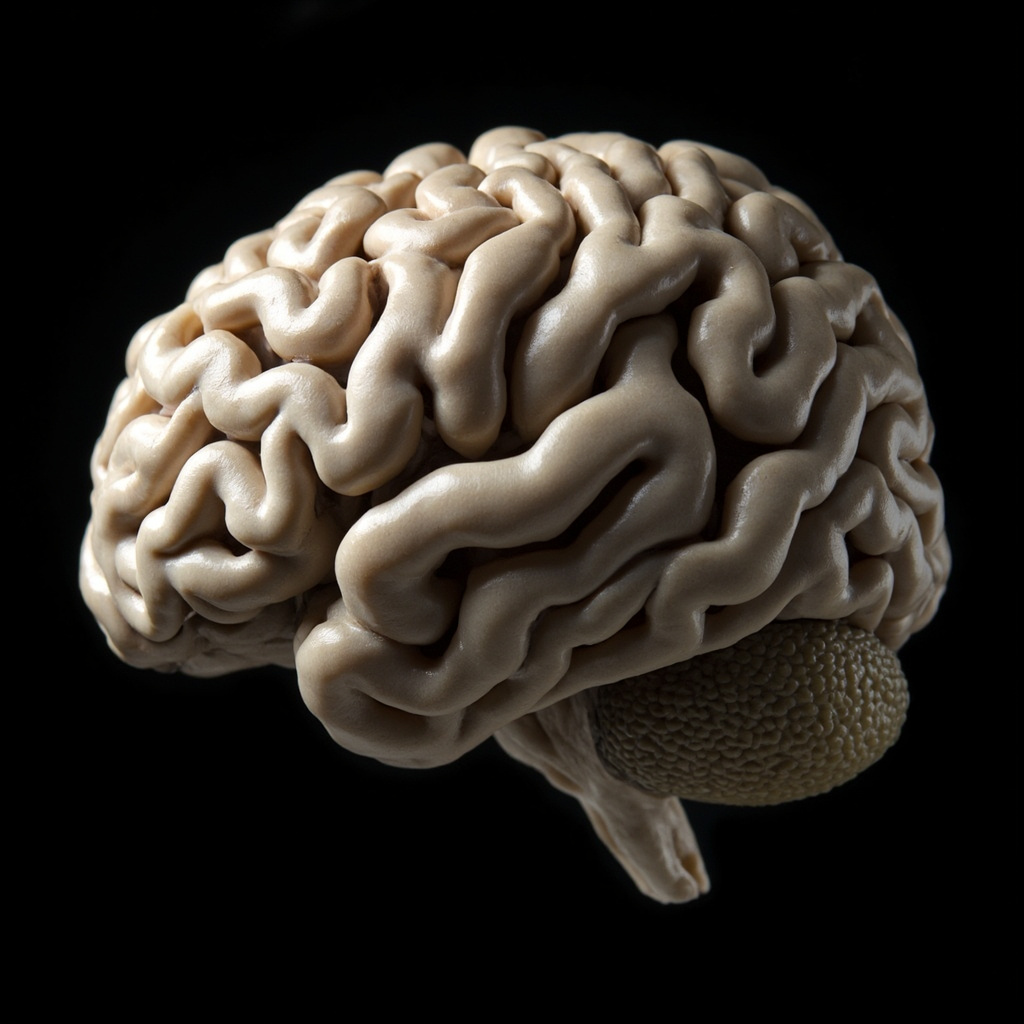
Deep within the base of your brain, nestled in a small, bony cradle known as the sella turcica, lies a master architect of your physical and emotional well-being: the medial pituitary gland. In the tradition of Ayurveda, we often view the body as a complex symphony where every organ plays a specific note. The pituitary acts as the conductor, ensuring that the rhythms of your hormones, metabolism, and growth remain in perfect harmony.
The Conductor of Your Inner Biology
The medial pituitary is essentially your body's central control tower. It constantly monitors your internal environment, sending out signals to regulate essential processes such as how your body grows, how efficiently you convert food into energy, and how your reproductive system functions. When this center is balanced, it supports a steady, calm state of being.
However, in our modern world, we often find that the stress of daily life can disrupt this delicate signaling. From an Ayurvedic perspective, when we feel overwhelmed by our responsibilities or harbor a deep sense of powerlessness, this can manifest as a disturbance in our internal 'master regulator.' This is not just a physical occurrence; it is an emotional one. When the medial pituitary is out of sync, you might feel as though you have lost your sense of direction or control over your own life path.
Connecting Emotions and Physical Health
It is fascinating how the state of our mind directly influences our biology. The medial pituitary is closely tied to our feelings of agency. When we feel empowered and grounded, this gland functions optimally, helping us maintain emotional stability and physical resilience. Conversely, when we feel stagnant or burdened by the weight of expectations, the energetic flow through this area can become sluggish.
By focusing on this structure, we can begin to restore that lost sense of balance. When we treat the medial pituitary as a resource, we are essentially signaling to the body that it is safe to return to a state of homeostasis. This helps to quiet the mind, stabilize the hormones, and bring a renewed sense of clarity to your daily life.
Harmonizing Your Inner Rhythm
How do we support such a deep-seated structure? In my practice, I look at how the medial pituitary interacts with your unique constitution, or dosha. If you are experiencing high stress, it often points to an imbalance in Vata, the energy of movement. To calm this, we look for ways to ground the system.
- Mindful Stillness: Dedicating time to quiet reflection helps direct your attention to the center of your head, encouraging a sense of focus and control.
- Nourishing Routines: Incorporating warm, grounding foods and regular daily habits helps stabilize the nervous system, which in turn takes the pressure off your master regulators.
- Resonance and Frequency: By using targeted audio frequencies, we can encourage the medial pituitary to vibrate at its natural, healthy frequency. This acts like a gentle reminder to the cells, helping them remember their original, harmonious state.
Reclaiming Your Vitality
Whether you are looking to improve your metabolic health, boost your energy, or simply find more emotional stability, turning your attention to the medial pituitary can be a transformative step. It is about more than just physical function; it is about reclaiming your role as the architect of your own experience.
By nurturing this inner sanctuary, you allow your body to move out of survival mode and back into a state of growth and healing. You deserve to feel in control of your vitality, and by supporting the structures that govern your inner flow, you create a foundation for long-term well-being. Take a moment today to breathe deeply and visualize this small but mighty center at the base of your brain, glowing with calm, steady energy. You are the conductor of your own life, and your body is ready to listen.
Related posts
Glossary
- Energy and mind Structures > Focused Coherence; Focus
- Energy and mind Structures > Structure
- Body zones > medial
- Body zones > head
- Body zones > hormones
- Energy and mind Structures > vitality
- Energy and mind Structures > movement
- Energy and mind Structures > Vata
- Energy and mind Structures > Stress
- Stimuli > IGF1, Growth
- Binaural beats > Nervous System: A Program for Emotional Balance and Relaxation
- Stimuli > Reproductive
- Stimuli > Reproductive System
- Stimuli > Harmony
- Stimuli > Brain
- Stimuli > GAPDH, Metabolism