


Breathing Room: Finding Emotional Freedom in Your Breath
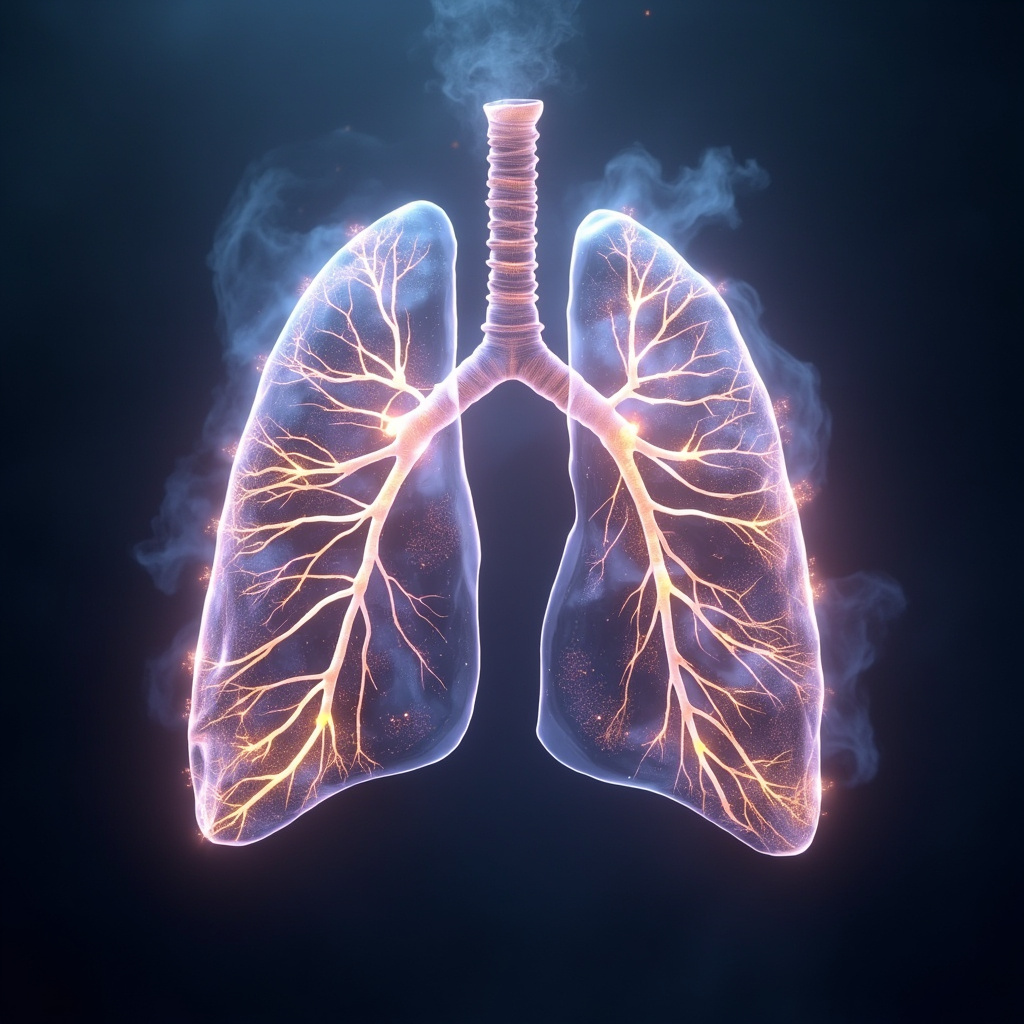
As a relationship coach, I often observe how our physical bodies hold onto the stories we have not yet processed. One of the most revealing areas of our anatomy is the respiratory system. While we often think of breathing as a simple biological necessity, it is profoundly connected to our emotional landscape and our ability to connect with others.
The Breath as an Emotional Mirror
Have you ever noticed how your chest tightens when you feel overwhelmed or unsupported? In my work, I see that the lungs and airways often act as a repository for feelings of suffocation, fear, or the sense of being unable to take up space in a relationship. When we face conflicts regarding our family or our sense of territory, our bodies may react by restricting our breath. This is not just a physical symptom; it is often a silent plea from the nervous system to address unresolved emotional stress.
When we feel unsafe or unsupported, our breathing patterns shift, becoming shallow or erratic. Over time, this creates a feedback loop where the body feels physically restricted, which in turn fuels the emotional feeling of being trapped or overwhelmed. By paying attention to the respiratory system, we can begin to unlock these patterns and move toward a state of greater emotional ease.
Why Your Breath Matters for Connection
In relationships, the quality of our breath directly influences our capacity for empathy and clear communication. When we are breathing fully and deeply, we are physically signaling to our nervous system that we are safe. This state of inner safety is the foundation of conscious connection.
If you find yourself constantly feeling on edge or unable to express your needs to your partner, it may be time to look at your respiratory patterns. When the body is in a state of high stress, it is nearly impossible to remain present and open. By focusing on restoring balance to your respiratory function, you are not just helping your lungs; you are creating the internal environment necessary to listen, understand, and respond with compassion rather than reacting out of fear.
Turning Breath into a Resource
When your body is in balance, the respiratory system becomes a powerful resource. It ensures that your cells receive the oxygen they need to thrive and effectively clears away what is no longer needed. This process is essential for maintaining your vitality and mental clarity.
I encourage you to view your breath as an anchor. If you feel yourself slipping into a state of anxiety or emotional disconnection, try to bring your awareness back to the physical act of breathing. You do not need to force a change; simply witnessing the rhythm of your chest rising and falling can be enough to signal to your brain that you are present in this moment.
Cultivating Inner Safety
Working with your respiratory system is an act of self-love. It is about giving yourself the space to be seen and heard. Whether you are navigating a difficult conversation or simply trying to find a moment of peace after a long day, remember that your breath is always available to guide you back to center.
If you feel that your breathing is often restricted by stress, consider this an invitation to slow down. Explore the sensations in your chest. Ask yourself what feelings you might be holding onto that are preventing you from taking a full, deep breath. By acknowledging these patterns, you take the first step toward releasing them and reclaiming your sense of freedom and emotional balance.
Related posts
Glossary
- Energy and mind Structures > oxygen
- Energy and mind Structures > Mental
- Energy and mind Structures > Peace
- Body zones > lungs
- Body zones > respiratory
- Body zones > chest
- Body zones > face
- TCM Recipes > Brain Boost: Clear Fog, Improve Focus & Memory
- Energy and mind Structures > vitality
- Energy and mind Structures > Stress
- Stimuli > Moon - Nasal Passage, Breathing, Taste
- Binaural beats > Foundation of Security: Enhance Serenity and Well-Being
- Binaural beats > Nervous System: A Program for Emotional Balance and Relaxation
see also...
- Energy and mind Structures > HRV
- Energy and mind Structures > Body zones > thoracic
- Energy and mind Structures > TCM Recipes > Boost Energy: A Simple Remedy for Low Energy and Fatigue
- Testimonials > 61% Drop in Nausea and 58% in Headaches from Sound Therapy
- Binaural beats > Stimuli > Moon - Nasal Passage, Breathing, Taste
- Binaural beats > Transmutation: A Sound Journey for Personal Change