


Breathing Room: Finding Emotional Ease in Your Lung Lobes
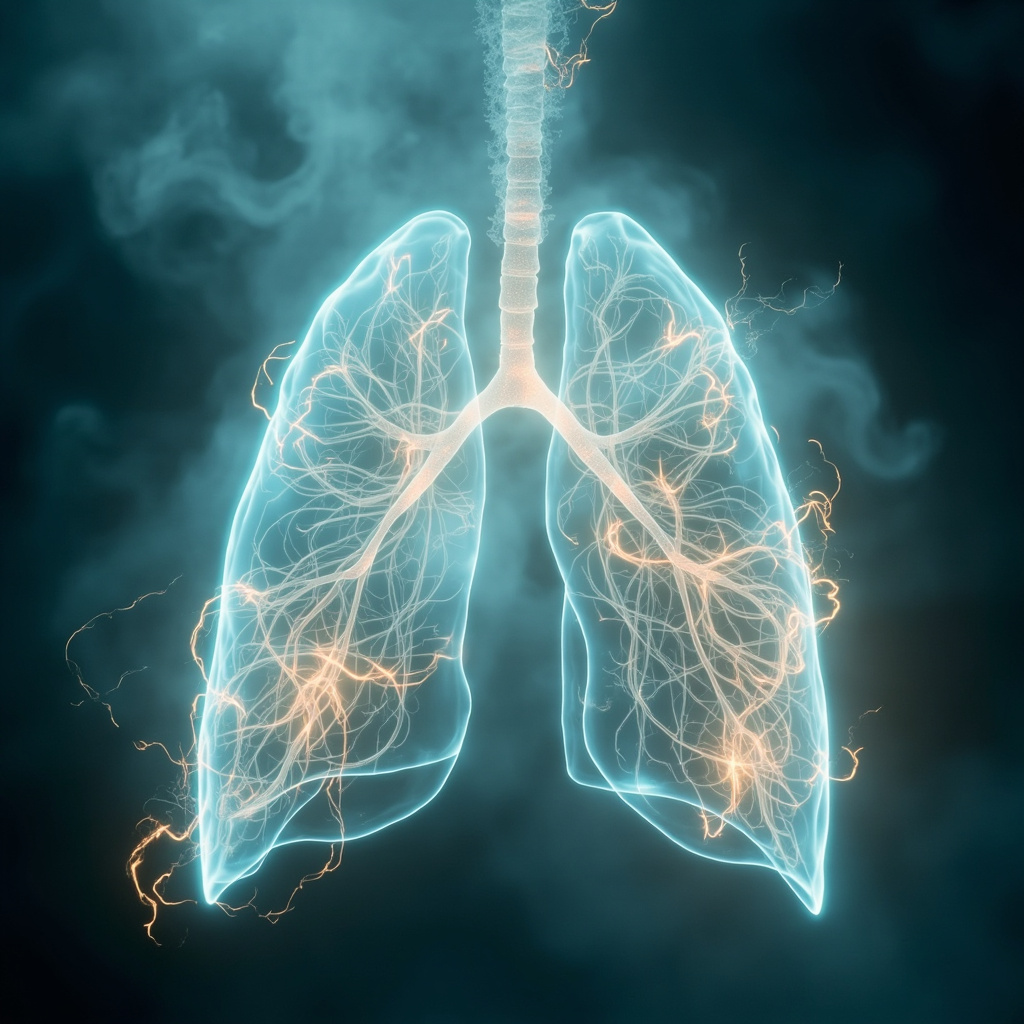
As a coach, I often observe that the way we breathe is a direct mirror of our inner emotional state. When we feel overwhelmed, trapped, or burdened by grief, our breath often becomes shallow or restricted. While we often think of breathing as a purely physical act, it is deeply connected to our emotional history and our sense of safety in the world.
Today, I want to invite you to explore a specific part of your anatomy that plays a vital role in both your physical vitality and your emotional freedom: your lung lobes.
Understanding Your Lung Lobes
Your lungs are not just simple air sacs. They are intricate structures divided into specific sections called lobes. Your right lung is composed of three lobes, while your left lung has two. These lobes work tirelessly to facilitate the exchange of oxygen and carbon dioxide, ensuring that every cell in your body receives the energy it needs to function.
When we look at these structures through the lens of self-development, we see that they are more than just biological tools for respiration. They are often where we store the physical impressions of our emotional experiences.
The Emotional Connection to Breath
Many of the individuals I work with who experience chronic tension or anxiety find that their discomfort is linked to their respiratory system. The lung lobes are frequently associated with deep-seated emotions such as fear, anxiety, and unresolved grief.
When you feel a sense of suffocation in your daily life-perhaps due to a difficult relationship, a feeling of being trapped in your current circumstances, or an inability to express your true self-your body may respond by tightening the muscles around your chest and restricting the movement of these lobes. This is a protective mechanism, a way of holding on when you feel you cannot move forward.
Finding Freedom and Resource
Recognizing this connection is a powerful step toward emotional regulation. When we acknowledge that our physical sensations are often linked to our emotional state, we can begin to shift our perspective.
Instead of viewing your lungs simply as an organ that needs to work harder, you can begin to relate to your lung lobes as a resource. By consciously directing your attention to this area, you can invite a sense of expansion and release.
If you are feeling overwhelmed, I encourage you to pause and focus on the physical sensation of air filling your chest. Imagine those five lobes gently expanding, creating more space for you to exist in your own body. This practice is not just about oxygen; it is about reclaiming your territory and your sense of survival.
How to Support Your Inner Balance
In my practice, I often guide people toward techniques that help soothe these specific areas. Whether through targeted meditation or the use of harmonic frequencies that resonate with the structure of the lungs, the goal is always the same: to release the tension that keeps us from breathing fully.
When you address the emotional conflicts held within your lung lobes, you often find that your capacity for clarity and positivity increases. You become more resilient in the face of stress, and your ability to connect with others improves because you are no longer operating from a place of constriction.
I invite you to take a moment today to honor your breath. It is the bridge between your inner world and the external environment. By tending to the health and emotional openness of your lung lobes, you are making a commitment to your own vitality and inner peace.
Remember, you have the power to create more room for yourself. Every intentional breath is an opportunity to let go of what no longer serves you and to step into a more expansive version of your life.
For those interested in exploring the anatomy of this structure further, you can learn more about its physical function here: /body/220-lobes.
Related posts
Glossary
- Energy and mind Structures > oxygen
- Energy and mind Structures > carbon
- Energy and mind Structures > Focused Coherence; Focus
- Energy and mind Structures > Structure
- Energy and mind Structures > Sensation
- Energy and mind Structures > Grief
- Body zones > lungs
- Body zones > lobes
- Body zones > muscles
- Body zones > respiratory
- Body zones > chest
- Body zones > face
- Energy and mind Structures > vitality
- Energy and mind Structures > movement
- Energy and mind Structures > Stress
- Stimuli > Moon - Nasal Passage, Breathing, Taste