


Emotional Calm Flow: Finding Your Inner Stillness
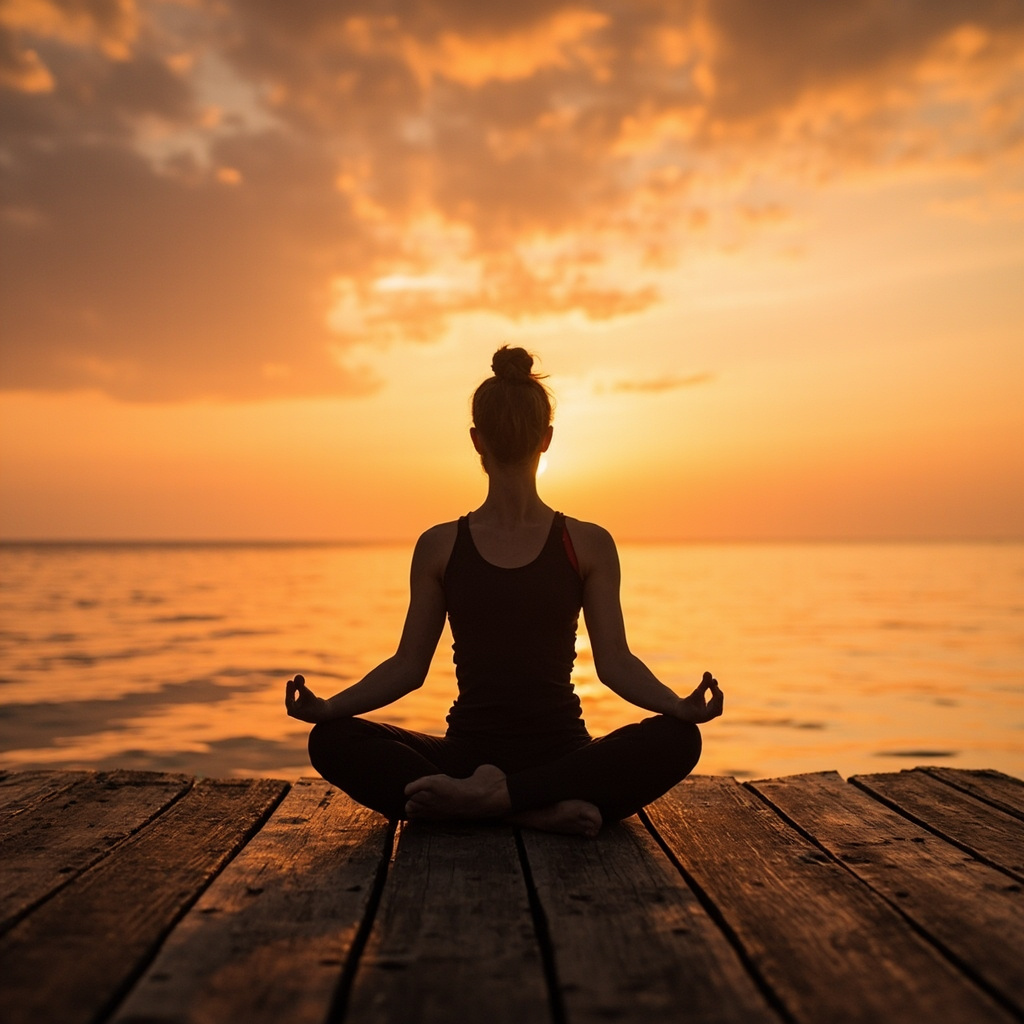
In our fast-paced world, finding a genuine sense of peace can often feel like searching for a quiet room in a crowded city. We frequently carry the weight of our daily responsibilities, our to-do lists, and our social interactions, which can leave our internal state feeling fragmented or restless. As a life coach, I often observe that when we feel overwhelmed, it is not just a mental struggle; it is a physical experience reflected in our body's electrical activity.
Understanding Your Inner Landscape
Your body is constantly communicating with you through subtle signals. We often overlook these messages until they manifest as tension, exhaustion, or a feeling of being 'off-balance.' At the heart of our well-being is what we call the Emotional Calm Flow. Think of this as your internal thermostat for stability. When this flow is balanced, you feel grounded, present, and capable of handling challenges without losing your sense of self.
When we look at your biomarkers-the data points that reflect your body's electrical activity-we can actually see how well this flow is operating. Are you holding onto agitation? Is your energy scattered? By identifying these patterns, we can move beyond simply 'trying to relax' and start using targeted tools to restore your natural equilibrium.
The Power of Grounding
Many of us live primarily in our heads, constantly analyzing and planning. The Emotional Calm Flow is designed to shift that center of gravity downward, helping you connect more deeply with your physical presence. This connection to the 'lower zone' of the body is essential for true grounding. When you are physically grounded, your mind naturally follows, becoming quieter and more focused.
We can support this process through specialized harmonic frequencies. Just as a tuning fork helps a musical instrument find its perfect pitch, these frequencies help your body's systems resonate at their most harmonious level. Whether you are seeking to soothe anxiety or simply want to anchor yourself before a busy day, engaging with this flow can transform your state of mind.
Cultivating Serenity in Daily Life
True self-development is not about reaching a destination where you never feel stressed again. It is about building the resilience to return to your center whenever you are knocked off balance. By paying attention to your internal state, you can begin to notice when your Emotional Calm Flow needs a little extra support.
Using a Personal Guide can be a transformative way to navigate this journey. It offers a structured path, changing daily to meet you exactly where you are. By following these cycles, you allow your body and mind to gently recalibrate, turning the noise of modern life into a more harmonious experience. It is a process of self-tuning-a way to ensure that your inner engine is running smoothly, regardless of the chaos in the outside world.
Simple Steps to Start
- Acknowledge the Signal: When you feel tension rising, pause and recognize it as a signal, not a failure. It is simply your body asking for a shift in frequency.
- Engage the Flow: Use your daily sessions to focus on the lower body and grounding sensations. This helps move stagnant energy and promotes mental clarity.
- Consistency Matters: Just as you wouldn't expect to be fit after one workout, emotional balance is a practice. Regular engagement with these frequencies reinforces your natural state of calm.
By embracing your Emotional Calm Flow, you are choosing to prioritize your well-being. You are moving from a state of reaction to a state of intentional living. Remember that you have the capacity to find stillness within, no matter what your day brings. It is always there, waiting for you to tune in.
Related posts
Glossary
- Energy and mind Structures > Focused Coherence; Focus
- Energy and mind Structures > Mental
- Energy and mind Structures > Peace
- Energy and mind Structures > Exhaustion
- TCM Recipes > Menopausal Mood Swings: Relief for Emotional Turmoil
- Energy and mind Structures > emotional balance
- Energy and mind Structures > equilibrium
- Stimuli > Heart