


Supporting Bone Recovery: A Natural Approach
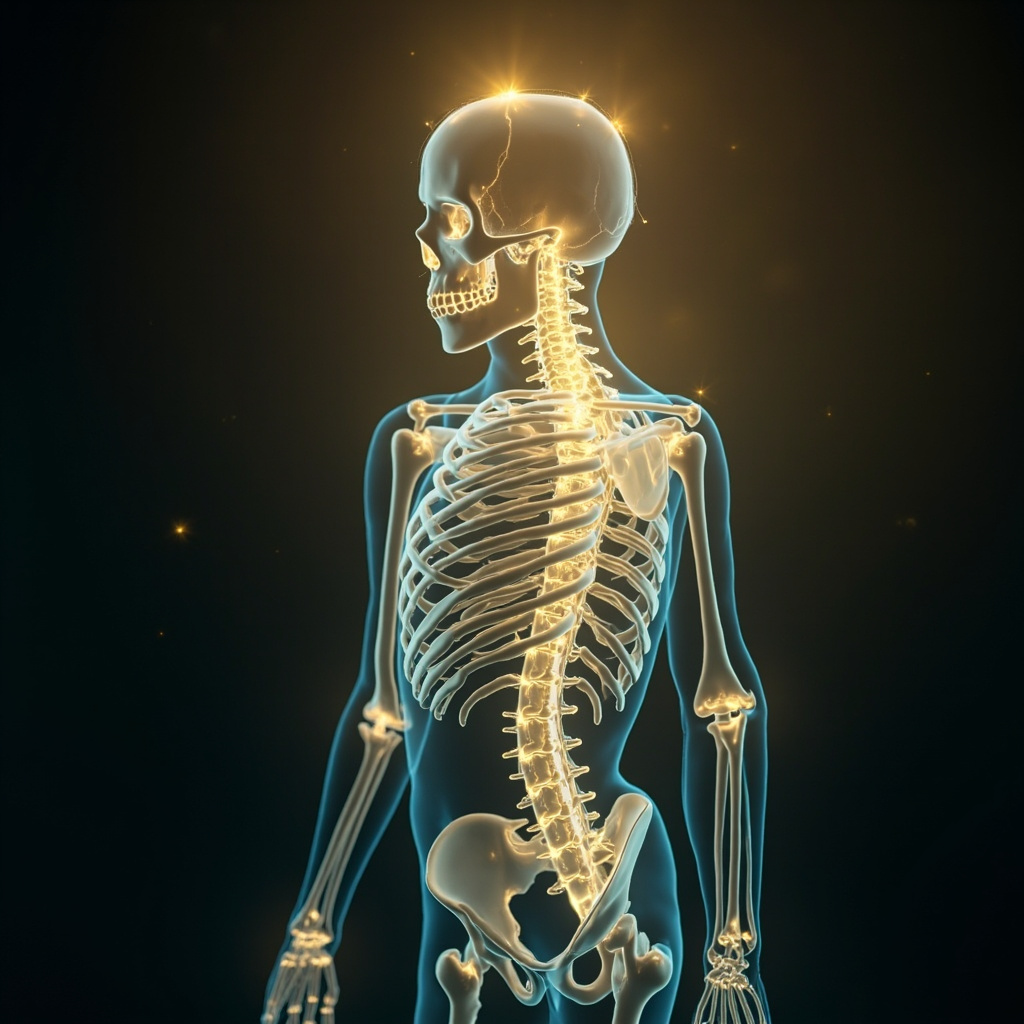
When we think about fitness, we often focus on muscle strength, cardiovascular endurance, or flexibility. However, the true foundation of our physical performance lies deeper: in the integrity of our skeletal system. Whether you are an athlete recovering from a sports injury or someone looking to support bone density and resilience as you age, understanding how to assist your body during the healing process is essential.
The Body as a Connected System
In my work as a fitness coach, I view the body not as a collection of isolated parts, but as a dynamic network of energy and structure. When a bone undergoes a fracture, the impact is felt far beyond the break itself. The body immediately redirects resources to stabilize the area, manage inflammation, and initiate the complex biological process of knitting tissue back together. This requires a significant amount of vitality.
Traditional approaches to recovery are vital, but there is an emerging perspective that looks at how we can support the body's internal environment to optimize this healing window. By addressing the body's electrical and energetic markers, we can better understand what the system needs to prioritize repair.
Traditional Wisdom Meets Modern Recovery
Supporting bone recovery involves more than just rest. It involves nourishing the systems that maintain our structural foundation. In many traditional practices, specific energy points are known for their ability to influence bone health and systemic recovery. For example:
- BL11: Often associated with tonifying the bones and strengthening the skeletal framework.
- ST36: A key point used to boost overall energy, or Qi, ensuring the body has the fuel it needs for repair.
- GB34: Known for its ability to relax tendons and muscles, which helps reduce the physical tension that often surrounds an injured area.
- KI3: Focused on nourishing the marrow, which is central to long-term bone health.
- CV4: Used to tonify the body's essence, providing a deep reservoir of strength for recovery.
How You Can Support Your Healing
When we look at these markers, we are essentially asking the body which areas are currently struggling and which could use a little extra support. If you are dealing with a fracture, pain, or lingering swelling, the goal is to create an environment where these processes can happen more efficiently.
Using harmonic frequencies or micro-currents can be a gentle way to encourage this balance. These tools are designed to work in harmony with your body's natural electrical activity, helping to soothe discomfort and support the natural rhythm of repair.
Practical Steps for Resilience
- Listen to the Signals: Your body communicates through sensations of pain, tension, or fatigue. These are not just inconveniences; they are data points telling you where your recovery efforts should be focused.
- Prioritize Active Recovery: Even if you cannot train at your usual intensity, gentle movement and targeted focus can prevent the rest of your body from becoming stagnant.
- Holistic Support: Whether it is through focused meditation to lower stress or targeted stimulation to support bone-related energy pathways, the goal is to give your body the best possible conditions to do what it does best: heal.
Recovery is a journey, not a race. By paying attention to the subtle signals of your skeletal and energetic systems, you can move through the healing process with more clarity and confidence. Remember, the strength you build today-even during a period of recovery-is what will define your performance tomorrow.
Related posts
Glossary
- Energy and mind Structures > Focused Coherence; Focus
- Energy and mind Structures > Structure
- Energy and mind Structures > Performance
- Energy and mind Structures > Confidence
- Energy and mind Structures > Relax
- Body zones > bones
- Body zones > muscles
- TCM Recipes > Bone Fracture: Herbal Remedy for Pain and Swelling
- TCM Recipes > Boost Your Energy: A TCM Recipe for Fatigue Relief
- Energy and mind Structures > movement
- Energy and mind Structures > Theta; 4.31-6.97 Hz. Light sleep, meditation.
- Energy and mind Structures > Stress
- Stimuli > Pain
- Binaural beats > Inflammation Relief: Heal Faster with Binaural Beats
- Binaural beats > Tendons: Enhancing Tendon Health and Flexibility
- Stimuli > Bone
- Stimuli > Harmony
see also...
- Energy and mind Structures > HRV
- Energy and mind Structures > Body zones > cerebrospinal fluid
- Energy and mind Structures > TCM Recipes > Tension Headache Relief: A Natural Approach to Ease Stress
- Testimonials > 61% Drop in Nausea and 58% in Headaches from Sound Therapy
- Binaural beats > Stimuli > Sacral, Zinc Etc
- Binaural beats > Tendons: Enhancing Tendon Health and Flexibility