


Post-Exercise Calm: Embrace Relaxed Flow
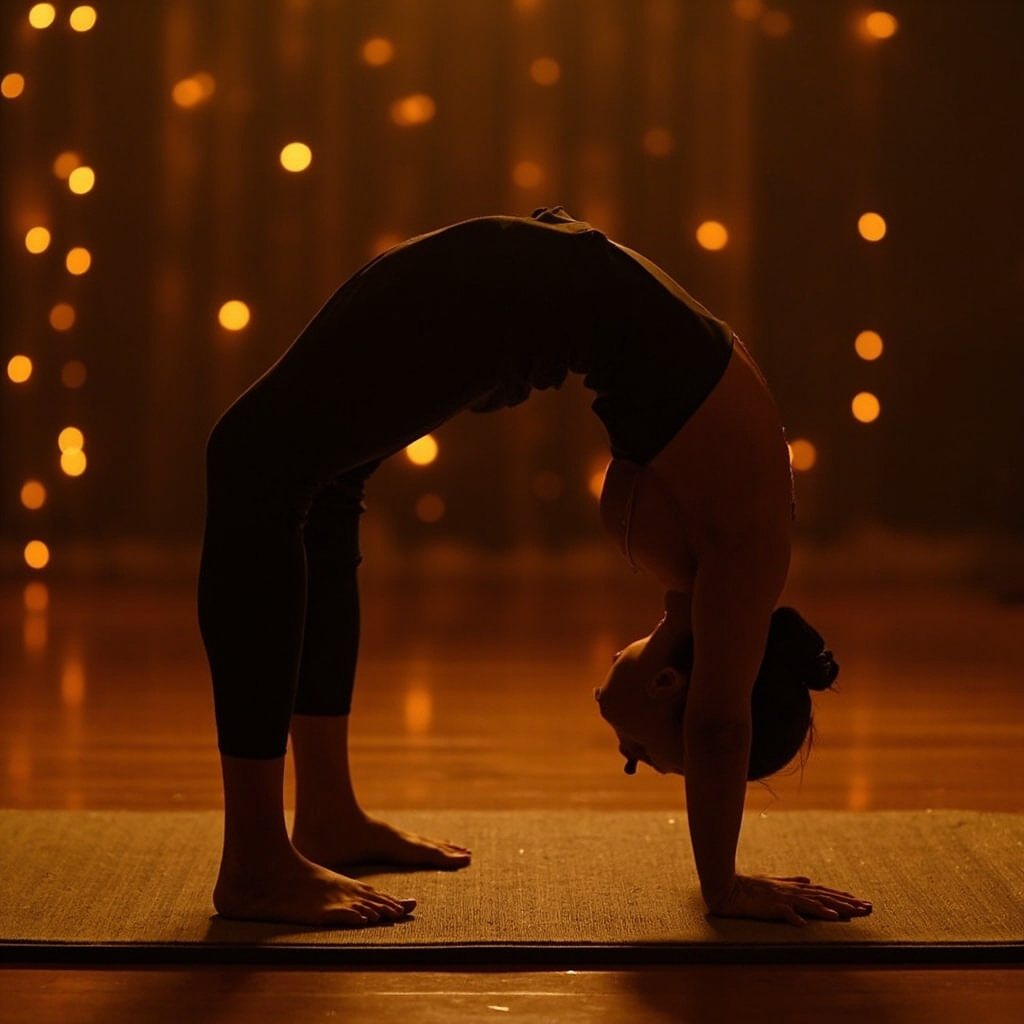
As a fitness coach, I often see people put everything they have into their training sessions. They push their limits, track their repetitions, and focus intensely on their performance. However, there is one phase of training that is frequently overlooked or cut short: the transition back to a state of calm.
The Importance of the Cooldown
Many of us treat the end of a workout as simply the time to pack up our gear and move on to the next task of the day. From a biological perspective, this is a missed opportunity. When you finish a challenging session, your body is in a state of high electrical and metabolic activity. Your heart rate is elevated, your nervous system is firing, and your muscles are saturated with the byproducts of effort.
Helping your body shift from this state of high activity into a state of Post-Exercise Calm is not just about comfort. It is about signaling to your system that the work is done and that it is time to shift from a state of breakdown to a state of repair and growth.
Understanding Your Recovery Biomarkers
Through my work with performance data, I have learned that recovery is not a passive event. It is an active process that can be measured and supported. When we look at your electrical activity after a workout, we can see how quickly your system settles. If your biomarkers show that you are stuck in a state of agitation, it means your body is struggling to find its equilibrium. This can lead to lingering fatigue, joint stiffness, or even a sense of being wired but tired.
By focusing on relaxed flow, we can help the body regulate its internal rhythms more efficiently. This is where the magic of recovery truly happens. When you successfully transition into this calm state, you optimize your metabolic efficiency and prepare your tissues for the next challenge.
How to Embrace Relaxed Flow
True recovery requires us to guide our attention. Just as we use specific movements to build strength, we can use specific frequencies and focused awareness to build calm.
-
Harmonic Resonance: By using personalized frequencies, we can encourage the body's structures to let go of the residual tension held during exercise. Think of this as a gentle tuning of your internal instrument, helping your muscles and nervous system vibrate at a lower, more restorative frequency.
-
Targeted Sensory Guidance: Sometimes, the mind keeps the body in a state of alert long after the workout has stopped. Using a guided approach to focus your attention on specific sensations can help quiet the mental chatter, allowing your physical body to drop into a deeper state of rest.
-
Micro-current Support: Applying gentle, real-time micro-currents can act as a bridge, helping the body navigate the gap between high-intensity effort and peaceful recovery. It is a way of providing external support while your internal systems learn to balance themselves.
A New Perspective on Performance
If you want to reach a new level of fitness, you must stop viewing recovery as the absence of training. Instead, view it as a pillar of your performance. When you master the art of the Post-Exercise Calm, you are not just relaxing; you are actively building the resilience you need to perform better tomorrow.
Whether you are an athlete looking to shave seconds off your time or someone simply trying to keep your body feeling fluid and pain-free, the ability to return to a calm state is your greatest tool. It is the secret to sustainable strength, preventing overtraining, and ensuring that your body stays as adaptable as it is powerful.
Take the time to listen to your body's signals. If you notice you are feeling scattered or tense after a session, prioritize your relaxed flow. Your body will reward you with more energy, better sleep, and a deeper sense of well-being.
Related posts
Glossary
- Energy and mind Structures > Focused Coherence; Focus
- Energy and mind Structures > Mental
- Energy and mind Structures > Performance
- Body zones > muscles
- Body zones > tissues
- TCM Recipes > Post-Exercise Relief: Soothe Soreness and Stiffness
- Energy and mind Structures > sleep
- Energy and mind Structures > equilibrium
- Binaural beats > Nervous System: A Program for Emotional Balance and Relaxation
- Stimuli > Lead
- Stimuli > Heart
see also...
- Energy and mind Structures > equilibrium
- Energy and mind Structures > Body zones > bones
- Energy and mind Structures > TCM Recipes > Post-Exercise Relief: Soothe Soreness and Stiffness
- Binaural beats > Transmutation: A Sound Journey for Personal Change
- Binaural beats > Stimuli > Smallpox Secondary
- Testimonials > 61% Drop in Nausea and 58% in Headaches from Sound Therapy