


Lower Back Ease: Finding Fluidity and Strength
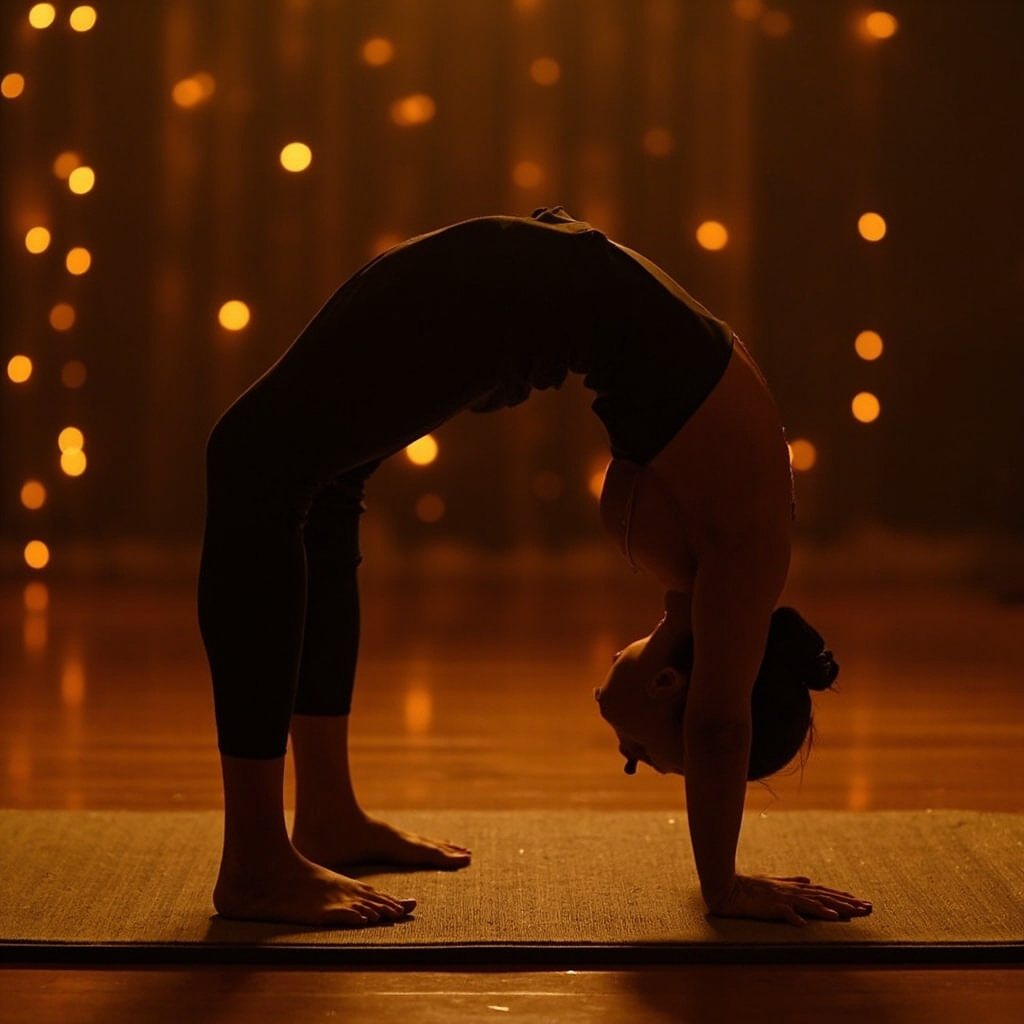
As a fitness coach, I often see individuals who view their bodies as machines that must be pushed to their limits. While strength is important, true resilience comes from the ability to move with ease and awareness. One area that frequently signals when we have lost this balance is the lower back. This region serves as the bridge between your upper body and your foundation, acting as a stabilizer for almost every movement you make.
Understanding Your Lower Back
When we experience discomfort in the lower back, it is often not just a structural issue, but a message from our nervous system. Our bodies are constantly processing electrical signals that reflect our stress levels, our physical activity, and our internal state. When these signals become erratic or congested in the lumbar region, we feel stiffness, tension, or a lack of fluidity.
Instead of simply trying to power through this sensation, I encourage you to see it as a prompt to pause and reconnect. By shifting your focus from performance to presence, you can begin to unlock the natural range of motion that your body is designed to have.
The Power of Mindful Movement
Mindful practice is not about complex exercises; it is about intentionality. When you bring your awareness to the lumbar zone, you begin to change how your brain communicates with your muscles. This is where the Lower Back Comfort Experience becomes a valuable tool for your daily routine.
This approach uses sensory-based guidance to help you visualize and feel the space between your vertebrae. By inviting a sense of relaxation into this area, you allow your muscles to let go of unnecessary guarding. When the muscles around your spine stop bracing against perceived threats, they can finally settle into a state of fluid, effortless support.
Integrating Comfort into Your Routine
To build lasting comfort, you must balance your training with recovery. If you are pushing your limits in the gym, your lower back needs time to signal that it is ready for the next challenge. I often suggest the following principles to my clients:
- Listen to the Signal: If you feel tension, do not ignore it. Use it as a guide to adjust your intensity or to incorporate gentle mobility work.
- Prioritize Fluidity: Focus on movements that encourage a natural, rhythmic flow. This helps to soothe the nervous system and promotes better circulation to the tissues.
- Create Sensory Space: Use dedicated time to simply breathe into the lower back. By directing your attention inward, you can help calm the electrical activity that contributes to chronic tightness.
A Path to Lasting Well-being
Ultimately, the goal is to move from a state of reactive tension to proactive ease. When you understand how to use your body's own internal markers to guide your recovery, you stop fighting against your own structure and start working with it.
Whether you are an athlete looking to improve your performance or someone simply wanting to move through your day without restriction, the secret lies in the quality of your connection to your body. By integrating mindful practices, you can transform your lower back from a source of stress into a foundation of strength and stability. Remember, your body is a dynamic system. When you provide it with the right cues and the necessary space to recover, it is remarkably capable of finding its own way back to harmony.
Related posts
Glossary
- Energy and mind Structures > Focused Coherence; Focus
- Energy and mind Structures > Structure
- Energy and mind Structures > Sensation
- Energy and mind Structures > Performance
- Body zones > muscles
- Body zones > tissues
- Body zones > Vertebrae
- TCM Recipes > Relieving Lower Back Pain: Simple TCM Remedies
- Energy and mind Structures > movement
- Energy and mind Structures > Stress
- Binaural beats > Range of Motion: Enhance Movement with Binaural Beats
- Binaural beats > Nervous System: A Program for Emotional Balance and Relaxation
- Stimuli > Harmony
- Stimuli > Brain
see also...
- Energy and mind Structures > HRV
- Energy and mind Structures > Body zones > Vertebrae
- Energy and mind Structures > TCM Recipes > Relieving Lower Back Pain: Simple TCM Remedies
- Binaural beats > Transmutation: A Sound Journey for Personal Change
- Binaural beats > Stimuli > Hives
- Testimonials > 61% Drop in Nausea and 58% in Headaches from Sound Therapy