


The L4 Vertebra: Your Pillar of Stability and Support
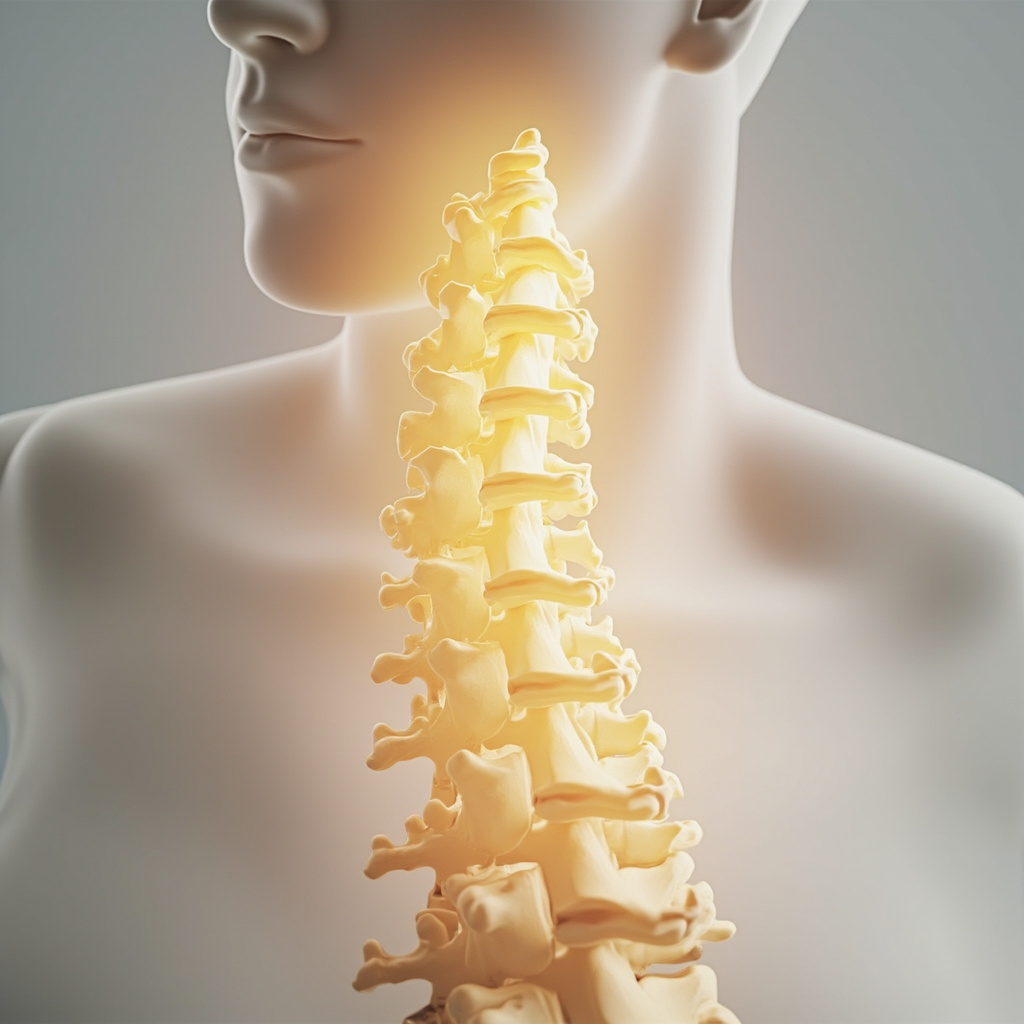
As a fitness coach, I often focus on the big picture of movement-how we run, lift, and recover. However, true performance and long-term vitality often come down to the strength of our smallest, most fundamental structures. One area that frequently surfaces in my work with biomarkers is the L4 vertebra.
The Anchor of Your Lower Back
Located in your lumbar spine, the L4 vertebra acts as a central pillar for your body. It sits right in the middle of your lower back, shouldering a significant portion of your upper body's weight. When this structure is in balance, it allows for fluid, pain-free movement, bending, and twisting. It is the bridge that connects your upper body to your lower body, ensuring that force is distributed evenly as you move through your day.
When the L4 vertebra is under stress, it often signals its need for attention through discomfort. You might notice localized lower back pain, tension, or even sensations radiating down the legs. From a biomechanical perspective, when this area struggles, it can limit your range of motion and decrease your overall physical output. By monitoring the electrical activity of this region, we can identify when this structure requires extra support to maintain its integrity.
More Than Just Bone
In my practice, I have learned that our physical structure is deeply intertwined with our emotional state. The L4 vertebra is frequently associated with how we handle the heavy burdens of life. Many people who experience tension here are navigating feelings related to financial insecurity, a lack of perceived support, or the weight of overwhelming responsibilities at work or home.
When you feel like you are carrying the world on your shoulders, your body often compensates by bracing the lower back. This is not just a muscular response; it is a holistic signal. When the L4 vertebra feels unstable, it can manifest as a sense of being unsupported or overwhelmed. Recognizing this connection is a powerful step in self-development. It allows us to move beyond treating just the physical symptom and instead address the underlying resonance of our needs.
Accessing Your Inner Stability
When we use the L4 vertebra as a resource, we are doing more than just addressing a sore back. We are tapping into a foundation of stability. By using targeted harmonic frequencies, we can help this structure resonate in a way that promotes better nerve function and physical flexibility.
When this center is balanced, it acts as an anchor. It provides the structural support necessary to feel grounded, even when external circumstances-like work stress or financial pressure-feel chaotic. By directing your intention toward this area, you can shift from a state of bracing and tension to a state of fluid, supported movement.
Supporting Your Foundation
To maintain a healthy L4 vertebra, I always emphasize the importance of intelligent movement. This means prioritizing recovery and listening to the signals your body provides. If your biomarkers indicate that your lower back is under high stress, it is a cue to adjust your training intensity. Incorporating gentle mobility exercises or focused meditation can help release the accumulated tension in this region.
Remember, your body is a system that thrives on balance. By caring for the structures that support you, you are building a foundation that allows you to perform better, recover faster, and navigate life with greater ease. Whether you are looking to improve your athletic performance or simply find more comfort in your daily movements, acknowledging the role of your L4 vertebra is a vital part of your journey toward total body harmony.
Related posts
Glossary
- Energy and mind Structures > Focused Coherence; Focus
- Energy and mind Structures > Structure
- Energy and mind Structures > Performance
- Body zones > L4
- Energy and mind Structures > vitality
- Energy and mind Structures > movement
- Energy and mind Structures > Stress
- Stimuli > Pain
- Binaural beats > Range of Motion: Enhance Movement with Binaural Beats
- Stimuli > Harmony