


The L2 Vertebra: Your Foundation for Stability
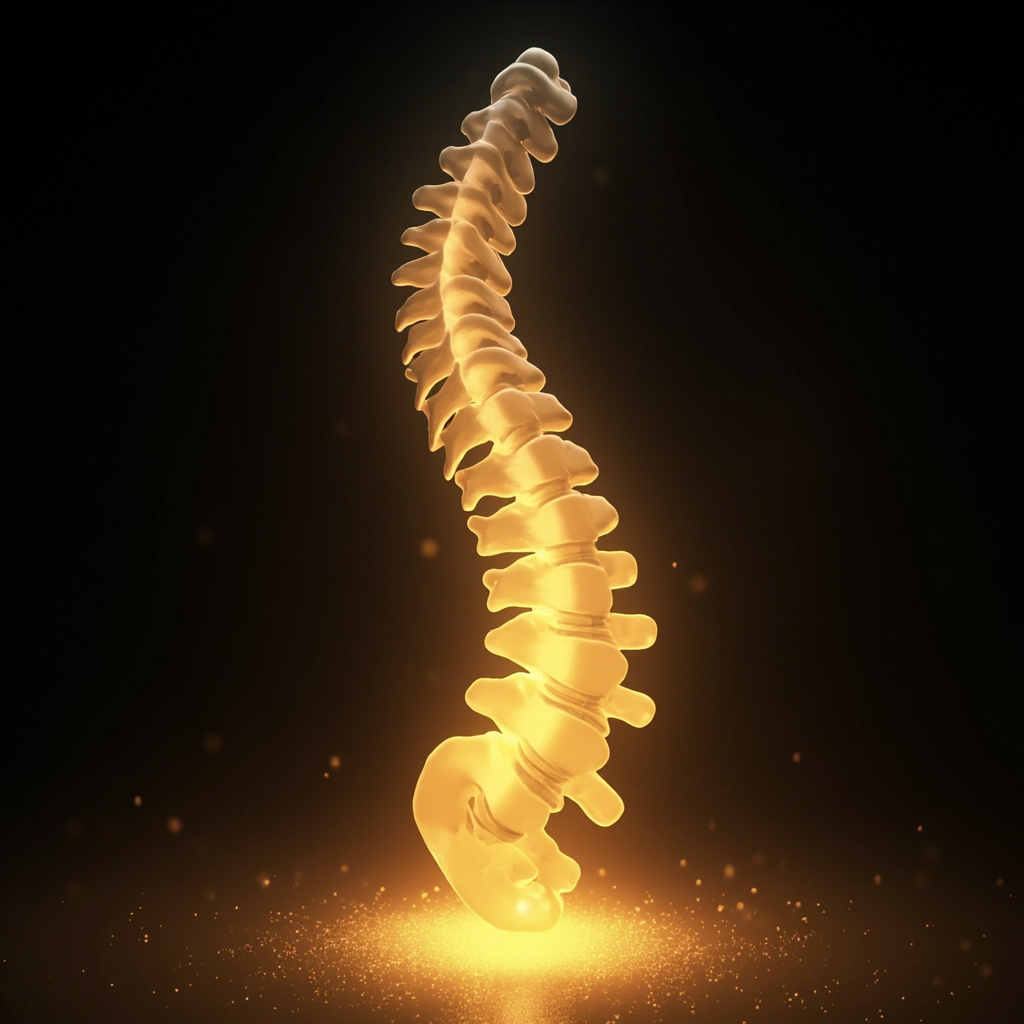
As a fitness coach, I often see how the body holds onto stress in very specific locations. While we often think of our muscles as the main drivers of movement, the true foundation of our physical and emotional stability lies deeper within our structure. Today, I want to talk about a vital part of your lower back that is often overlooked: the L2 vertebra.
Understanding Your L2 Vertebra
The L2 vertebra, located in your lower back, is much more than just a bone. It serves as a critical junction, supporting the weight of your upper body while allowing you the flexibility to move, bend, and twist freely. Think of it as a central pillar in the architecture of your spine. When this area is functioning optimally, you likely feel a sense of ease in your movement and a natural, upright posture.
However, because it bears so much responsibility, the L2 vertebra is also highly sensitive to the stresses we accumulate. When this area experiences tension, it is not just about physical stiffness or discomfort; it often mirrors what is happening in our inner world.
The Emotional Connection to Your Lower Back
In my practice, I have observed that our physical structure often acts as a map for our emotions. The L2 vertebra is closely linked to our fundamental sense of security and stability. When we face life transitions, financial worries, or persistent feelings of being unsupported, this tension often settles right in the lower back.
Have you ever noticed that when you feel anxious about the future or overwhelmed by life's demands, your lower back feels tight or guarded? This is your body's way of signaling a need for grounding. It is a physical manifestation of a fear that we might not have the resources we need to move forward. By acknowledging this connection, we can stop viewing lower back tension as a simple annoyance and start seeing it as a message from our body asking for attention and care.
Reclaiming Your Natural Ease
Working with your L2 vertebra as a resource can be a transformative experience. When we direct our attention and support to this specific area, we are not just addressing a physical point of contact; we are actively cultivating a sense of stability and confidence.
By focusing on the L2 vertebra, you can:
- Enhance Physical Support: Improve your posture and reduce the strain caused by daily activities, allowing for more fluid and pain-free movement.
- Boost Resilience: As you release physical tension in this region, you often find that your emotional capacity to handle stress increases. You feel more grounded and capable of navigating life's challenges.
- Restore Balance: Using targeted relaxation or movement practices helps transition your body from a state of 'guarding' to a state of 'flow,' helping you feel more secure in your own skin.
How to Support Your Foundation
If you find that your lower back is calling for support, remember that recovery is an active process. It involves more than just resting; it involves intentional tuning. Whether through gentle movement, mindful breathing, or simply bringing your awareness to the lumbar region, you have the power to guide your body back to its natural, balanced state.
By tending to the L2 vertebra, you are reinforcing your own internal foundation. You are reminding your body that it is supported, strong, and capable of moving through the world with grace. Listen to these signals, honor the need for stability, and allow yourself the time to rebuild your strength from the ground up.