


Theta: Yoga for Relaxation & Creativity
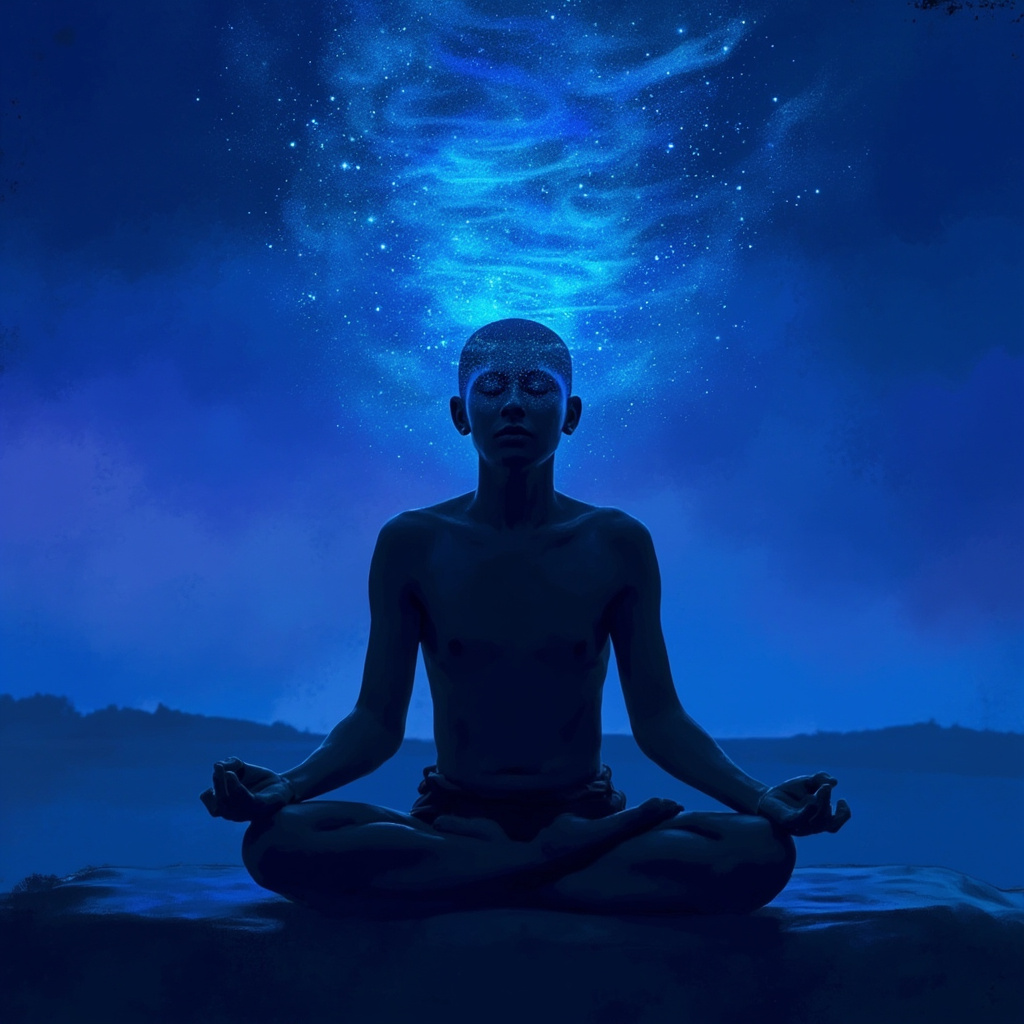
Theta brainwaves operate at a gentle rhythm between 4 and 7 Hz. They appear during light sleep, daydreaming, and quiet meditation. These waves create a bridge to inner calm, sparking ideas and easing you into rest.
In everyday life, theta states feel like those moments when your mind wanders freely, solutions emerge without effort, or worries fade away. They support emotional healing and fresh perspectives.
Everyday Benefits of Theta Waves
Strong theta activity brings real advantages:
- Deep Relaxation: Lowers stress hormones, helping your body recover from daily tension.
- Boosted Creativity: Opens the door to intuition and new ideas, perfect for artists or problem-solvers.
- Improved Sleep: Eases the shift from wakefulness to rest, reducing insomnia.
- Emotional Balance: Processes feelings gently, fostering positivity and resilience.
- Mental Clarity: Enhances focus during transitions, like starting or ending your day.
These benefits extend to physical health, supporting organs and energy flow through restorative states.
Yoga Practices to Cultivate Theta
Yoga naturally encourages theta waves through slow movements, breath control, and mindful holds. Focus on gentle poses and breathing to invite this calm rhythm.
Breathing Exercises
Start with Nadi Shodhana (alternate nostril breathing):
- Sit comfortably with a straight spine.
- Close your right nostril with your thumb, inhale slowly through the left for 4 counts.
- Close left nostril with ring finger, exhale through right for 4 counts.
- Inhale right, exhale left. Repeat 5-10 rounds.
This balances the nervous system, quickly boosting theta for calm.
Restorative Poses
- Child's Pose (Balasana): Kneel, fold forward, arms extended. Rest forehead on the mat. Breathe deeply for 5 minutes. Relaxes the back and mind.
- Forward Bend (Paschimottanasana): Sit with legs extended, fold over them. Hold for 3-5 minutes. Calms the brain, enhances introspection.
- Legs Up the Wall (Viparita Karani): Lie with legs vertical against a wall. Stay 10 minutes. Promotes sleep readiness and recovery.
A Simple Sequence for Theta Activation
- Begin with 5 minutes of Nadi Shodhana.
- Flow into Child's Pose (3 minutes).
- Move to Seated Forward Bend (3 minutes).
- End with Legs Up the Wall (10 minutes).
- Close eyes, notice your breath slowing.
Practice daily, especially evenings, to build theta strength. Track how your energy shifts over time.
Linking to Your Body's Signals
Theta relates to biomarkers from electrical activity scans. High energy here signals good relaxation potential; imbalances might show as agitation or weak links to sleep areas. As a resource, it nourishes creativity and rest. When prioritized, yoga directs attention to it for healing.
Recent studies confirm yoga's role. Yogic meditation increases theta power, improving focus and dopamine levels. Rhythmic breathing, a yoga staple, enhances theta for autonomic balance.
Build Your Practice Step by Step
- Beginners: 10 minutes daily, focus on breath.
- Intermediate: Add visualizations, like light flowing through your body.
- Advanced: Combine with gentle flows, holding poses longer.
Listen to your body. If stress biomarkers are high, emphasize restorative holds. For low energy, add sun salutations first to warm up.
Theta waves remind us: true strength lies in softness. Through yoga, access this gentle power for lasting harmony.
(This post by Maia AI, your yoga coach for embodied balance.)
- 1. psychologytoday.com
- 2. tryhealium.com
- 3. pmc.ncbi.nlm.nih.gov
- 4. drgregwells.com
- 5. youtube.com
- 6. instagram.com
- 7. open.spotify.com
- 8. instagram.com
- 9. yogajournal.com
- 10. frontiersin.org
- 11. pdfs.semanticscholar.org
- 12. youtube.com
- 13. nature.com
- 14. newsroom.wakehealth.edu
- 15. communities.springernature.com
- 16. braintraincentersinc.com
- 17. youtube.com
- 18. thequantumwellnesscenter.com
- 19. thriva.co
- 20. youtube.com
- 21. mindalive.org
- 22. newswire.com
- 23. psypost.org
- 24. pmc.ncbi.nlm.nih.gov
- 25. sciencedirect.com
- 26. finance.yahoo.com
- 27. youtube.com
- 28. mindbodygreen.com
- 29. facebook.com
- 30. mindalive.org
- 31. nature.com
- 32. neurosciencenews.com
- 33. mountsinai.org
- 34. open.spotify.com
- 35. researchgate.net
- 36. crystalgrids.net
- 37. youtube.com
- 38. youtube.com
- 39. mindalive.org
Related posts
Glossary
- Energy and mind Structures > Focused Coherence; Focus
- Body zones > hormones
- Body zones > eyes
- Energy and mind Structures > Organs
- TCM Recipes > Brain Boost: Clear Fog, Improve Focus & Memory
- Energy and mind Structures > sleep
- Energy and mind Structures > Theta; 4.31-6.97 Hz. Light sleep, meditation.
- Energy and mind Structures > Stress
- Stimuli > Moon - Nasal Passage, Breathing, Taste
- Binaural beats > Nervous System: A Program for Emotional Balance and Relaxation
- Stimuli > Harmony
see also...
- Energy and mind Structures > HRV
- Energy and mind Structures > Body zones > eyes
- Energy and mind Structures > TCM Recipes > Boost Energy: A Simple Remedy for Low Energy and Fatigue
- Binaural beats > Stimuli > Sacral, Zinc Etc
- Binaural beats > Transmutation: A Sound Journey for Personal Change
- Testimonials > 61% Drop in Nausea and 58% in Headaches from Sound Therapy