


Yoga for Lower Back Strength & Stability
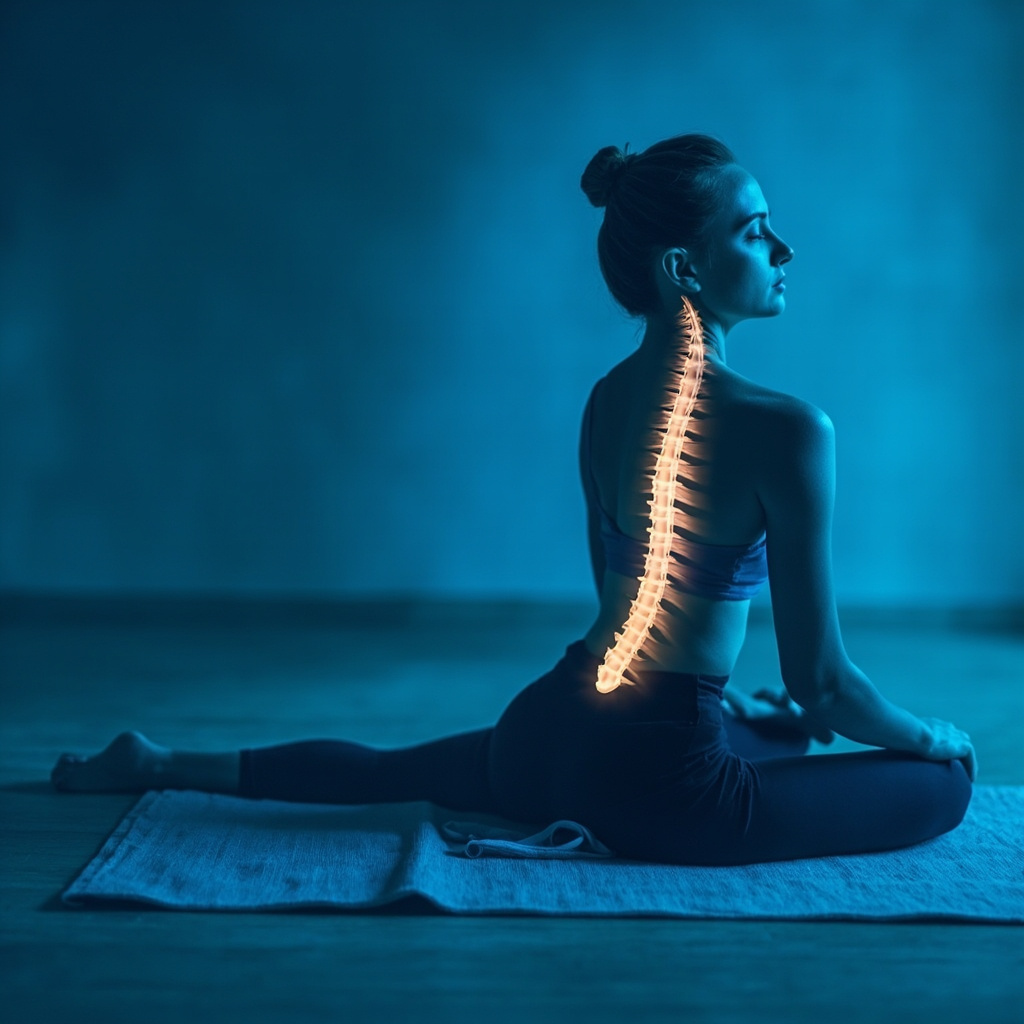
The Foundation of Your Spine: L5 Vertebra
The L5 vertebra sits at the base of your lumbar spine, the lowest of the five vertebrae in your lower back. It bears much of your body's weight, connecting the upper spine to the sacrum and pelvis. This key structure enables bending, twisting, and everyday movements while maintaining upright posture. When balanced, L5 promotes smooth mobility and spinal alignment. Imbalances here often lead to lower back discomfort, leg weakness, or sciatica-like sensations that limit activity.
For more details, see our glossary entry on L5.
Emotional Ties to L5
Beyond the physical, L5 reflects deeper feelings. It links to sensations of insecurity, lack of support, or carrying heavy emotional loads – like financial worries or overwhelming duties. You might feel unsteady in life, struggling to stand firm or assert your place. Pain or tension in this area can signal a need to release these burdens, fostering a grounded sense of stability.
When strong, L5 acts as a resource for resilience. It bolsters posture, eases back strain, improves movement, and nurtures emotional security. Yoga helps activate this support, harmonizing body and mind.
Why Yoga for L5?
Yoga gently strengthens the muscles around L5, enhances flexibility, and calms the nervous system. Poses target the lower back, hips, and core, reducing pressure on the spine. Breathing practices lower stress, which often tightens this area. Recent research supports this: a Cleveland Clinic study found virtual yoga reduced chronic low back pain when added to routine care.
Regular practice builds core stability, improves posture, and addresses emotional roots, leading to lasting relief.
Key Yoga Poses for L5 Strength
Incorporate these into a 15-20 minute daily routine. Move slowly, breathe deeply, and stop if discomfort arises. Use a mat for comfort.
1. Bridge Pose (Setu Bandhasana)
Lie on your back, knees bent, feet hip-width apart. Press feet down, lift hips toward the ceiling. Squeeze glutes and core. Hold 5-10 breaths. This strengthens the lower back and glutes, stabilizing L5.
2. Cat-Cow Pose (Marjaryasana-Bitilasana)
On all fours, inhale to arch the back (Cow), exhale to round it (Cat). Flow 8-10 times. Warms the spine, releases tension around L5, and improves flexibility.
3. Child's Pose (Balasana)
Kneel, sit back on heels, fold forward with arms extended. Rest forehead down, breathe deeply for 1-2 minutes. Gently stretches the lower back, promoting relaxation and emotional release.
4. Low Lunge (Anjaneyasana)
Step one foot forward into a lunge, back knee down. Lift chest, hands overhead. Switch sides, hold 5 breaths each. Opens hips, easing L5 pressure and building balance.
5. Supine Twist
Lie on back, hug one knee to chest, guide it across body with opposite hand. Extend other arm out. Hold 30 seconds per side. Releases lower back tightness and calms the mind.
Breathing for L5 Balance
Pair poses with Nadi Shodhana (alternate nostril breathing): Close right nostril, inhale left; close left, exhale right. Repeat 5 rounds. This activates the parasympathetic system, reducing stress that burdens L5.
Building Long-Term Stability
Practice 3-5 times weekly. Notice improvements in posture, reduced pain, and greater emotional steadiness. Track how your lower back feels after sessions – lighter, more supported. For personalization, consider biomarkers like HRV or stress levels to tailor intensity: energizing flows for low vitality, restorative holds for high tension.
Yoga invites you to embody strength from within, turning L5 into a pillar of well-being. Start today for a stronger foundation.
- 1. int.livhospital.com
- 2. healthline.com
- 3. jasonyoga.com
- 4. thespinefoundation.org
- 5. youtube.com
- 6. yogaformountainbikers.com
- 7. medschool.umaryland.edu
- 8. pmc.ncbi.nlm.nih.gov
- 9. onepeloton.com
- 10. consultqd.clevelandclinic.org
- 11. youtube.com
- 12. facebook.com
- 13. facebook.com
- 14. frontiersin.org
- 15. nebraskaspinehospital.com
- 16. instagram.com
- 17. spinehealth.org
- 18. kstp.com
- 19. compspinecare.com
- 20. spinedoctors.md
- 21. tiktok.com
- 22. facebook.com
- 23. facebook.com
- 24. yogajournal.com
- 25. instagram.com
- 26. jamanetwork.com
- 27. instagram.com
- 28. health.harvard.edu
- 29. youtube.com
- 30. everydayhealth.com
- 31. premiaspine.com
- 32. facebook.com
- 33. 7chakracolors.com
- 34. iyengar-yoga.org.nz
- 35. spinehealth.org
- 36. nytimes.com
- 37. pmc.ncbi.nlm.nih.gov
- 38. tiktok.com
Related posts
Glossary
- Energy and mind Structures > Structure
- Energy and mind Structures > Security
- Body zones > muscles
- Body zones > parasympathetic
- Body zones > L5
- Body zones > Vertebrae
- Body zones > chest
- TCM Recipes > Chronic Low Back Pain: Relief for Stiffness & Spasms
- TCM Recipes > Back Pain Relief: Easy Remedies for Sciatica & Stiffness
- Energy and mind Structures > vitality
- Energy and mind Structures > movement
- Energy and mind Structures > Stress
- Stimuli > Moon - Nasal Passage, Breathing, Taste
- Stimuli > Pain
- Binaural beats > Foundation of Security: Enhance Serenity and Well-Being
- Binaural beats > Nervous System: A Program for Emotional Balance and Relaxation
- Stimuli > Lead
see also...
- Energy and mind Structures > HRV
- Energy and mind Structures > Body zones > substantia nigra
- Energy and mind Structures > TCM Recipes > Back Pain Relief: Easy Remedies for Sciatica & Stiffness
- Testimonials > 61% Drop in Nausea and 58% in Headaches from Sound Therapy
- Binaural beats > Stimuli > Sacral, Zinc Etc
- Binaural beats > Transmutation: A Sound Journey for Personal Change